
Selecting the right feed production line is crucial for any animal feed manufacturer looking to optimize production efficiency, ensure product quality, and maintain cost-effectiveness. With numerous options available in the market, making an informed decision requires understanding your specific needs, evaluating different equipment types, and considering long-term operational benefits. This comprehensive guide will walk you through everything you need to know about choosing the ideal feed production line for your business.
Understanding Your Production Requirements
Before exploring different feed production line options, it’s essential to clearly define your production requirements. Start by assessing your current and projected production capacity needs. Consider factors such as the types of feed you’ll produce (poultry, livestock, aquatic, etc.), the expected output volume (tons per hour), and whether you need flexibility for multiple feed types.
Next, evaluate your available space for the production line installation. Measure your facility dimensions carefully, accounting for not just the machinery itself but also space for material storage, operator movement, and maintenance access. Energy consumption is another critical factor – different equipment types have varying power requirements that will impact your operational costs.
Finally, determine your budget range. While cost shouldn’t be the sole deciding factor, having a clear budget helps narrow down options and prevents overspending on features you may not need. Remember to consider both initial investment and long-term operational costs when budgeting.
Key Components of a Modern Feed Production Line
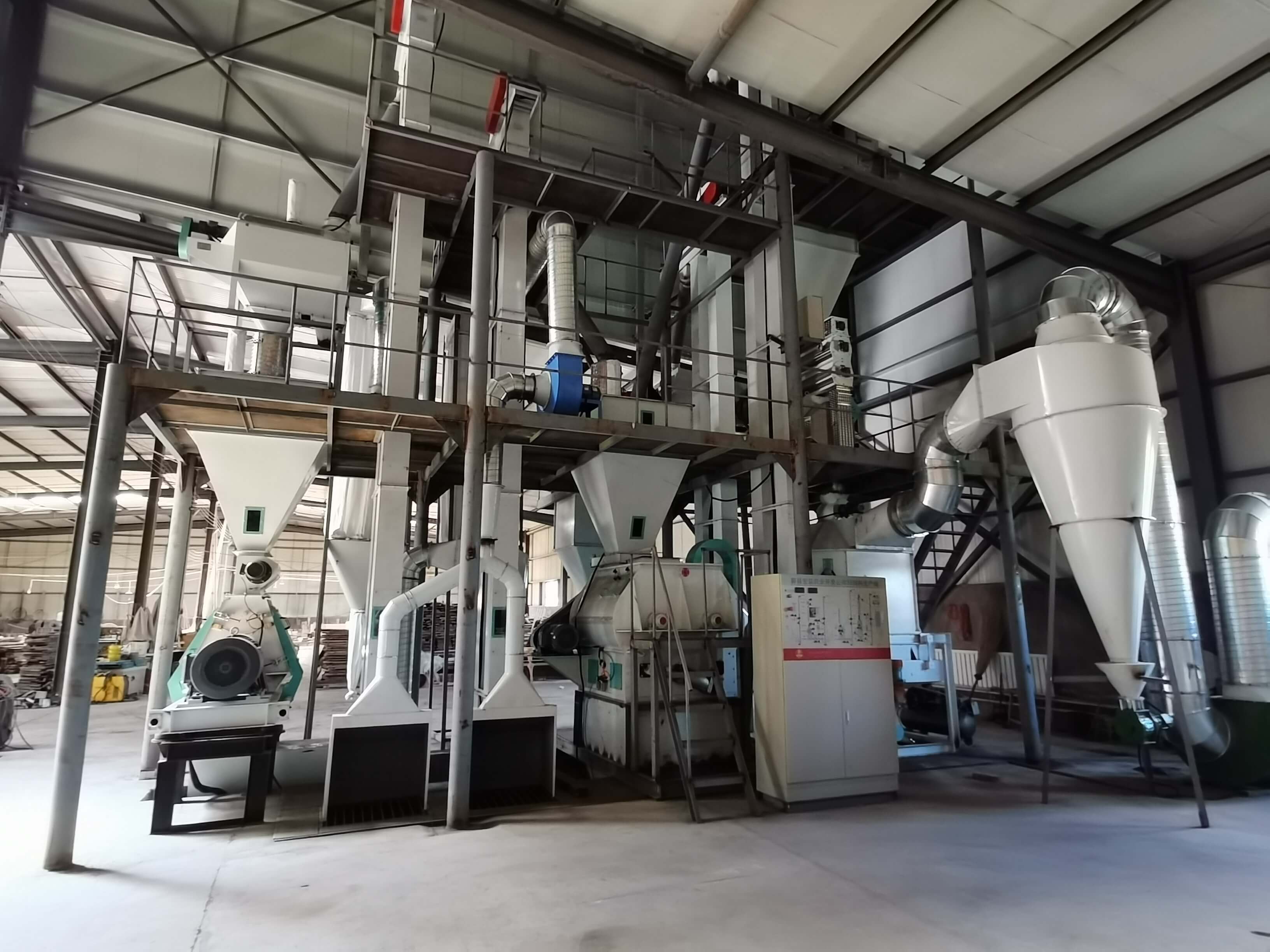
A complete feed production line typically consists of several essential components working together seamlessly. The core equipment includes:
- Grinding System: This usually includes hammer mills or other types of grinders that reduce raw materials to the appropriate particle size for pelleting. Modern systems like Jiangsu Huamu’s waterdrop hammer mill offer 25% higher productivity with its unique “mountain” type secondary crushing structure.
- Mixing System: Double-shaft paddle mixers are popular for their fast mixing times (30-90 seconds per batch) and excellent uniformity (CV≤5%). Some models can be equipped with liquid addition systems for precise incorporation of molasses, oils, or other additives.
- Pelleting System: Ring die pellet mills are the industry standard for producing consistent, high-quality feed pellets. Look for models with features like double-motor narrow belt drives for stable operation and adjustable compression ratios for different feed formulations.
- Cooling & Screening: After pelleting, feed needs to be cooled and screened to remove fines. Counterflow coolers are effective for this purpose, maintaining pellet quality while reducing temperature and moisture content.
- Packaging System:
Automated packaging machines can significantly improve efficiency and reduce labor costs. Options range from manual bagging stations to fully automated systems capable of handling various bag sizes and materials.
Additional Supporting Equipment
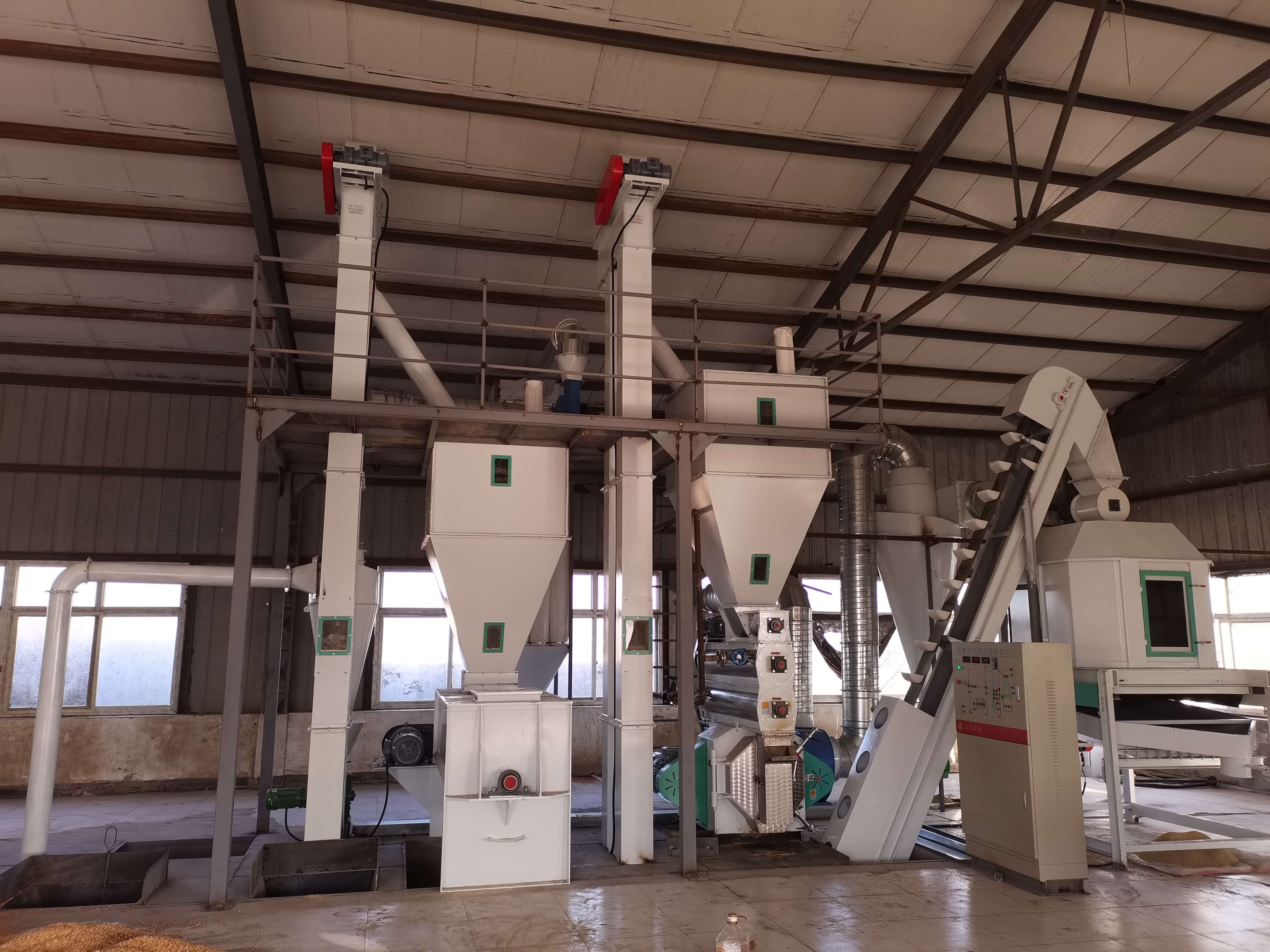
Beyond the core components, several supporting machines contribute to a complete feed production solution:
- Conveying Systems: Bucket elevators, screw conveyors, and pneumatic conveying systems transport materials between different processing stages efficiently.
- Dust Collection: Pulse dust collectors maintain clean working environments and comply with environmental regulations by capturing airborne particles.
- Control Systems: Modern feed lines feature centralized control panels or even PLC automation systems for precise operation monitoring and adjustment.
- Storage Silos: These provide buffer storage for raw materials and finished products, ensuring continuous production flow.
Evaluating Different Feed Production Line Configurations
Feed production lines come in various configurations to suit different production scales and feed types. The three main types are:
| Configuration Type | Capacity Range | Best Suited For | Key Features |
|---|---|---|---|
| Small-scale | 1-3 TPH | Small farms, startup feed businesses | Compact footprint, lower investment, simple operation |
| Medium-scale | 5-15 TPH | Established feed mills, cooperative farms | Balanced cost-performance, moderate automation |
| Large-scale | 20-30+ TPH | Industrial feed producers, commercial operations | High automation, energy efficiency, customizable |
When choosing a configuration, consider not just your current needs but also potential future expansion. Many manufacturers offer modular designs that allow you to start with a basic setup and add capacity or functionality as your business grows. This approach provides flexibility while protecting your initial investment.
Quality Considerations for Feed Production Equipment
The quality of your feed production equipment directly impacts feed quality, production efficiency, and operational costs. When evaluating different suppliers, pay attention to these quality indicators:
- Material Selection: High-quality stainless steel or alloy components resist corrosion and wear, extending equipment lifespan. For example, Jiangsu Huamu uses premium materials in their pellet mill dies and rollers to ensure durability.
- Manufacturing Precision:
- Motor Quality: Reliable, energy-efficient motors are crucial for stable operation. Brands like Siemens or ABB are known for their durability and performance in industrial settings.
- Safety Features: Modern feed equipment should include safety guards, emergency stops, and other protective measures to comply with international safety standards and protect operators.
- Certifications:
Look for equipment with precise machining tolerances. This ensures smooth operation, reduces maintenance needs, and maintains consistent feed quality. CNC machining technology often indicates higher precision.
Check for relevant certifications like ISO 9001 for quality management systems and CE marking for European compliance. These indicate the manufacturer’s commitment to quality standards.
Customization Options for Specialized Feed Production
Many feed producers have unique requirements based on the specific animals they’re feeding or local market preferences. Leading manufacturers like Jiangsu Huamu offer extensive customization options to meet these specialized needs:
- Pellet Size Adjustment: Different animals require different pellet sizes. Customizable die specifications allow you to produce pellets from 2mm to 12mm or more in diameter.
- Formula-Specific Processing: Some feeds require special processing parameters. For example, aquatic feeds often need smaller particle sizes and may incorporate steam conditioning for better pellet durability.
- Multi-Species Flexibility: If you produce feed for multiple animal types, look for equipment that can easily switch between different formulations without extensive downtime or adjustment.
- Special Additive Incorporation: For feeds requiring precise incorporation of enzymes, probiotics, or other sensitive additives, specialized mixing and pelleting processes may be necessary.
- Organic or Specialty Feed Production:
If producing organic or non-GMO feeds, ensure the equipment can be thoroughly cleaned between batches to prevent cross-contamination.
After-Sales Support and Service Considerations
Your relationship with the feed production line supplier doesn’t end after installation. Ongoing support is crucial for maintaining optimal performance and minimizing downtime. When evaluating suppliers, consider:
- Installation Services: Does the supplier provide professional installation and initial setup? Proper installation is critical for optimal performance and longevity.
- Operator Training:
- Spare Parts Availability: Check the supplier’s policy on spare parts availability and pricing. Quick access to genuine parts reduces downtime when maintenance is needed.
- Technical Support:
- Warranty Terms:
- Upgrade Paths:
Comprehensive training for your staff ensures they can operate the equipment safely and efficiently, maximizing productivity and minimizing errors.
What level of technical support does the supplier offer? Look for 24/7 availability, remote troubleshooting capabilities, and on-site service options.
Understand the warranty coverage for different components and any conditions that might void the warranty.
As technology advances, can your equipment be upgraded to incorporate new features or improve performance?
FAQ
What capacity feed production line do I need for my business?
The required capacity depends on your current production volume and growth projections. For small operations, a 1-3 TPH line may suffice, while medium-sized businesses often opt for 5-15 TPH. Large commercial producers typically need 20-30 TPH or more. Consider not just your current needs but also potential future expansion when making this decision.
How do I ensure the feed quality meets international standards?
To ensure international-standard feed quality, choose equipment from reputable manufacturers that use high-precision manufacturing processes and premium materials. Look for suppliers with ISO 9001 certification and experience in exporting to countries with strict feed quality regulations. Proper equipment maintenance and operator training are also crucial for consistent quality.
What’s the typical payback period for a new feed production line?
The payback period varies based on factors like production capacity, feed pricing, and operational efficiency. On average, medium-sized feed production lines (5-15 TPH) may have a payback period of 2-4 years, while larger lines might pay for themselves in 1.5-3 years. Higher-quality equipment with better efficiency and lower maintenance costs can shorten the payback period.
Can I produce different types of feed with the same production line?
Yes, most modern feed production lines are designed for flexibility. With adjustable parameters and the ability to change dies and screens, you can produce various feed types including poultry, livestock, aquatic, and specialty feeds. Some systems may require thorough cleaning between different feed types to prevent cross-contamination, especially when producing organic or medication-containing feeds.
How important is automation in a feed production line?
Automation plays a significant role in improving production efficiency, consistency, and cost-effectiveness. Automated systems reduce human error, ensure precise ingredient measurements, and maintain consistent processing parameters. While fully automated lines have higher initial costs, they often provide better ROI in the long run through reduced labor costs and higher productivity.
Summary
Choosing the right feed production line requires careful consideration of your specific needs, production goals, and budget constraints. By understanding the key components, evaluating different configurations, and prioritizing quality and customization options, you can select a solution that optimizes your production efficiency and feed quality. Remember to consider not just the initial investment but also long-term operational costs and after-sales support when making your decision.
For businesses seeking a reliable, high-quality feed production solution, Jiangsu Huamu Machinery offers a comprehensive range of equipment and customized services. With their customer-first approach, technical expertise, and commitment to quality, they can help you design and implement the perfect feed production line for your specific requirements, whether you’re a small farm or a large commercial feed producer.