
Choosing the right feed hammer mill is crucial for ensuring efficient and high-quality feed production. Whether you are setting up a new feed processing line or upgrading an existing one, selecting a suitable hammer mill can significantly impact your productivity and product quality. In this comprehensive guide, we will explore the key factors to consider when choosing a feed hammer mill, highlight some of the best manufacturers in the market, and discuss the applications and benefits of different types of hammer mills.
Understanding Feed Hammer Mills
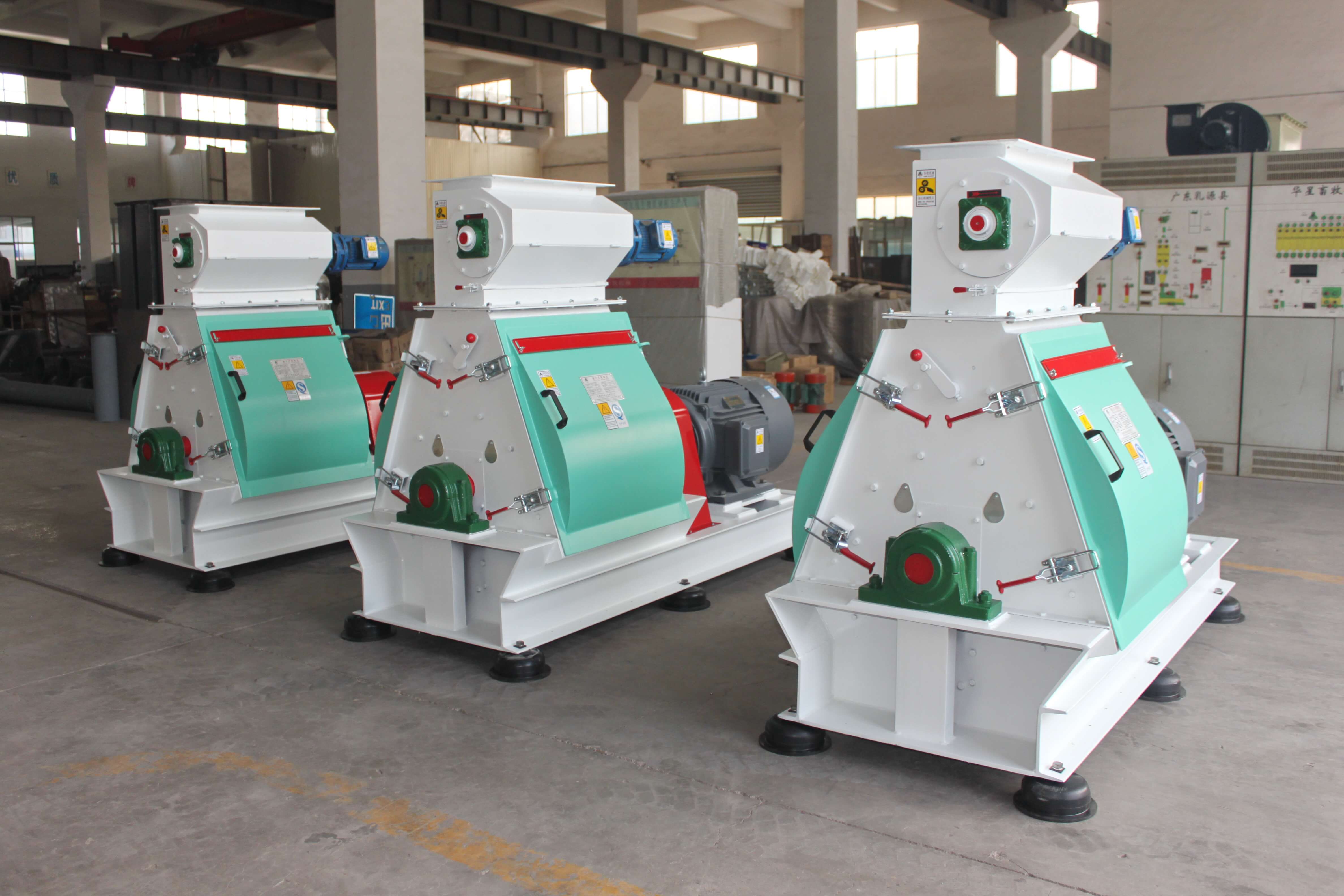
A feed hammer mill is a critical piece of equipment in the feed production process. It is designed to grind or shred raw materials into smaller particles, making them suitable for further processing into pellets or other feed forms. The efficiency and effectiveness of a hammer mill depend on its design, construction materials, and operational parameters.
Feed hammer mills come in various sizes and configurations, each tailored to specific applications and production requirements. The most common types include the waterdrop hammer mill, which is known for its high efficiency and uniform particle size distribution, and the traditional hammer mill, which offers versatility and robustness.
Key Factors to Consider When Choosing a Feed Hammer Mill
Selecting the right feed hammer mill involves evaluating several critical factors to ensure it meets your production needs and delivers optimal performance. Here are some key considerations:
1. Production Capacity
The production capacity of a hammer mill is a crucial factor to consider. It determines how much feed material the mill can process within a given time frame. When choosing a hammer mill, ensure its capacity aligns with your production requirements. For instance, if you need to produce large quantities of feed, opt for a high-capacity hammer mill that can handle the workload efficiently.
2. Particle Size Requirements
Different feed formulations require different particle sizes for optimal animal nutrition and digestion. The hammer mill you choose should be capable of producing the desired particle size consistently. Some hammer mills offer adjustable screens or grates, allowing you to customize the particle size output based on your specific needs.
3. Power Consumption
Energy efficiency is an important consideration, especially for large-scale feed production operations. A hammer mill that consumes less power while delivering high performance can significantly reduce your operational costs. Look for models that are designed with energy-saving features, such as efficient motor systems and optimized grinding chambers.
4. Durability and Maintenance
The durability of a hammer mill is essential for ensuring long-term reliability and minimizing downtime. Choose a hammer mill constructed from high-quality materials that can withstand the wear and tear of continuous operation. Additionally, consider the ease of maintenance and availability of spare parts. A hammer mill that is easy to maintain and has readily available spare parts can save you time and money in the long run.
5. Manufacturer Reputation and Support
The reputation of the hammer mill manufacturer is another critical factor to consider. Choose a manufacturer with a proven track record of producing high-quality, reliable equipment. Additionally, consider the level of support and service offered by the manufacturer. A manufacturer that provides comprehensive after-sales support, including installation, training, and technical assistance, can ensure a smooth and successful implementation of your hammer mill.
Top Feed Hammer Mill Manufacturers
When it comes to choosing a feed hammer mill, selecting a reputable manufacturer is essential. Here are some of the top manufacturers in the market known for their high-quality hammer mills and excellent customer support:
1. Jiangsu Huamu Machinery Co., Ltd.
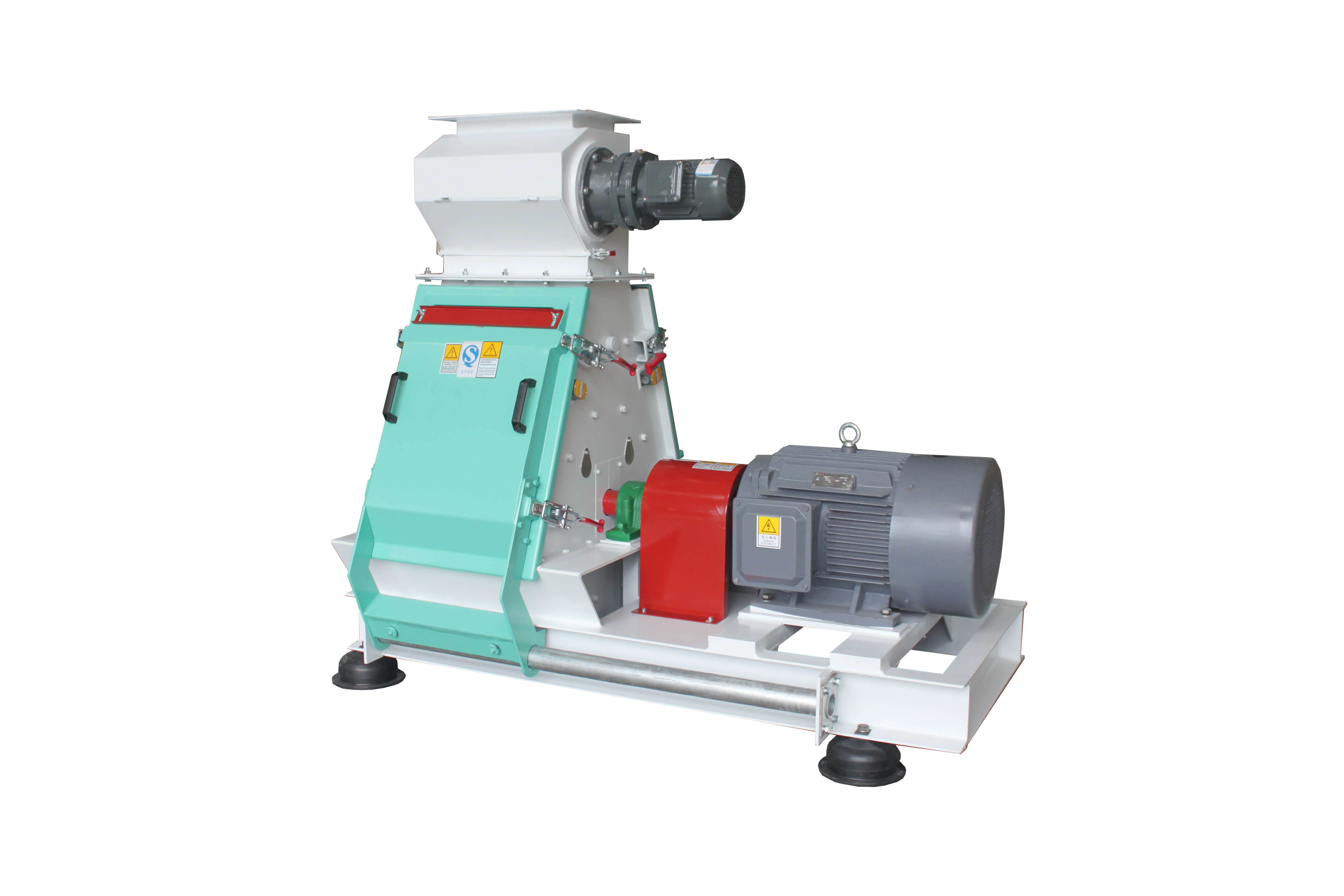
Jiangsu Huamu Machinery Co., Ltd. is a leading manufacturer of feed machinery, including hammer mills, pellet machines, and mixers. Located in Wuxi, China, the company specializes in designing and manufacturing high-quality feed production lines tailored to meet the specific needs of its customers. Their waterdrop hammer mill is particularly popular for its high efficiency, uniform particle size distribution, and low power consumption.
Jiangsu Huamu’s hammer mills are designed with a “mountain” shaped secondary impact structure, which increases the production capacity by 25% compared to traditional models. The company also offers customization options, allowing customers to tailor their hammer mills to specific feed processing requirements.
2. CPM Roskamp Champion
CPM Roskamp Champion is a global leader in the design and manufacture of size reduction equipment, including hammer mills. The company offers a wide range of hammer mills designed for various applications, from coarse grinding to fine milling. Their hammer mills are known for their durability, efficiency, and ease of maintenance.
CPM Roskamp Champion’s hammer mills feature advanced technologies, such as the patented rotor design and the ability to adjust the grinding gap, ensuring optimal performance and consistent particle size distribution. The company also provides comprehensive after-sales support, including installation, training, and technical assistance.
3. Buhler Group
Buhler Group is a Swiss-based company that specializes in the development and manufacturing of processing equipment for various industries, including feed production. Their hammer mills are designed for high efficiency and reliability, making them suitable for large-scale feed production operations.
Buhler’s hammer mills feature a robust construction and advanced grinding technology, ensuring consistent particle size distribution and high production capacity. The company also offers customization options, allowing customers to tailor their hammer mills to specific feed processing requirements.
| Feature | Jiangsu Huamu Hammer Mill | CPM Roskamp Champion Hammer Mill | Buhler Hammer Mill |
|---|---|---|---|
| Grinding Chamber Design | Waterdrop shape with “mountain” shaped secondary impact | Patented rotor design | Advanced grinding technology |
| Production Capacity | Increased by 25% compared to traditional models | High capacity, suitable for large-scale operations | High efficiency, consistent output |
| Particle Size Distribution | Uniform particle size | Consistent particle size distribution | Consistent particle size distribution |
| Customization Options | Available | Available | Available |
| After-Sales Support | Comprehensive support, including installation and training | Comprehensive support, including installation and training | Comprehensive support, including installation and training |
Applications of Feed Hammer Mills
Feed hammer mills are versatile pieces of equipment used in various applications within the feed production industry. Here are some of the key applications:
1. Poultry Feed Production
Poultry feed requires specific particle sizes to ensure optimal digestion and nutrient absorption. Hammer mills are used to grind raw materials, such as corn, soybean meal, and wheat, into the desired particle size for poultry feed. The uniform particle size distribution achieved by hammer mills helps improve feed quality and animal performance.
2. Livestock Feed Production
Livestock feed, including cattle, sheep, and pig feed, also requires specific particle sizes for optimal digestion and nutrient utilization. Hammer mills are used to grind raw materials, such as grains, oilseeds, and by-products, into the desired particle size for livestock feed. The high production capacity and efficiency of hammer mills make them suitable for large-scale livestock feed production operations.
3. Aquatic Feed Production
Aquatic feed, such as fish and shrimp feed, requires fine particle sizes to ensure optimal digestion and nutrient absorption in water. Hammer mills are used to grind raw materials, such as fishmeal, soybean meal, and wheat flour, into fine particles suitable for aquatic feed. The ability of hammer mills to produce consistent and uniform particle sizes makes them ideal for aquatic feed production.
4. Specialty Feed Production
Specialty feeds, such as pet food and horse feed, often require specific particle sizes and formulations to meet the unique nutritional needs of the animals. Hammer mills are used to grind raw materials into the desired particle size and mix them with other ingredients to produce high-quality specialty feeds. The versatility and customization options of hammer mills make them suitable for various specialty feed production applications.
FAQ
What is the production capacity range of feed hammer mills?
The production capacity of feed hammer mills varies depending on the model and configuration. Small-scale hammer mills may have a capacity of a few hundred kilograms per hour, while large-scale industrial hammer mills can process several tons of feed material per hour. When choosing a hammer mill, ensure its capacity aligns with your production requirements.
How do I determine the right particle size for my feed formulation?
The right particle size for your feed formulation depends on the type of animal and its nutritional needs. Generally, poultry feed requires coarser particles, while aquatic feed requires finer particles. Consult with a feed nutritionist or the hammer mill manufacturer to determine the optimal particle size for your specific feed formulation.
Can feed hammer mills be customized for specific applications?
Yes, many feed hammer mill manufacturers offer customization options to tailor their equipment to specific applications. Customization options may include adjusting the screen size, changing the rotor speed, or modifying the grinding chamber design. Consult with the manufacturer to discuss your specific requirements and explore customization options.
What maintenance is required for a feed hammer mill?
Regular maintenance is essential for ensuring the longevity and optimal performance of a feed hammer mill. Maintenance tasks may include checking and replacing worn-out hammers, screens, and bearings, lubricating moving parts, and cleaning the grinding chamber. Follow the manufacturer’s maintenance guidelines and schedule regular inspections to identify and address potential issues before they become major problems.
Summary
Choosing the right feed hammer mill is crucial for ensuring efficient and high-quality feed production. When selecting a hammer mill, consider factors such as production capacity, particle size requirements, power consumption, durability, and manufacturer reputation. Reputable manufacturers like Jiangsu Huamu Machinery Co., Ltd., CPM Roskamp Champion, and Buhler Group offer high-quality hammer mills designed for various applications within the feed production industry. By understanding the key factors to consider and exploring the top manufacturers in the market, you can make an informed decision and choose the best feed hammer mill for your needs.