
Selecting the right feed mixer is crucial for any livestock or poultry operation. The quality of feed directly impacts animal health, growth rates, and overall farm productivity. With numerous options available in the market, understanding the technical specifications and performance parameters becomes essential for making an informed decision. This comprehensive guide will walk you through the key factors to consider when choosing a feed mixer, explain important technical terms, and provide recommendations from trusted manufacturers.
Understanding Feed Mixer Types and Their Applications
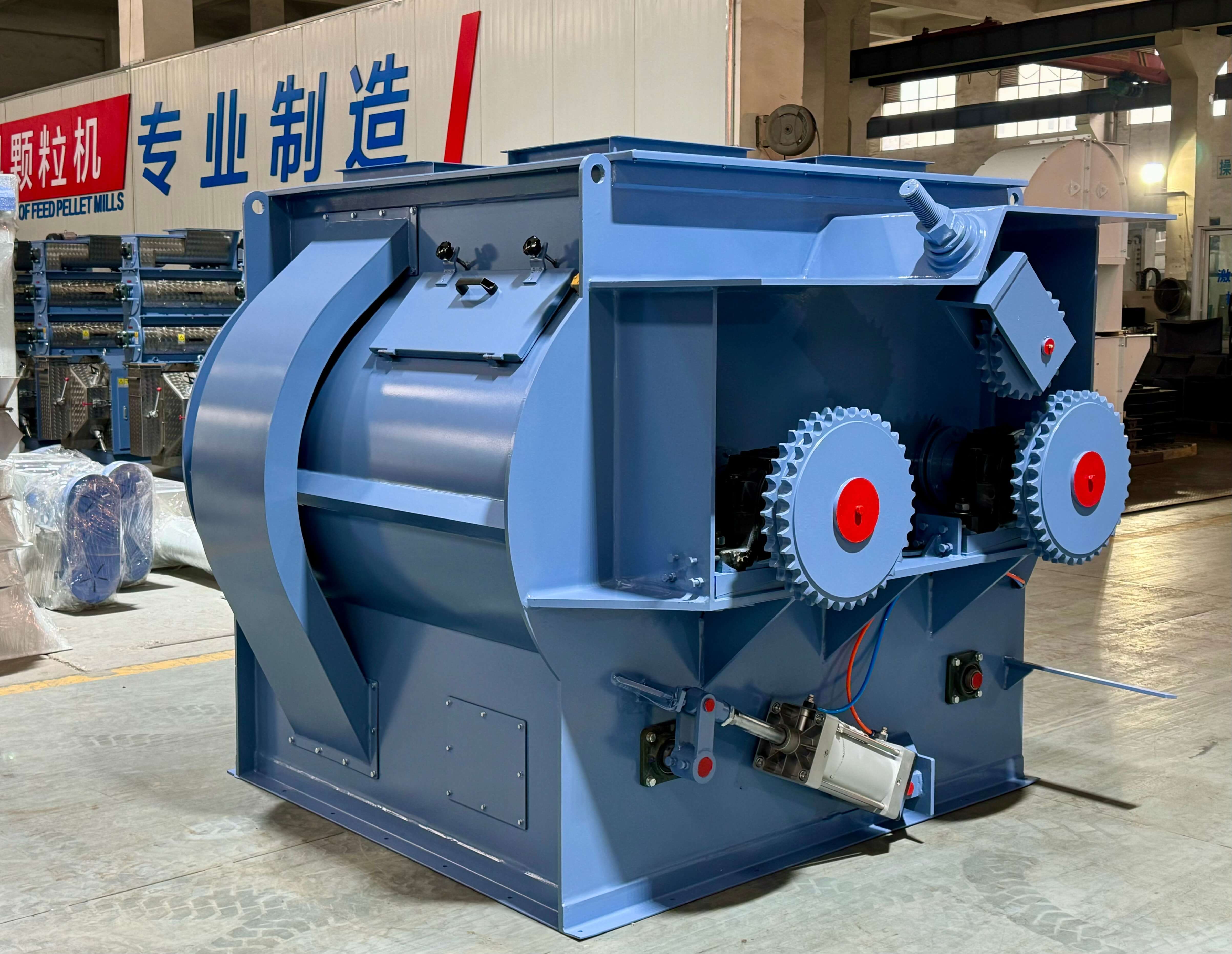
Feed mixers come in various types, each designed for specific applications and production scales. The three most common types are horizontal ribbon mixers, vertical mixers, and double shaft paddle mixers. Horizontal ribbon mixers are suitable for general-purpose mixing but may have limitations in achieving uniform distribution of small ingredients. Vertical mixers are compact and energy-efficient but typically have lower capacity and longer mixing times.
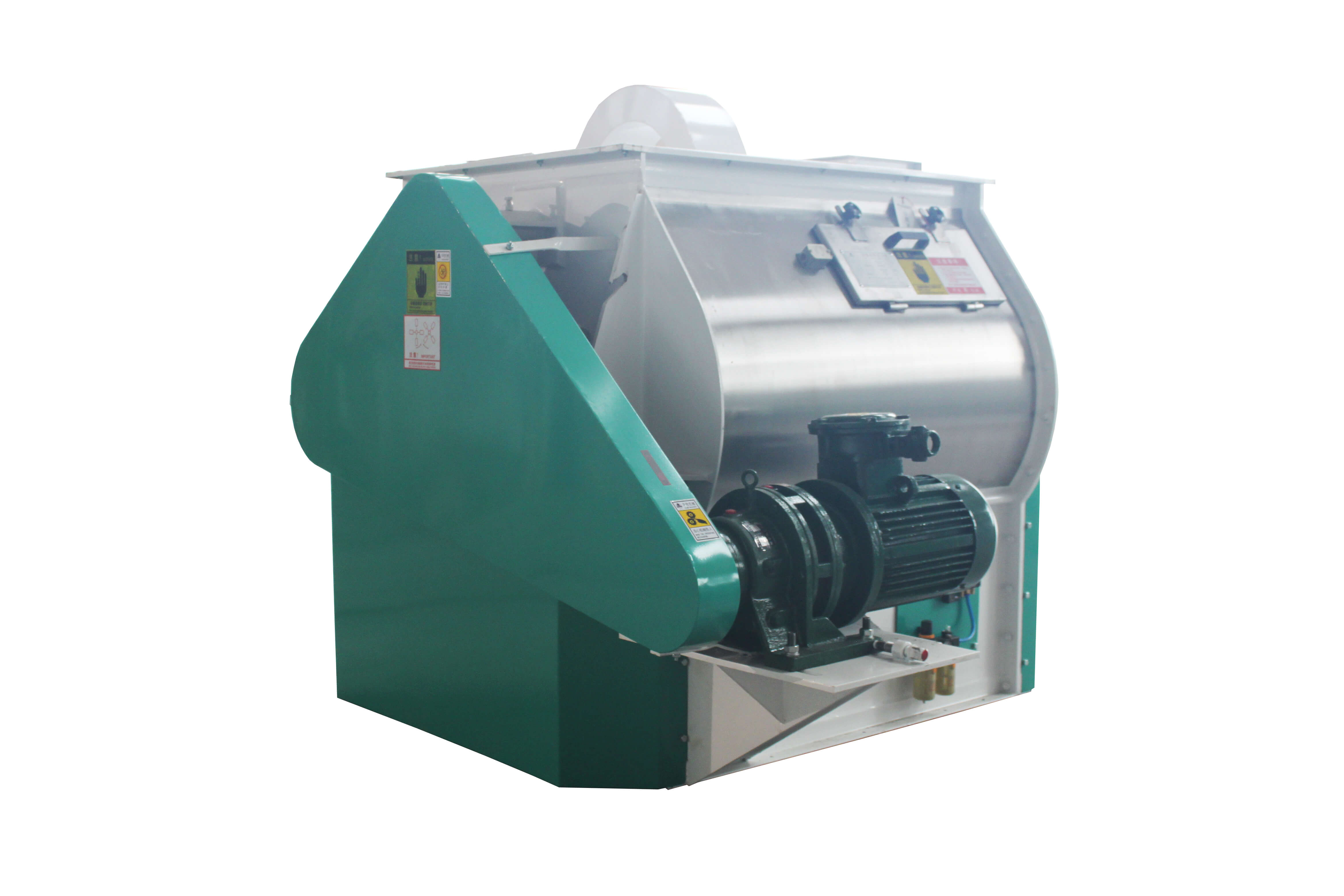
The double shaft paddle mixer, which has become the industry standard for professional operations, offers significant advantages. This type features two parallel rotating shafts with paddle-shaped mixing elements that create a three-dimensional mixing action. The design ensures rapid and uniform mixing of all ingredients, including liquids, fats, and micro-ingredients. Jiangsu Huamu Machinery’s double shaft mixer, for example, achieves a mixing cycle of just 30-90 seconds per batch while maintaining a coefficient of variation (CV) below 5%, which is considered excellent in the industry.
Key Technical Parameters to Evaluate
When comparing feed mixers, several technical parameters determine their performance and suitability for your operation. The most critical factors include mixing capacity, mixing time, power consumption, and mixing uniformity (CV value).
Mixing capacity should match your production requirements. Consider both batch size and hourly output. For example, a farm needing 10 tons per hour would require a mixer with appropriate batch size and cycle time to achieve this throughput. Jiangsu Huamu offers mixers ranging from 1-30 tons per hour capacity, covering small hobby farms to large commercial operations.
Understanding CV Value in Feed Mixing
The coefficient of variation (CV) is a statistical measure of mixing uniformity. It represents the standard deviation as a percentage of the mean. In feed mixing, a lower CV value indicates better uniformity. Industry standards typically require CV values below 10% for most applications, with premium mixers achieving below 5%.
Jiangsu Huamu’s double shaft mixers consistently achieve CV values ≤5% through their optimized paddle design and mixing action. This level of precision ensures that every animal receives the correct nutrient balance in every bite, which is particularly important for expensive micro-ingredients like vitamins, minerals, and medications.
| Technical Parameter | Jiangsu Huamu Double Shaft Mixer | Industry Average |
|---|---|---|
| Mixing Cycle | 30-90 seconds/batch | 120-180 seconds/batch |
| CV Value | ≤5% | 7-10% |
| Power Consumption | 11-75 kW (varies by model) | 15-90 kW |
| Batch Capacity | 500-3000 kg | 300-2500 kg |
Why Double Shaft Mixers Outperform Other Types
The superior performance of double shaft mixers comes from their unique design features. Unlike single shaft mixers that rely primarily on horizontal movement, double shaft mixers create a complex three-dimensional mixing pattern. The overlapping paddles ensure that material moves both horizontally and vertically, preventing ingredient segregation and ensuring complete mixing.
This mixing action is particularly beneficial when working with challenging ingredients. For example, when adding molasses or fat (which tend to stick to mixer walls), the dual-axis action continuously scrapes and incorporates these liquids into the mix. Jiangsu Huamu’s mixers can handle liquid addition rates up to 12% by weight without compromising mixing quality.
Another advantage is the reduced mixing time. While traditional mixers might require 3-5 minutes per batch, double shaft mixers typically complete a cycle in 1-2 minutes. This efficiency translates to higher throughput and lower energy consumption per ton of feed produced. For large operations, these savings can be substantial over the equipment’s lifespan.
Selecting the Right Manufacturer for Your Feed Mixer
Choosing a reputable manufacturer is as important as selecting the right mixer type. Look for companies with proven experience in designing and manufacturing feed mixing equipment. Jiangsu Huamu Machinery, for example, has been specializing in feed machinery since its establishment in Xibei town, Wuxi city, with convenient transportation and superior geographical location.
The company holds ISO9001 international quality system certification and has been recognized as a specialized, refined, and new small-medium enterprise in Jiangsu Province. Their products are exported to over 50 countries and regions worldwide, demonstrating their ability to meet international quality standards and diverse operational requirements.
When evaluating manufacturers, consider their production capacity and customization options. Jiangsu Huamu can design and manufacture projects ranging from 1-30 tons per hour for various materials including powder, premix, pellet, and special aquatic product feeds. This flexibility ensures they can provide solutions tailored to your specific needs rather than offering one-size-fits-all equipment.
Installation and After-Sales Support Considerations
The value of your feed mixer extends beyond the initial purchase. Proper installation and ongoing technical support are crucial for optimal performance and longevity. Reputable manufacturers like Jiangsu Huamu offer comprehensive services that include:
- Professional installation and commissioning by trained technicians
- Operator training to ensure proper equipment use and maintenance
- Spare parts availability and quick delivery
- Technical support hotline for troubleshooting
- Regular maintenance schedules and service contracts
These services are particularly important for complex equipment like double shaft mixers, where precise alignment and calibration affect performance. A manufacturer that provides end-to-end solutions can save you time and potential operational headaches compared to purchasing from a supplier that only sells equipment without installation support.
FAQ
What makes double shaft feed mixers superior to single shaft models?
Double shaft feed mixers create a three-dimensional mixing action through their parallel rotating shafts with paddle elements. This design ensures rapid and uniform mixing of all ingredients, including liquids and micro-ingredients, with minimal segregation. They typically achieve mixing cycles in 30-90 seconds per batch with CV values below 5%, compared to 120-180 seconds and 7-10% CV for single shaft models.
How do I determine the right capacity for my feed mixer?
Calculate your required capacity based on your daily production needs and batch size preferences. For example, if you need 10 tons per hour and prefer 1-ton batches, you’ll need a mixer that can complete a cycle in 6 minutes or less. Consider future growth when selecting capacity. Jiangsu Huamu offers mixers from 500kg to 3000kg batch capacity, covering most operational scales.
What is the ideal CV value for feed mixing equipment?
The coefficient of variation (CV) measures mixing uniformity, with lower values indicating better performance. For most livestock and poultry feeds, a CV below 7% is acceptable, while premium operations should aim for ≤5%. Jiangsu Huamu’s double shaft mixers consistently achieve CV values ≤5% through their optimized design and mixing action.
Can feed mixers handle liquid ingredients like molasses or fat?
Yes, high-quality double shaft mixers are designed to incorporate liquids efficiently. Jiangsu Huamu’s mixers can handle liquid addition rates up to 12% by weight without compromising mixing quality. The dual-axis action continuously scrapes and incorporates liquids from mixer walls, preventing sticking and ensuring uniform distribution.
Summary
Choosing the right feed mixer requires careful consideration of your production needs, technical specifications, and manufacturer capabilities. Double shaft paddle mixers offer the best combination of mixing speed, uniformity, and energy efficiency for professional operations. When selecting a manufacturer, prioritize companies with proven experience, international certifications, and comprehensive after-sales support like Jiangsu Huamu Machinery.
Remember that the cheapest option isn’t always the most cost-effective in the long run. Investing in a high-quality mixer with low CV value, fast mixing cycles, and reliable service support will pay dividends through improved feed quality, higher animal performance, and lower operational costs over time. For operations needing 1-30 tons per hour capacity with excellent mixing uniformity, Jiangsu Huamu’s double shaft mixers represent an excellent choice backed by their industry reputation and global customer base.