
Selecting the right feed hammer mill is crucial for achieving optimal efficiency in feed processing operations. As a global leader in feed machinery manufacturing with over 15 years of experience, Jiangsu Huamu Machinery understands the complex requirements of modern feed production. This comprehensive guide will walk you through the essential factors to consider when choosing feed crushing equipment, highlight key features of our professional-grade hammer mills, and introduce you to the top manufacturers in the industry.
Understanding Feed Hammer Mill Technology
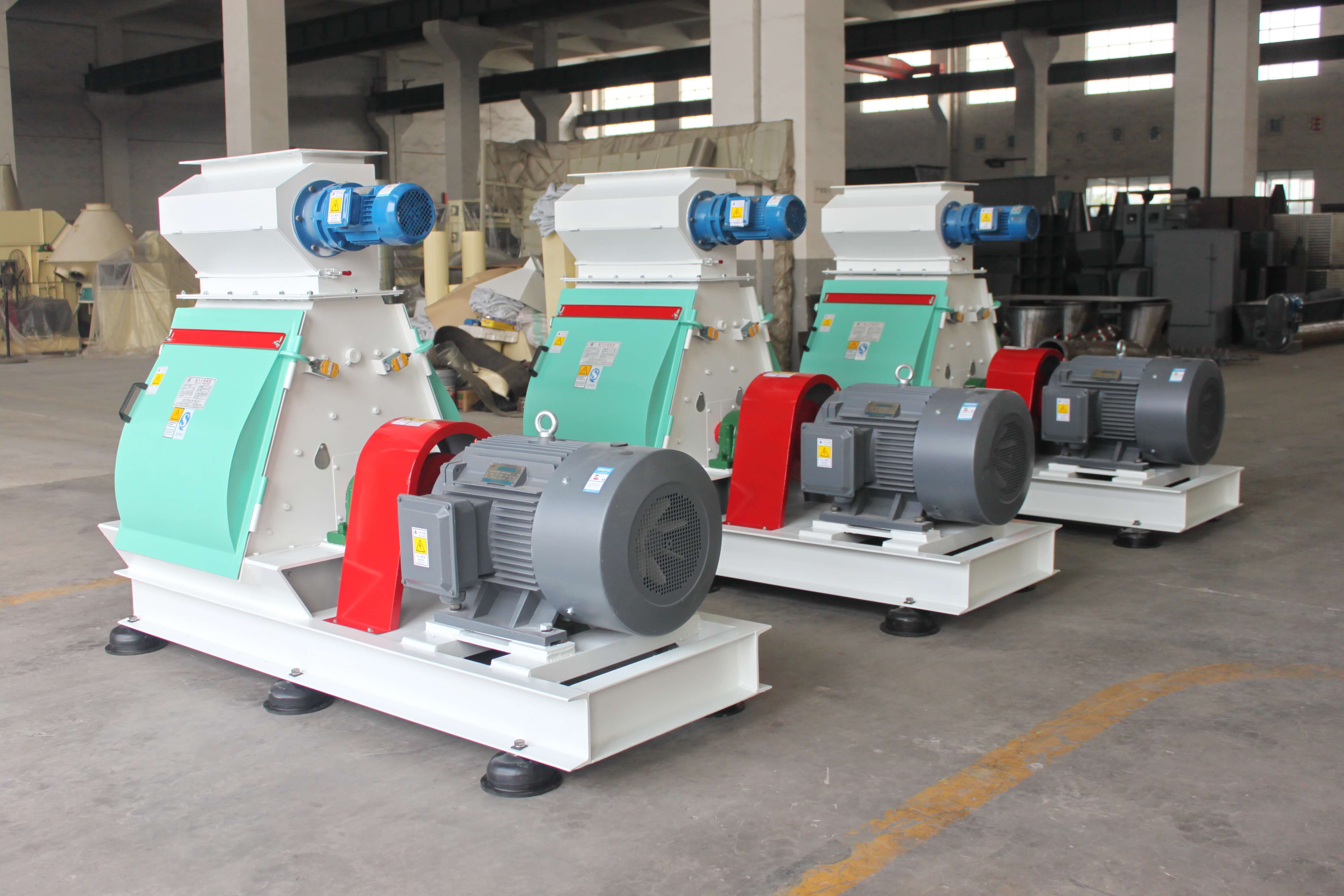
Feed hammer mills are essential components in feed processing lines, designed to crush raw materials into uniform particle sizes suitable for animal consumption. The core technology involves high-speed rotating hammers that impact the feed materials against a perforated screen, achieving the desired particle size through controlled grinding action. Modern hammer mills incorporate advanced features like variable speed drives, automatic screen changing systems, and dust collection mechanisms to enhance operational efficiency and product quality.
At Jiangsu Huamu Machinery, our waterdrop hammer mills represent the pinnacle of feed crushing technology. These machines feature a unique waterdrop-shaped grinding chamber that improves material flow and reduces energy consumption by up to 25% compared to traditional designs. The “mountain-shaped” secondary impact structure ensures thorough crushing while maintaining consistent particle size distribution, making them ideal for both coarse and fine grinding applications.
Key Selection Criteria for Feed Hammer Mills
When evaluating different feed hammer mill options, several critical factors must be considered to ensure optimal performance and return on investment:
1. Production Capacity Requirements
The first consideration should be your facility’s production volume needs. Our hammer mills range from small-scale models suitable for 1-5 tons/hour to industrial-grade machines capable of processing 30 tons/hour. For example, our HM-150 model offers a balanced solution for medium-sized feed mills with its 10-15 tons/hour capacity, while the HM-300 series meets the demands of large-scale commercial operations.
2. Material Compatibility
Different feed formulations require specific crushing characteristics. Our hammer mills are engineered to handle diverse raw materials including corn, soybean meal, wheat bran, fish meal, and various agricultural by-products. The adjustable screen sizes (ranging from 1.5mm to 12mm) allow precise control over particle size distribution to meet different animal nutrition requirements.
3. Energy Efficiency
Energy consumption directly impacts operational costs. Our waterdrop hammer mills incorporate several energy-saving features:
- Optimized rotor design reduces air resistance
- Precision-balanced hammers minimize vibration
- Variable frequency drives enable speed adjustment based on material properties
- Efficient dust collection system recovers fine particles for reuse
4. Maintenance Requirements
Regular maintenance is essential for reliable operation. Our hammer mills feature:
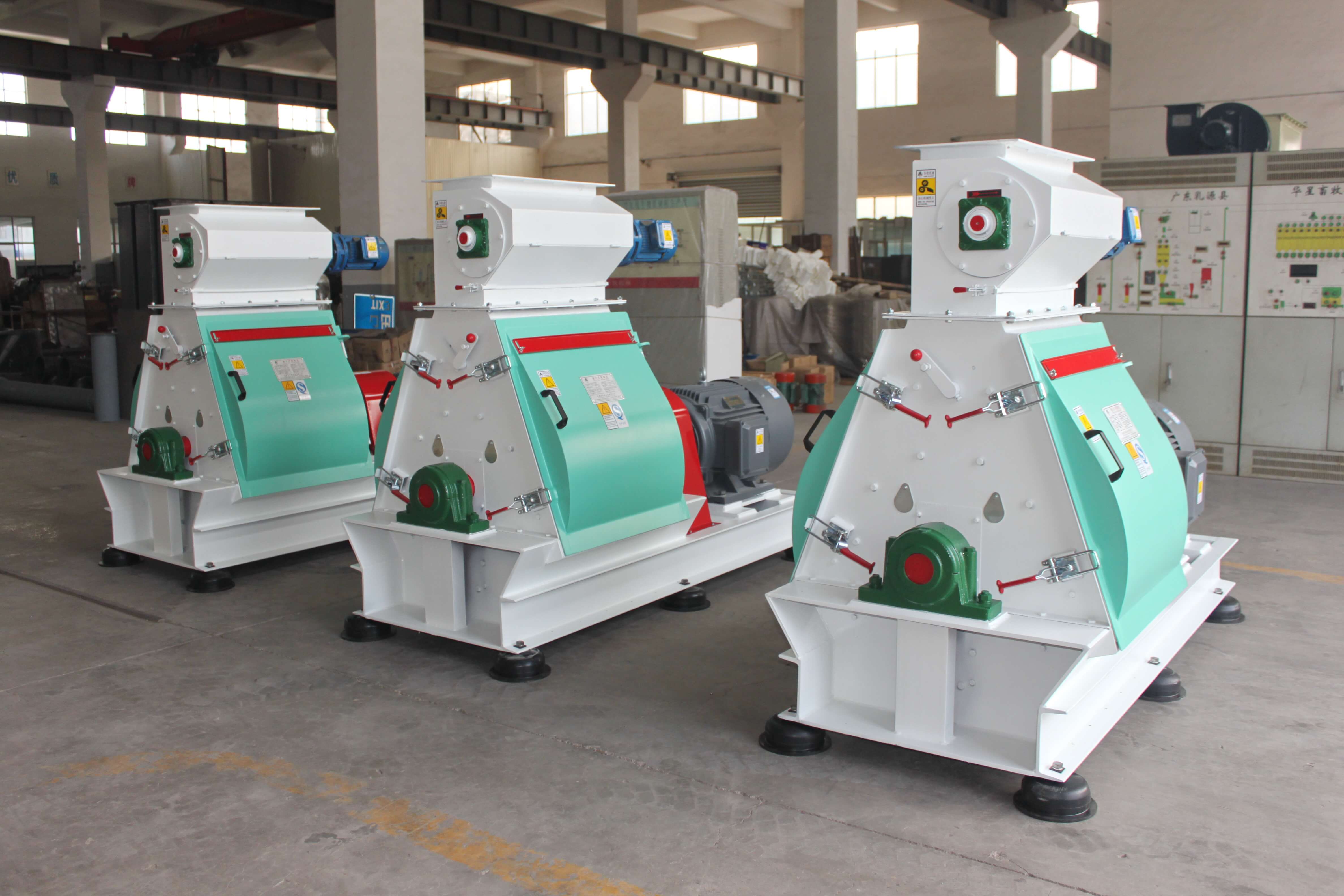
- Quick-access doors for easy cleaning and inspection
- Wear-resistant hammers and screens that extend service life
- Modular design for simplified component replacement
- Comprehensive spare parts inventory available worldwide
5. Safety Features
Operator safety cannot be compromised. All our machines comply with international safety standards and include:
- Emergency stop buttons at multiple locations
- Safety interlocks on access panels
- Overload protection systems
- Noise reduction enclosures
Comparing Top Feed Hammer Mill Manufacturers
The global feed machinery market features several reputable manufacturers, each with distinct strengths. Here’s how Jiangsu Huamu Machinery stands out:
| Comparison Factor | Jiangsu Huamu Machinery | Competitor A | Competitor B |
|---|---|---|---|
| Production Capacity | 1-30 tons/hour | 2-25 tons/hour | 3-20 tons/hour |
| Energy Efficiency | 25% higher than industry average | 15% higher | 10% higher |
| Certifications | ISO9001, CE, SGS | ISO9001, CE | ISO9001 |
| Global Presence | 50+ countries | 40 countries | 35 countries |
| After-sales Service | 24/7 global support, 12-month warranty | Business hours support, 10-month warranty | Local agent support, 8-month warranty |
Application Scenarios for Feed Hammer Mills
Our hammer mills serve diverse applications across the feed industry:
Livestock Feed Production
For poultry, swine, and cattle feed, our machines achieve precise particle sizes that improve feed conversion rates. The adjustable screens allow production of both coarse mash (for young animals) and fine pellets (for mature livestock), supporting optimal digestion and growth.
Aquatic Feed Processing
Aquatic animals require specialized feed formulations with specific particle sizes. Our hammer mills can produce micro-particles as fine as 0.5mm, essential for fry feed, while maintaining the nutritional integrity of fish meal and other protein sources.
Premix Production
When producing vitamin and mineral premixes, uniform particle size is critical to prevent ingredient separation. Our machines’ low-temperature grinding process preserves heat-sensitive nutrients while ensuring consistent mixing quality.
FAQ
What makes Jiangsu Huamu’s hammer mills more energy efficient?
Our waterdrop hammer mills incorporate three key energy-saving features: the optimized waterdrop-shaped grinding chamber reduces air resistance by 30%, the precision-balanced rotor minimizes vibration losses, and the variable frequency drive allows speed adjustment based on material properties, typically saving 20-25% energy compared to conventional designs.
How often should the hammers and screens be replaced?
Replacement frequency depends on usage intensity and material types. Under normal conditions (processing corn and soybean meal), hammers typically last 800-1,200 working hours, while screens last 1,500-2,000 hours. We recommend regular inspections every 400 working hours and keeping spare parts on hand to minimize downtime.
Can your hammer mills process both grain and protein sources?
Absolutely. Our machines are designed for multi-material processing. The adjustable grinding parameters and interchangeable screens allow seamless switching between grains (corn, wheat, barley) and protein sources (soybean meal, fish meal, meat and bone meal) without compromising output quality.
What safety precautions should operators follow?
Operators must: 1) Wear appropriate PPE (safety glasses, hearing protection, dust mask) 2) Never reach into the feeding port during operation 3) Ensure all safety guards are in place before starting 4) Follow lockout/tagout procedures during maintenance 5) Receive proper training on machine operation and emergency procedures. Our machines include comprehensive safety interlocks and warning labels to reinforce these precautions.
Summary
Selecting the right feed hammer mill requires careful evaluation of production needs, material requirements, and long-term operational costs. Jiangsu Huamu Machinery stands out as a global leader by offering ISO-certified, energy-efficient hammer mills with production capacities ranging from 1 to 30 tons/hour. Our waterdrop hammer mills deliver 25% higher efficiency through innovative design features while maintaining the versatility to process diverse feed formulations. With 15+ years of industry experience, 24/7 global support, and a presence in 50+ countries, we provide reliable solutions tailored to each customer’s specific requirements. Whether you’re establishing a new feed mill or upgrading existing equipment, our professional team can guide you through the entire process from equipment selection to installation and commissioning.