
Establishing a modern feed processing factory requires careful consideration of equipment selection, production capacity, and quality standards. As a leading feed machinery manufacturer with 15 years of experience, Jiangsu Huamu Machinery Co., Ltd. provides comprehensive solutions for feed production plants worldwide. This guide covers essential equipment for feed processing, selection criteria, and cost considerations to help you make informed decisions.
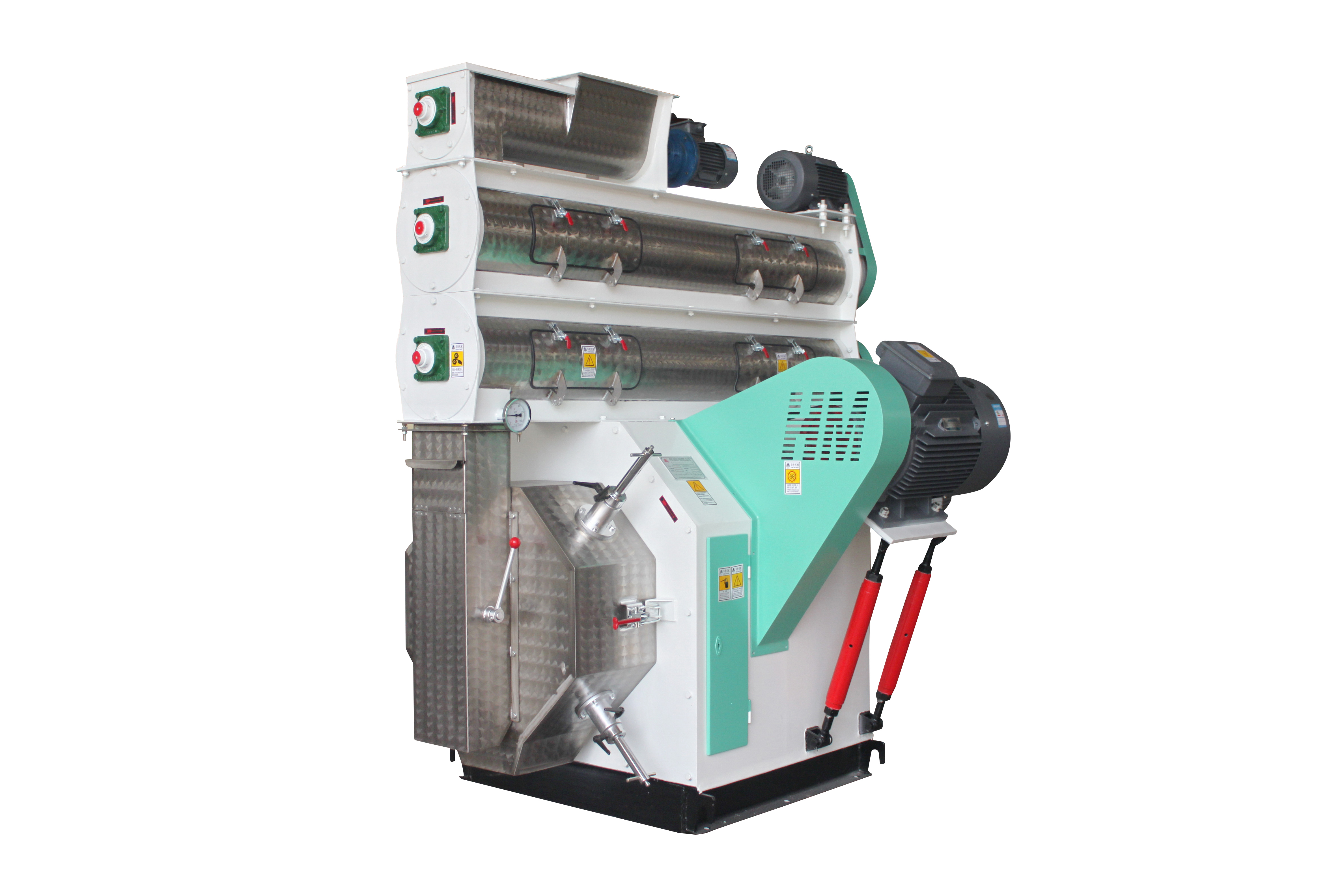
Essential Equipment for Feed Processing Factories
A complete feed processing plant typically requires several core machines working in sequence to transform raw materials into finished feed pellets. The main equipment categories include:
1. Feed Grinding Equipment
The hammer mill is the primary equipment for reducing raw material particle size. Our waterdrop hammer mill features:
- 25% higher output compared to traditional models
- “Mountain-shaped” secondary crushing structure for uniform grinding
- Multi-function capability for coarse, fine, and ultra-fine grinding
- Suitable for high-grade livestock feed, aquatic feed, and industrial raw materials like alcohol and citric acid production
2. Feed Mixing Machinery
The double-shaft paddle mixer ensures homogeneous blending of various ingredients:
- Short mixing cycle of 30-90 seconds per batch
- Uniformity coefficient CV≤5% with no segregation
- Optional atomizing spray system for uniform addition of molasses and oils
- Wide application in feed, food, and chemical industries
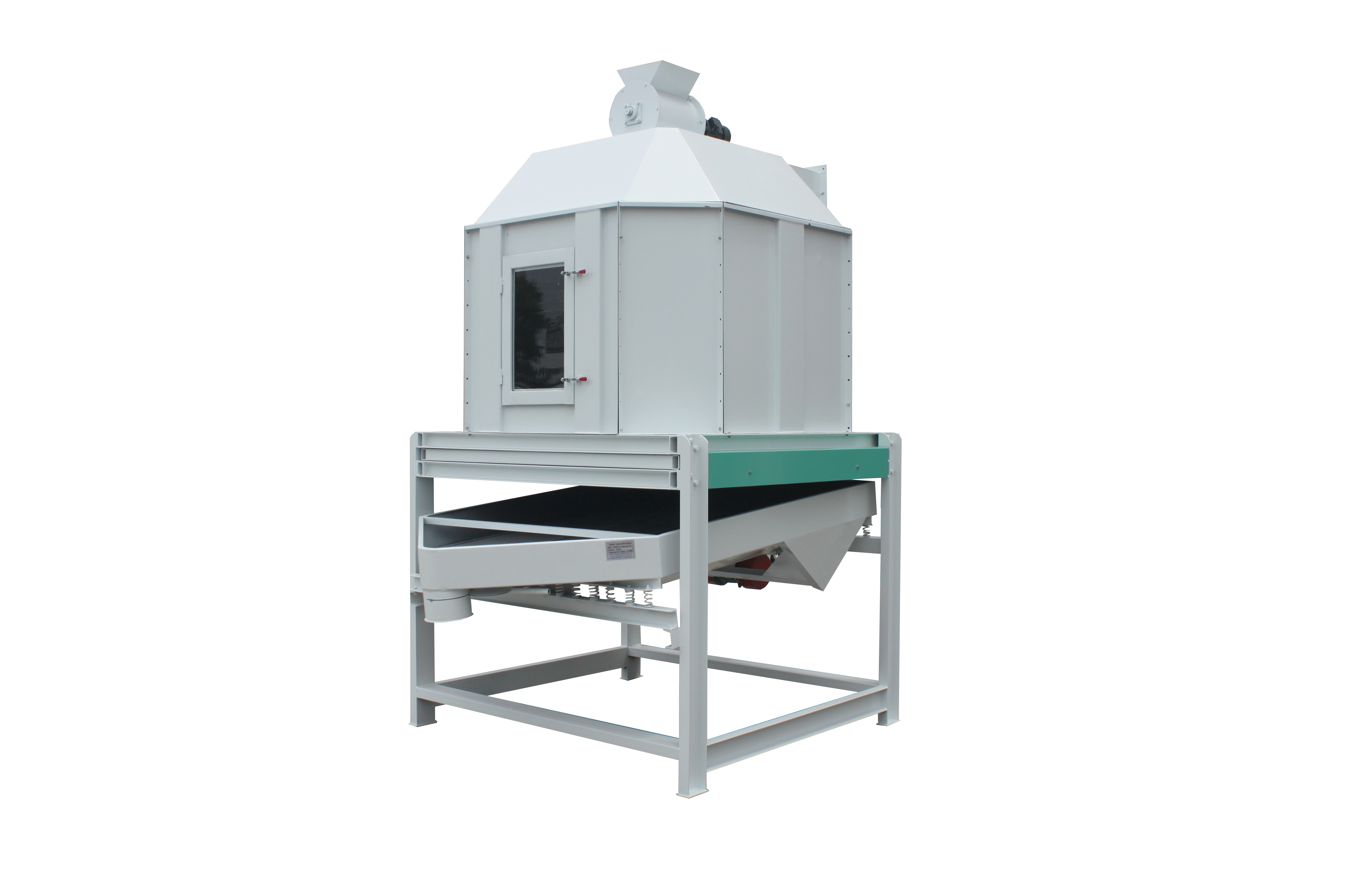
3. Feed Pelletizing Equipment
The ring die pellet machine is the core equipment for forming feed pellets:
- Double-motor narrow belt drive for stable operation
- High output with low noise (annual sales of 500 sets in China)
- Suitable for all types of livestock, poultry, and aquatic feed
- Customizable die specifications for different pellet sizes
4. Supporting Equipment
Complete feed production also requires:
- Coolers for temperature and moisture control
- Crushers for breaking large pellets
- Screeners for size classification
- Packaging machines for final product handling
- Conveyors and elevators for material transportation
- Dust removal systems for environmental protection
How to Select Feed Processing Equipment
Choosing the right machinery involves evaluating several key factors to match your production requirements and budget:
1. Production Capacity
Determine your target output per hour (1-30 tons/hour options available). Consider future expansion needs when selecting equipment models. Our company specializes in designing scalable solutions that can grow with your business.
2. Feed Type Requirements
Different animals require specific feed formulations and pellet sizes:
| Feed Type | Special Requirements |
|---|---|
| Poultry Feed | Small pellet size (2-4mm), high protein content |
| Aquatic Feed | Floating or sinking pellets, precise water stability |
| Ruminant Feed | Coarse texture, high fiber content |
| Premix Feed | Micro-ingredient uniformity, dust control |
3. Equipment Quality Indicators
Evaluate machinery based on:
- Material durability (stainless steel vs. carbon steel)
- Motor power and energy efficiency
- Precision of control systems
- Ease of maintenance and parts replacement
- Certification standards (ISO9001, CE, etc.)
4. Manufacturer Credentials
Choose experienced suppliers with:
- Proven track record in turnkey projects
- Professional engineering and installation teams
- Comprehensive after-sales service network
- Positive customer references in your region
- Compliance with international standards
Cost Considerations for Feed Production Lines
The total investment for a feed processing plant varies based on several factors:
1. Equipment Configuration Level
Basic configuration vs. fully automated systems with PLC control and Industry 4.0 features. Our company offers flexible options to match different budget levels while maintaining core quality standards.
2. Production Scale
Small-scale (1-5 tons/hour) vs. large-scale (20-30 tons/hour) plants have different equipment costs and space requirements. We provide optimized layouts to maximize space utilization.
3. Customization Requirements
Special feed formulations or processing needs may require additional equipment or modifications. Our engineering team works closely with clients to develop tailored solutions.
4. After-sales Support
Comprehensive service packages including operator training, spare parts supply, and maintenance programs should be factored into long-term costs. We offer 1-year warranty and lifetime technical support.
FAQ
What factors determine the cost of a complete feed production line?
The total cost depends on production capacity, equipment configuration, automation level, and customization requirements. A basic 1-2 tons/hour line starts from $50,000 while larger 20-30 tons/hour turnkey projects typically range from $300,000 to $800,000 depending on specific configurations.
How to choose the right feed pellet machine brand?
Consider the manufacturer’s production experience, technical capabilities, quality certification, after-sales service, and customer references. Jiangsu Huamu has 15 years of expertise, ISO9001 certification, and annual sales of 500 pellet machines domestically, making us a reliable choice.
What equipment is essential for a small feed mill?
A basic small-scale feed mill requires at minimum: hammer mill, mixer, pellet machine, cooler, and packaging machine. We recommend adding a screener and conveyor system for better efficiency. Our company provides complete packages from 1-5 tons/hour capacity.
How long does it take to install a complete feed production line?
Installation time varies based on project scale and complexity. A standard 5-10 tons/hour line typically takes 30-45 days for installation and commissioning. Our professional installation team ensures timely completion while maintaining quality standards.
What maintenance is required for feed processing equipment?
Regular maintenance includes: daily cleaning, lubrication of moving parts, inspection of wear components, and calibration of control systems. We provide detailed maintenance manuals and operator training to ensure equipment longevity and optimal performance.
Summary
Selecting the right feed processing equipment requires comprehensive evaluation of production needs, quality standards, and budget considerations. Jiangsu Huamu Machinery Co., Ltd. offers professional solutions covering equipment selection, factory layout design, installation commissioning, and after-sales service. With 15 years of industry experience, ISO9001 certification, and projects in over 50 countries, we are committed to helping clients establish efficient, reliable feed production facilities tailored to their specific requirements.