
Establishing a feed processing operation requires careful consideration of equipment selection, production capacity, and quality standards. As a leading manufacturer of feed processing equipment in China, Jiangsu Huamu Machinery Co., Ltd. provides comprehensive solutions for feed mills of all sizes. This guide covers everything you need to know about selecting the right equipment, understanding pricing factors, and implementing efficient production systems.
Understanding Feed Processing Equipment Requirements
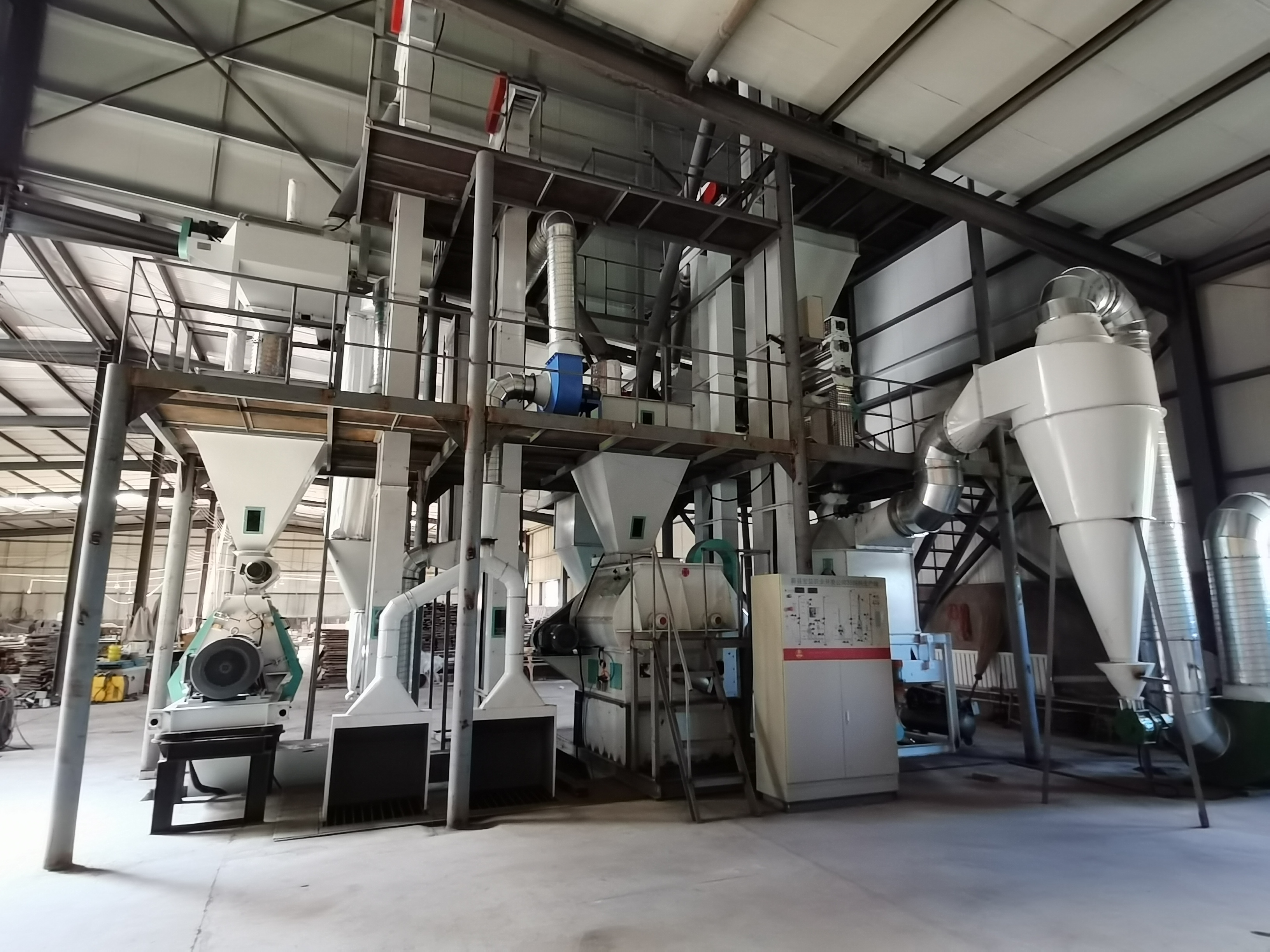
The equipment needed to build a feed mill depends on several factors including production capacity, feed types, and quality requirements. A complete feed processing line typically includes:
- Crushing System: Hammer mills or grinders to reduce raw material size
- Mixing System: Horizontal or vertical mixers for uniform ingredient distribution
- Pelleting System: Pellet mills to form feed into desired shapes and sizes
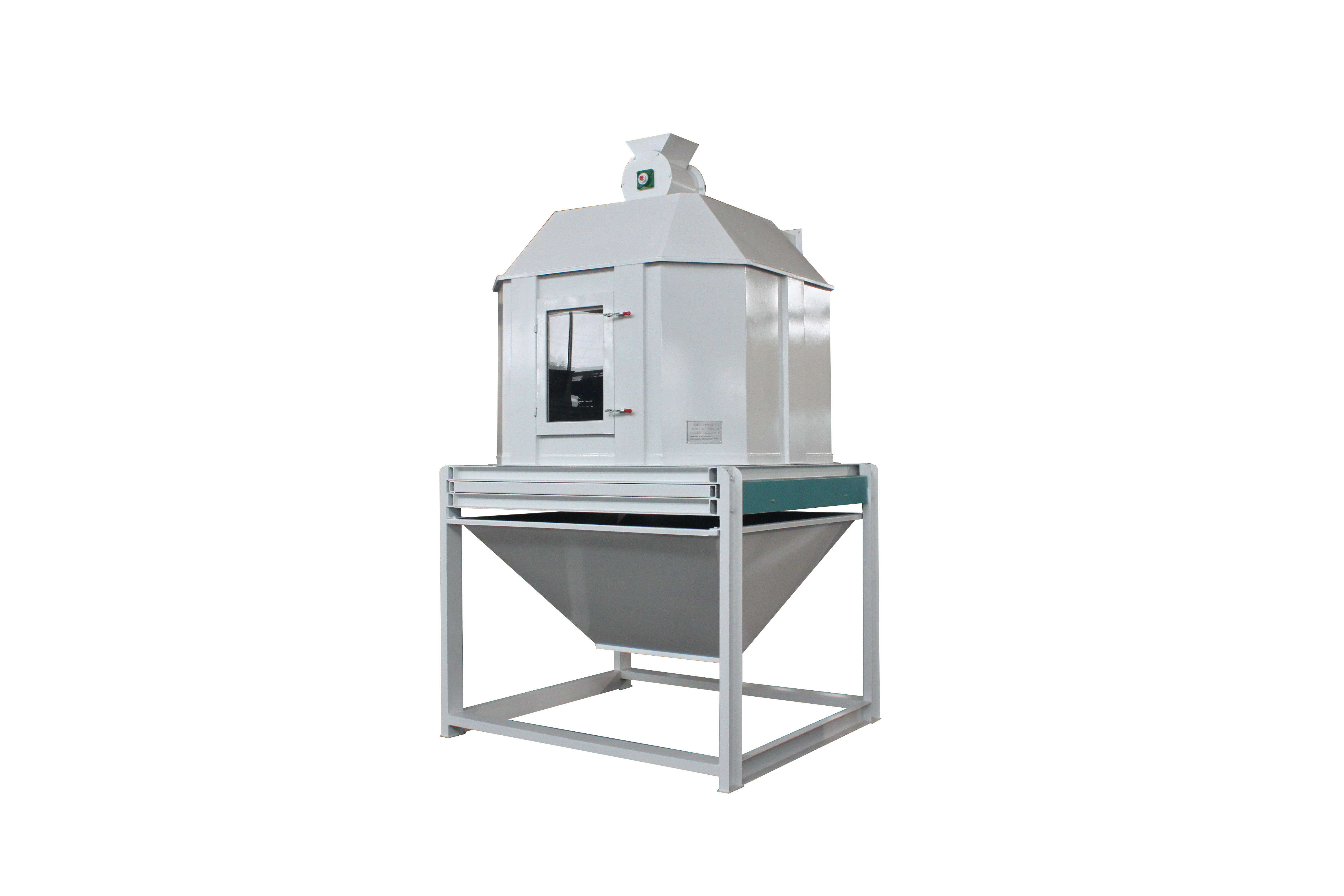
- Cooling System:
- Screening System: Sieves to separate oversized or undersized particles
- Packaging System: Automatic bagging machines for finished product packaging
- Conveying System: Bucket elevators, screw conveyors, and pneumatic systems for material handling
Coolers to reduce pellet temperature and moisture content
Jiangsu Huamu specializes in designing complete feed production lines ranging from 1-30 tons per hour capacity. Our turnkey solutions cover all aspects from initial design to installation and commissioning, ensuring seamless integration of all equipment components.
Feed Pellet Machine Price Factors and Considerations
The cost of feed pellet machines varies significantly based on several key factors:
| Factor | Impact on Price |
|---|---|
| Production Capacity | Higher capacity machines cost more but offer better economies of scale |
| Pellet Size | Machines capable of producing multiple pellet sizes may cost more |
| Material Quality | Stainless steel construction increases durability but raises costs |
| Automation Level | Fully automatic systems with PLC control cost more than manual models |
| Brand Reputation | Established brands with proven reliability may command premium pricing |
At Jiangsu Huamu, our medium-sized belt-driven pellet machines range from $5,000 to $30,000 depending on specifications. We offer competitive pricing while maintaining high quality standards through our ISO9001 certified manufacturing processes. Our machines feature dual-motor narrow belt drives for stable operation, high output, and low noise levels.
Selecting the Best Feed Pellet Machine Brand
When evaluating feed pellet machine manufacturers, consider these key factors:
1. Production Experience and Expertise
Jiangsu Huamu has over 15 years of experience in feed machinery manufacturing. Our technical team works closely with agricultural universities to continuously improve our product designs based on the latest research findings.
2. Product Range and Customization
We offer a complete range of feed processing equipment including:
- Ring die pellet machines (1-30T/h capacity)
- Waterdrop hammer mills with 25% higher output
- Double-shaft mixers with 30-90 second mixing cycles
- Coolers, stabilizers, and complete auxiliary equipment
3. Quality Certifications
Our products meet international quality standards with ISO9001 certification. We use high-grade materials and precision manufacturing processes to ensure equipment durability and reliable performance.
4. After-Sales Support
We provide comprehensive after-sales services including:
- Equipment installation and commissioning
- Operator training programs
- Spare parts supply
- Technical support hotline
- Regular maintenance services
5. Global Market Presence
Our equipment is exported to over 50 countries worldwide, with particular strength in Southeast Asia, Africa, and South America. This global experience helps us better understand diverse market requirements.
Optimizing Your Feed Processing Plant Equipment Selection
Creating an efficient feed production line requires careful equipment selection based on your specific needs:
For Small-Scale Operations (1-5T/h)
Ideal for small farms or startup feed mills, this capacity range requires compact, energy-efficient equipment that maintains quality while minimizing investment costs. Our solutions include:
- Single-phase or three-phase small pellet machines
- Compact hammer mills with easy maintenance
- Vertical mixers for limited space applications
- Manual or semi-automatic packaging systems
For Medium-Scale Operations (5-20T/h)
This capacity range suits growing feed mills or medium-sized farms. Key equipment includes:
- Medium-sized ring die pellet machines
- Waterdrop hammer mills with higher throughput
- Double-shaft horizontal mixers
- Counter-flow coolers for efficient pellet cooling
- Automatic packaging systems
For Large-Scale Operations (20-30T/h+)
Large commercial feed mills require high-capacity, fully automated systems:
- Multiple pellet machines in parallel operation
- High-capacity hammer mills with automatic feeding
- Twin-shaft paddle mixers with liquid addition systems
- Advanced cooling and screening systems
- Fully automatic palletizing systems
Specialized Equipment for Different Feed Types
Different animal species require specific feed formulations and processing methods. Our equipment is designed to handle:
Poultry Feed Production
Chicken, duck, and other poultry require small pellet sizes (2-4mm) with precise nutrient distribution. Our double-shaft mixers ensure uniform mixing of micro-ingredients, while our fine-grinding hammer mills produce consistent particle sizes.
Livestock Feed Production
Cattle and sheep feed requires larger pellet sizes (4-8mm) with higher fiber content. Our robust pellet machines with reinforced die and rollers handle abrasive materials effectively, while our mixer’s short mixing cycle maintains production efficiency.
Aquatic Feed Production
Fish and shrimp feed requires floating or sinking pellets with precise water stability. Our specialized aquatic feed pellet machines produce high-quality extruded feed with excellent water resistance and nutrient retention.
FAQ
What factors determine the price of feed pellet machines?
The price depends on production capacity, pellet size range, material quality, automation level, and brand reputation. Higher capacity machines with stainless steel construction and advanced controls cost more but offer better long-term value.
How do I select the right capacity for my feed mill?
Calculate your daily feed requirement based on animal numbers and feeding rates, then add 20-30% capacity buffer for future growth. Consider starting with slightly higher capacity than current needs to accommodate business expansion.
What maintenance is required for feed processing equipment?
Regular maintenance includes daily cleaning, weekly lubrication of moving parts, monthly inspection of belts/chains, and quarterly comprehensive checks. We provide detailed maintenance manuals and training for all our equipment.
Can you customize equipment for specific feed formulations?
Yes, we offer complete customization including die specifications for different pellet sizes, mixer configurations for special ingredient handling, and process modifications for unique feed formulations.
How long does it take to install a complete feed production line?
Installation time depends on project scale and complexity. Small lines (1-5T/h) typically take 2-4 weeks, while large commercial plants (20-30T/h) may require 2-3 months including equipment installation, piping, and electrical work.
What quality certifications do your products have?
All our equipment meets ISO9001 quality management system standards. Many products also comply with CE certification requirements for European markets. We can provide specific certification documents upon request.
Do you provide operator training for your equipment?
Yes, we offer comprehensive training programs covering equipment operation, maintenance procedures, safety protocols, and troubleshooting. Training can be conducted at our factory or on-site at your facility.
What warranty do you offer on your feed processing equipment?
We provide a 12-month warranty on all major components from the date of commissioning. During this period, we supply free replacement parts for any manufacturing defects and offer lifetime technical support.
How do you ensure consistent feed quality?
Our equipment design focuses on precision processing: accurate weighing systems, uniform mixing technology, consistent pelleting pressure, and effective cooling/drying. We also offer quality control equipment like near-infrared analyzers for real-time nutrient monitoring.
Can you help with feed mill layout design?
Absolutely. Our engineering team provides complete plant layout services considering material flow, equipment spacing, utility requirements, and future expansion possibilities. We create detailed 3D drawings before installation begins.
Summary
Selecting the right feed processing equipment requires careful evaluation of your production needs, quality requirements, and budget constraints. Jiangsu Huamu Machinery offers complete solutions from individual machines to turnkey feed mill projects, with particular strength in medium-scale operations (1-30T/h). Our equipment combines advanced technology with robust construction to deliver reliable performance and excellent feed quality. With ISO9001 certification, global market experience, and comprehensive after-sales support, we help feed producers worldwide achieve efficient, profitable operations.