
Setting up a feed processing factory requires careful planning and selection of appropriate equipment. Whether you’re establishing a new facility or upgrading an existing one, understanding the essential machinery needed for efficient feed production is crucial. This comprehensive guide explores the key equipment required for different types of feed production, provides cost analysis, and offers expert recommendations from Jiangsu Huamu Machinery Co., Ltd., a leading manufacturer in the industry.
Essential Equipment for Feed Processing Factories
The core equipment required for a feed processing factory depends on the type of feed being produced (animal, poultry, aquatic, etc.) and the production capacity. Here’s a detailed breakdown of the essential machinery:
1. Feed Pellet Machine
The feed pellet machine is the heart of any feed production line. It converts mixed powder into uniform pellets through high-temperature extrusion. Jiangsu Huamu specializes in medium and small-sized belt-driven pellet machines featuring:
- Dual-motor narrow belt transmission for stable operation
- High production capacity (up to 500 sets annually)
- Low noise operation (below 85dB)
- Suitable for all types of livestock and aquatic feed
These machines come in various models with capacities ranging from 1-30 tons per hour, making them ideal for different scale operations.
2. Hammer Mill (Grinding Machine)
The hammer mill is crucial for preparing raw materials by reducing particle size. Jiangsu Huamu’s waterdrop-type hammer mill offers:
- 25% higher production capacity compared to traditional models
- Versatile grinding options (coarse, fine, and micro-fine)
- Unique “mountain-shaped” secondary impact structure
- Suitable for high-grade livestock feed, aquatic feed, and industrial raw materials
This multi-functional grinder can handle various materials including corn, soybean meal, wheat bran, and even fibrous materials like alfalfa.
3. Mixer Machine
For uniform feed quality, a high-performance mixer is essential. Jiangsu Huamu’s double-shaft paddle mixer offers:
- Rapid mixing cycle of just 30-90 seconds per batch
- Exceptional mixing uniformity (CV≤5%)
- No segregation of ingredients
- Optional atomizing spray system for liquid addition
This mixer is ideal for blending powder and granular materials in feed, food, and chemical industries, ensuring consistent nutrient distribution in every batch.
4. Supporting Equipment
A complete feed production line requires several supporting machines:
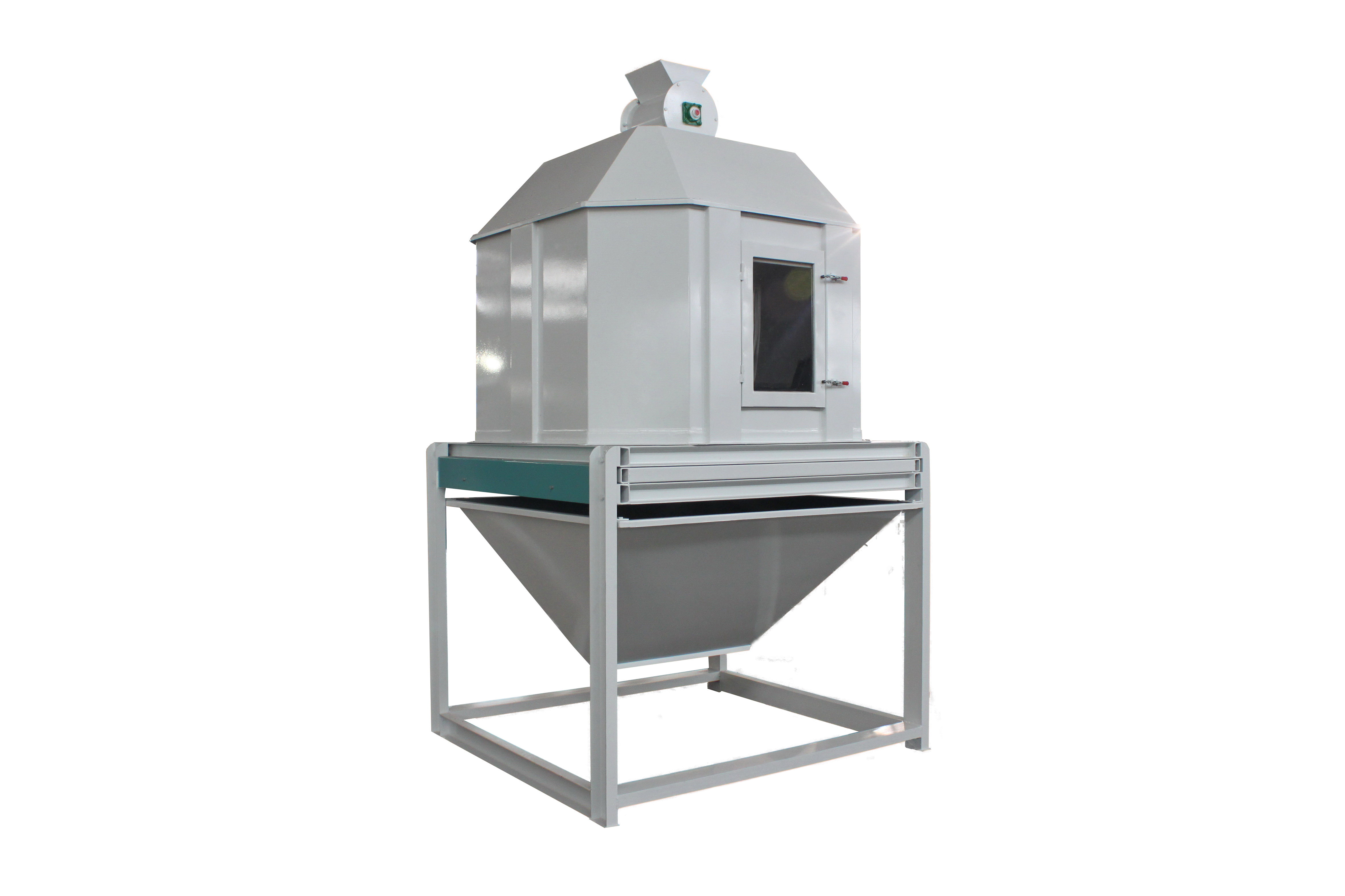
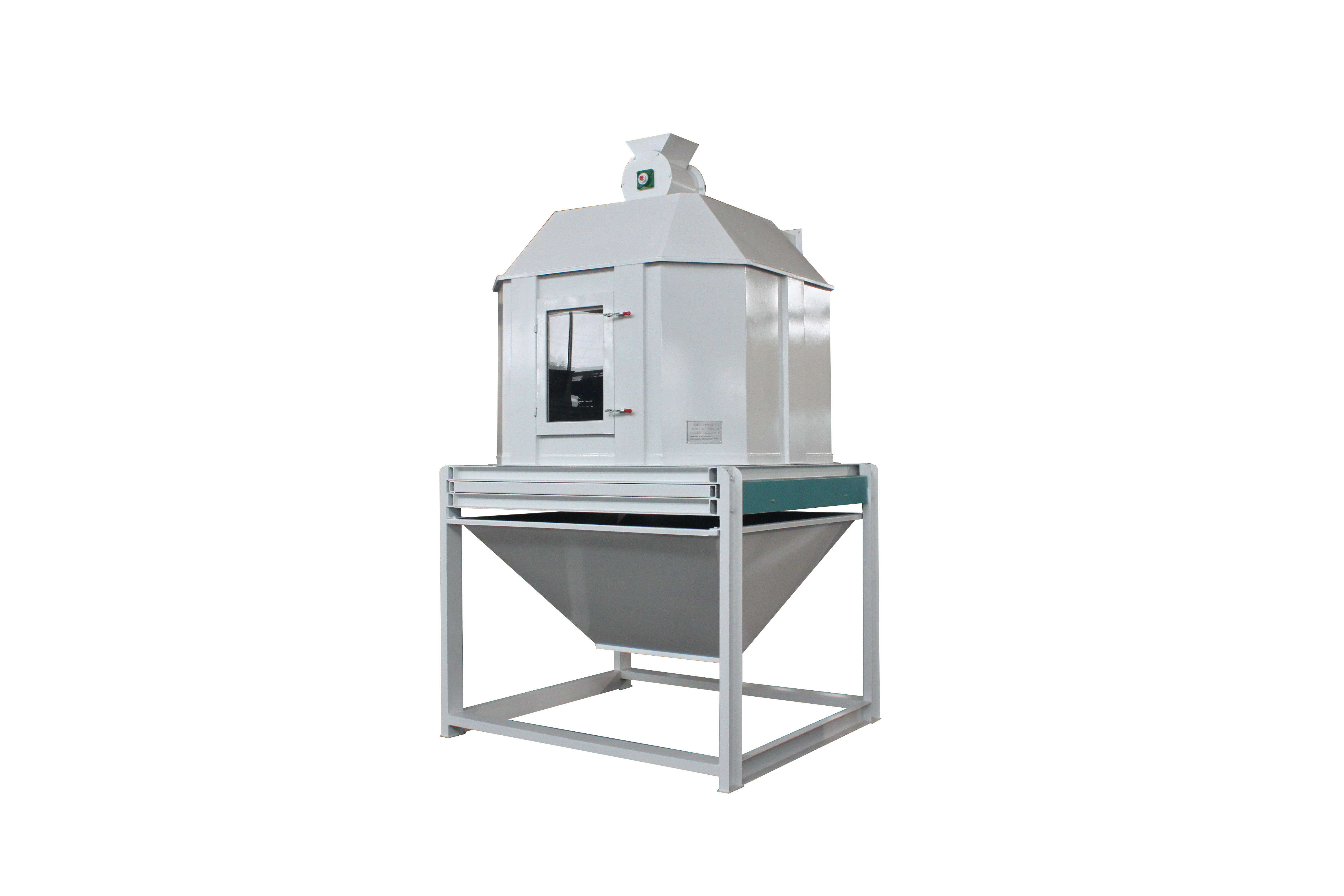
- Cooler: Reduces pellet temperature and moisture content
- Crumbler: Breaks large pellets into smaller sizes
- Screener: Separates qualified products from oversized or undersized particles
- Packing Machine: Automates the weighing and packaging process
- Conveying System: Includes bucket elevators and screw conveyors for material handling
- Dust Collection System: Maintains clean working environment
Cost Analysis of Feed Production Lines
The total investment for a feed production line varies significantly based on several factors:
Factors Affecting Feed Production Line Cost
- Production Capacity: Lines ranging from 1-30 tons/hour have different equipment specifications and costs
- Equipment Configuration: Basic vs. premium models with advanced features
- Automation Level: Semi-automatic vs. fully automatic systems
- Material Quality: Carbon steel vs. stainless steel construction
- Brand Reputation: Established manufacturers vs. new entrants
Typical Cost Ranges
| Production Capacity | Equipment Cost Range | Turnkey Project Cost |
|---|---|---|
| 1-3 tons/hour | $15,000 – $50,000 | $25,000 – $70,000 |
| 5-10 tons/hour | $50,000 – $120,000 | $80,000 – $180,000 |
| 15-30 tons/hour | $120,000 – $300,000+ | $200,000 – $500,000+ |
Note: These are approximate costs for reference only. Actual prices may vary based on specific requirements, exchange rates, and supplier pricing policies.
Feed Processing Equipment Selection Guide
Choosing the right equipment for your feed processing factory requires careful consideration of several factors:
1. Production Requirements
Determine your target production capacity and the types of feed you’ll produce (livestock, poultry, aquatic, etc.). This will dictate the size and specifications of your core equipment.
2. Quality Standards
Consider the quality requirements of your target market. High-end markets may demand more precise mixing, finer grinding, and better pellet quality, requiring premium equipment.
3. Space Availability
Measure your factory space to ensure the selected equipment can be properly installed with adequate clearance for maintenance and material flow.
4. Energy Efficiency
Look for equipment with energy-saving features like variable frequency drives, optimized motor power, and efficient heat recovery systems to reduce operating costs.
5. After-Sales Support
Choose a supplier that offers comprehensive after-sales service including installation, commissioning, operator training, and readily available spare parts.
6. Customization Options
Opt for a manufacturer that can customize equipment to meet your specific requirements, such as special materials for corrosion resistance or modifications for unique formulations.
Why Choose Jiangsu Huamu Machinery?
As a specialized manufacturer with over [X] years of experience in feed machinery production, Jiangsu Huamu offers several advantages:
- Complete Solutions: From single machines to turnkey projects, we provide comprehensive services
- Quality Assurance: ISO9001 certified production with strict quality control processes
- Technical Innovation: Continuous R&D investment resulting in 15+ patents
- Global Reach: Products exported to 50+ countries with local service networks
- Customization: Tailored solutions to meet specific customer requirements
- Support: Professional installation, commissioning, and operator training services
FAQ
What factors determine the cost of a feed production line?
The cost is primarily influenced by production capacity, equipment configuration, automation level, material quality, and brand reputation. Larger capacity lines with premium features from reputable manufacturers will cost more but offer better performance and reliability.
How to select the right feed pellet machine for my business?
Consider your production capacity, target animal types, and quality requirements. For small to medium operations, Jiangsu Huamu’s belt-driven pellet machines offer excellent value with their stable operation, high output, and low noise levels.
What maintenance is required for feed processing equipment?
Regular maintenance includes daily cleaning, lubrication of moving parts, inspection of belts/chains, and periodic replacement of wear parts like hammers, screens, and dies. A preventive maintenance schedule helps maximize equipment lifespan.
How long does it take to install a complete feed production line?
Installation time varies based on line complexity and factory conditions. Typically, a 5-10 ton/hour line takes 30-45 days for installation and commissioning, including operator training.
Can you customize feed processing equipment for special requirements?
Yes, Jiangsu Huamu offers customization services to meet specific needs such as special materials for corrosion resistance, modified dimensions for space constraints, or unique configurations for special formulations.
Summary
Setting up an efficient feed processing factory requires careful selection of appropriate equipment based on your production requirements, quality standards, and budget. The core machinery includes feed pellet machines, hammer mills, mixers, and various supporting equipment. Costs vary widely based on capacity and configuration, with small lines starting around $25,000 and large industrial lines exceeding $500,000.
Jiangsu Huamu Machinery Co., Ltd. stands out as a reliable partner for feed processing equipment needs, offering complete solutions from single machines to turnkey projects. With our customer-first approach, technical expertise, and global experience, we help clients worldwide establish efficient and profitable feed production operations.
For personalized recommendations and detailed quotations, contact our sales team with your specific requirements including production capacity, feed types, and budget constraints.