
When establishing or upgrading a feed processing operation, whether for livestock, poultry, or aquaculture, selecting the right equipment is crucial for efficiency, quality, and cost-effectiveness. This comprehensive guide covers everything you need to know about feed processing machinery, from individual machines to complete production lines, helping you make informed decisions for your agricultural business.
Understanding Feed Processing Equipment Types
Feed processing involves several key machines that work together to transform raw materials into high-quality finished feed. The core equipment includes:
1. Feed Pellet Machines (Pelletizers)
The cornerstone of modern feed production, pellet machines convert powdered feed mixtures into uniform pellets. These machines come in various sizes and capacities, with ring die pellet machines being the most popular for industrial applications. Key features to consider when selecting a pellet machine include:
- Production capacity (tons per hour)
- Pellet diameter options
- Power consumption efficiency
- Durability of components (especially dies and rollers)
- Noise level during operation
Jiangsu Huamu Machinery specializes in medium-sized belt-driven pellet machines that offer stable operation, high output, and low noise levels, making them ideal for various feed production scenarios.
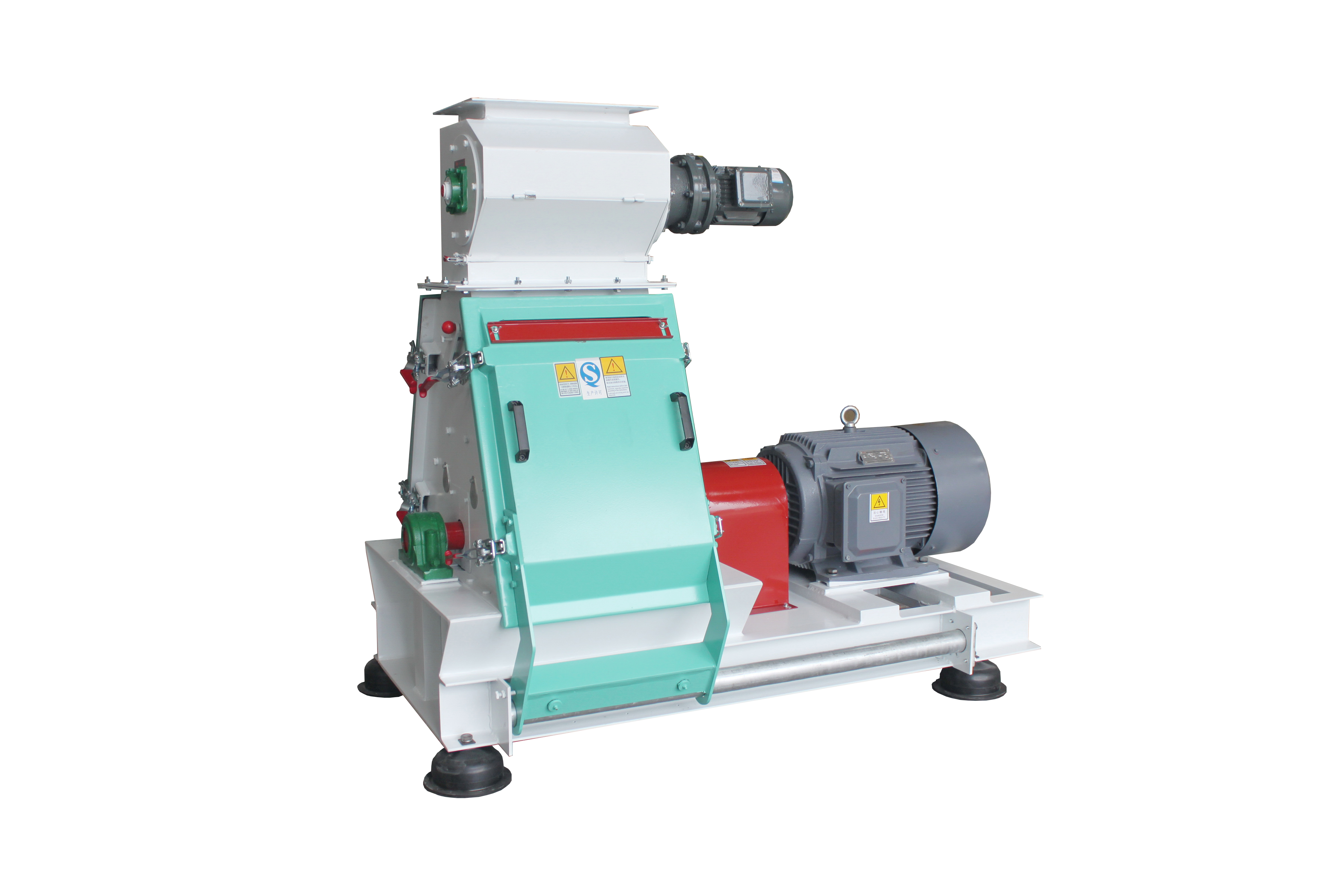
2. Feed Hammer Mills (Grinders)
Before pelletizing, raw materials must be ground to the appropriate particle size. Hammer mills accomplish this through high-speed rotating hammers that pulverize materials against a perforated screen. Modern designs, like those from Jiangsu Huamu, feature:
- Waterdrop-shaped grinding chambers for improved efficiency
- “Mountain-shaped” secondary impact structure for finer grinding
- 25% higher output compared to traditional designs
- Multi-purpose capability (coarse, fine, and micro-fine grinding)
- Easy screen replacement for different particle sizes
3. Feed Mixers
Uniform mixing ensures consistent nutrient distribution in the final feed. Double-shaft paddle mixers represent the advanced solution, offering:
- Rapid mixing cycles (30-90 seconds per batch)
- High mixing uniformity (CV≤5%)
- No segregation of ingredients
- Optional liquid addition systems for molasses or fat coating
- Customizable configurations for different materials
Complete Feed Production Line Solutions
For those looking to establish or upgrade a complete feed mill, turnkey solutions offer significant advantages. A comprehensive feed production line typically includes:
Essential Components of a Feed Mill
Beyond the core machines mentioned above, a complete feed processing facility requires several auxiliary equipment:
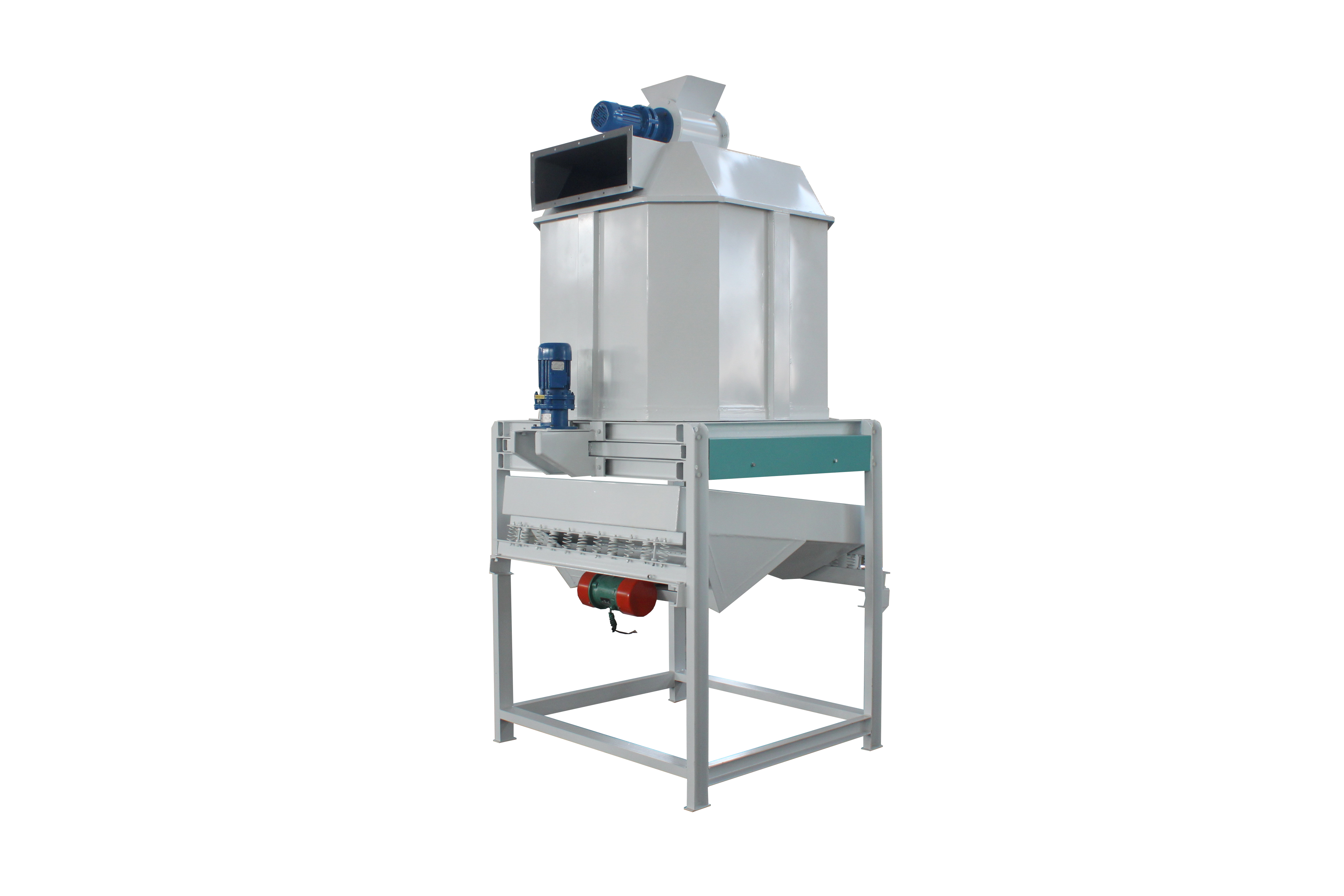
- Coolers: Reduce pellet temperature and moisture content after pelletizing
- Crumblers: Break down large pellets into smaller sizes for specific applications
- Screeners: Separate oversized or undersized particles for reprocessing
- Conveyors: Material handling systems for efficient workflow between machines
- Dust collection systems: Maintain clean working environment and comply with regulations
- Packaging machines: Automated systems for weighing and bagging finished feed
Capacity Considerations
Feed production lines come in various capacities to suit different operation scales:
| Production Capacity | Suitable For | Typical Configuration |
|---|---|---|
| 1-3 TPH | Small farms, feed retailers | Basic hammer mill + mixer + pellet machine |
| 5-10 TPH | Medium-sized feed operations | Enhanced hammer mill + double-shaft mixer + pellet machine + cooler |
| 15-30 TPH | Large commercial feed mills | High-capacity hammer mill + premium mixer + pellet machine + cooler + screener + packaging |
Feed Processing Equipment Cost Analysis
The cost of establishing a feed processing operation varies widely based on several factors:
Factors Influencing Feed Production Line Cost
- Production Capacity: Higher capacity lines require more powerful (and expensive) machinery
- Equipment Quality: Premium brands with better components and durability command higher prices
- Automation Level: Fully automated systems cost more but offer long-term labor savings
- Customization Requirements: Specialized solutions for specific feed types may increase costs
- Installation Scope: Turnkey solutions including installation and commissioning cost more than standalone machines
Typical Price Ranges
While prices vary based on configuration and supplier, here are approximate ranges for complete feed production lines:
- Small-scale (1-3 TPH): $20,000 – $80,000 USD
- Medium-scale (5-10 TPH): $80,000 – $200,000 USD
- Large-scale (15-30 TPH): $200,000 – $500,000+ USD
Note: These figures are estimates and can vary significantly based on specific requirements and market conditions.
Selecting the Best Feed Pellet Machine Brand
With numerous manufacturers in the market, choosing a reliable feed pellet machine brand requires careful consideration. Here’s what to look for:
Key Evaluation Criteria
- Production Experience: Look for manufacturers with years of specialized experience in feed machinery
- Technical Innovation: Companies investing in R&D typically offer more advanced, efficient machines
- Quality Certifications: ISO 9001 certification indicates adherence to international quality standards
- Global Presence: Manufacturers exporting to multiple countries demonstrate product adaptability
- After-sales Support: Comprehensive service networks ensure timely maintenance and parts availability
- Customer Reviews: Positive feedback from international clients indicates reliable performance
Why Jiangsu Huamu Stands Out
As a specialized feed machinery manufacturer based in Wuxi, China, Jiangsu Huamu offers distinct advantages:
- 15+ years of focused experience in feed processing equipment
- ISO 9001 certified manufacturing processes
- Products exported to 50+ countries worldwide
- Complete solution provider from design to installation
- Annual production capacity of 500+ pellet machine units
- Customization capabilities for diverse feed types
FAQ
What factors should I consider when choosing feed processing equipment?
Key considerations include your production capacity needs, target feed types (livestock, poultry, aquatic), budget constraints, available space, and desired automation level. It’s also important to evaluate the manufacturer’s reputation, quality certifications, and after-sales support capabilities.
How can I ensure the quality of feed pellets produced?
High-quality pellets depend on proper raw material preparation (correct grinding size), precise formulation, appropriate conditioning (temperature and moisture), and well-maintained pellet mill dies and rollers. Using premium equipment from reputable manufacturers like Jiangsu Huamu helps ensure consistent pellet quality.
What maintenance is required for feed processing machinery?
Regular maintenance includes daily cleaning, lubrication of moving parts, inspection of belts/chains, and periodic replacement of wear parts like hammer mill screens and pellet mill dies. Following the manufacturer’s maintenance schedule and using genuine spare parts extends equipment lifespan and maintains performance.
Can I get customized feed processing solutions for my specific needs?
Yes, leading manufacturers like Jiangsu Huamu offer customization options to accommodate different feed formulations, production capacities, and space constraints. This includes adjusting machine sizes, configuring different auxiliary equipment, and designing layouts for optimal workflow.
What is the typical return on investment (ROI) for a feed processing operation?
ROI depends on factors like production costs, feed selling prices, market demand, and operational efficiency. Well-managed medium to large-scale feed mills typically achieve ROI within 2-5 years. Using energy-efficient equipment and optimizing production processes can significantly improve profitability.
Summary
Establishing or upgrading a feed processing operation requires careful consideration of equipment types, production capacity, quality requirements, and budget constraints. By understanding the core components of feed processing lines and evaluating manufacturers based on experience, technical capabilities, and global presence, you can make informed decisions that ensure long-term success.
Jiangsu Huamu Machinery stands out as a specialized provider of complete feed processing solutions, offering high-quality equipment, customization options, and comprehensive support for international clients. Whether you’re setting up a new feed mill or upgrading existing facilities, their expertise can help you achieve optimal efficiency and product quality in your feed production operations.