
Establishing a modern feed processing plant requires careful equipment selection and professional planning. As a leading feed machinery manufacturer with 15 years of experience, Jiangsu Huamu Machinery provides comprehensive solutions for feed production lines worldwide. This guide covers everything from individual equipment selection to complete turnkey projects, helping you make informed decisions for your feed processing business.
Essential Equipment for Feed Processing Plants
A complete feed production line typically includes seven core equipment categories, each playing a crucial role in ensuring product quality and production efficiency. Understanding these components helps in making optimal equipment selections based on your specific production needs.
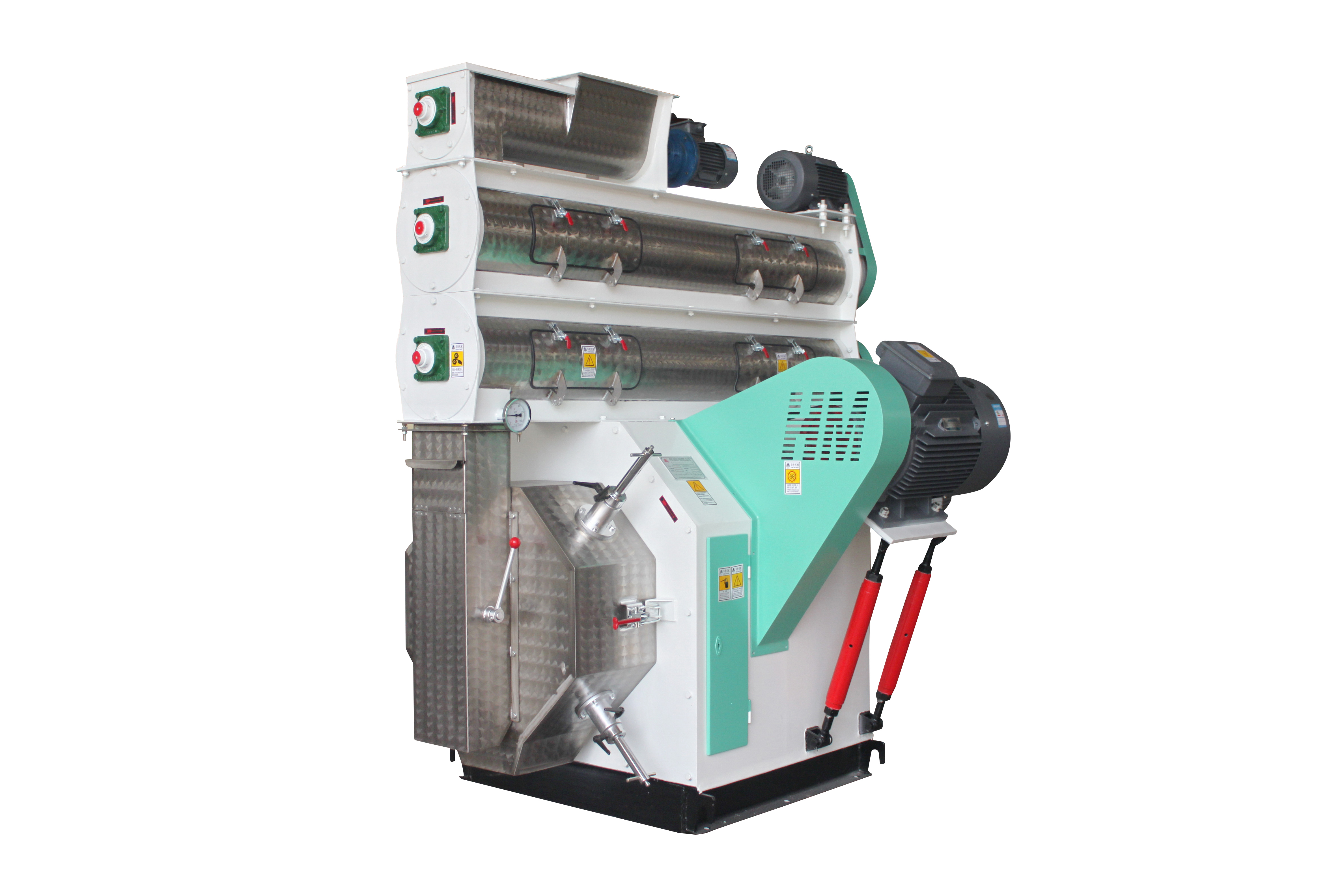
The first and most critical piece is the feed pellet machine. This equipment transforms powdered feed into uniform pellets through high-pressure extrusion. Our pellet machines feature double-motor narrow belt transmission for stable operation, with capacities ranging from 1-30 tons per hour. The pelletizing process improves feed digestibility by 15-20% compared to powdered feed, while reducing dust generation during storage and transportation.
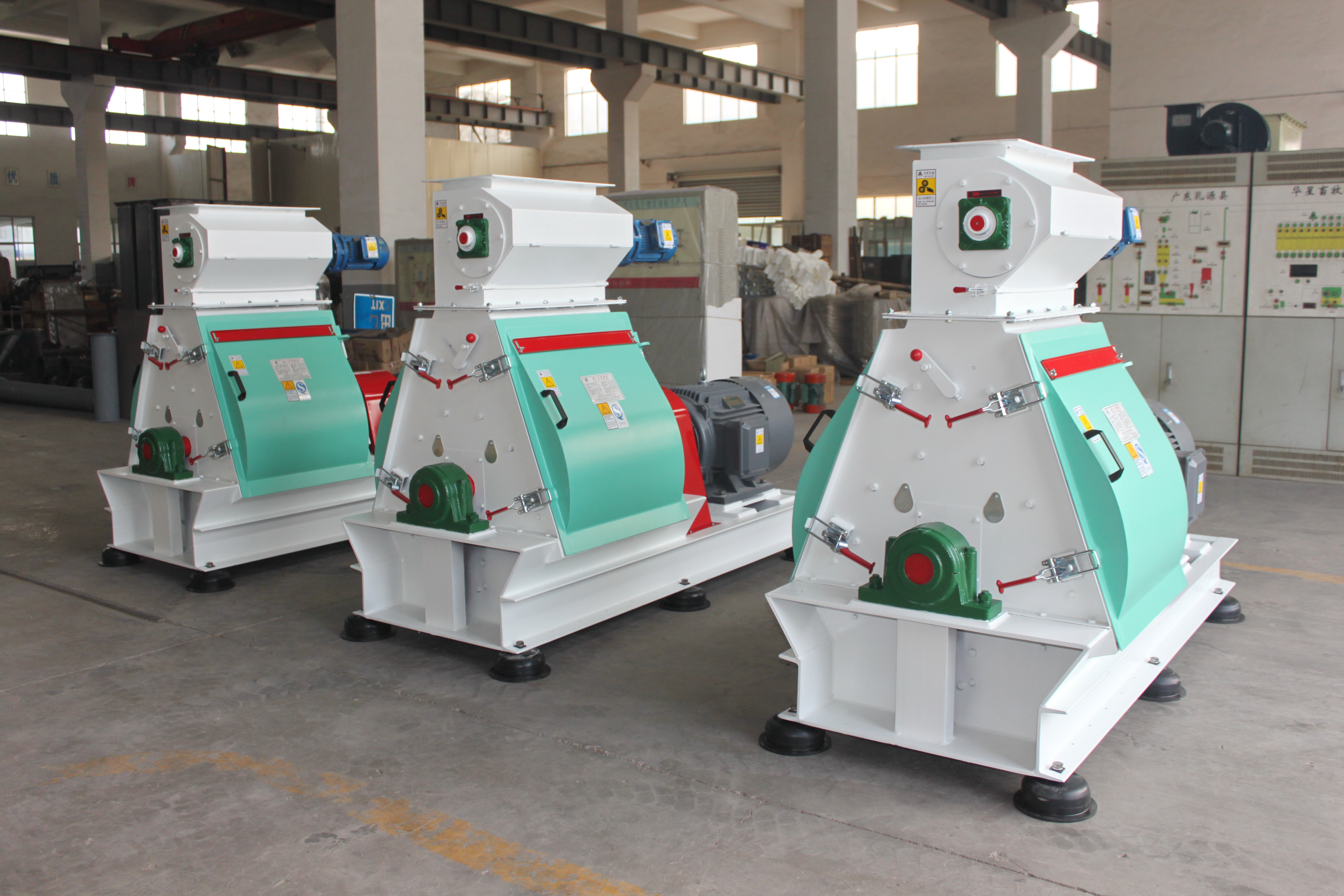
Complementing the pellet machine is the feed hammer mill, which serves as the primary crushing equipment. Our waterdrop-type hammer mills incorporate a unique “mountain-shaped” secondary impact structure, increasing output by 25% compared to traditional designs. This versatile equipment handles both coarse and fine grinding requirements, with screen sizes adjustable from 0.8mm to 10mm to meet different feed formulation needs.
Key Equipment Selection Criteria
When selecting feed processing equipment, several technical parameters require careful consideration to ensure optimal performance and cost-effectiveness. These factors directly impact production efficiency, product quality, and operational costs.
For feed pellet machines, the die diameter is particularly important. Standard dies range from 2.0mm to 12.0mm, with smaller dies (2.0-4.0mm) typically used for fish feed and larger dies (6.0-12.0mm) for livestock feed. The compression ratio of the die (hole depth to diameter ratio) determines pellet density and hardness, with values typically ranging from 1:8 to 1:20 depending on feed type.
The feed hammer mill‘s rotor speed and screen size are critical parameters. Our equipment operates at 2,900-3,000 RPM, with screen sizes adjustable in 0.2mm increments. The hammer configuration (number and arrangement) affects grinding efficiency and particle size distribution. We recommend 4-6 rows of hammers for most applications, with the ability to adjust based on raw material characteristics.
When selecting a feed mixer, pay special attention to mixing uniformity and time. Our double-shaft paddle mixers achieve CV≤5% uniformity within 30-90 seconds per batch, significantly faster than traditional mixers. The optional atomizing spray system enables precise addition of liquid ingredients like molasses and oils, with dosage control accuracy of ±0.5%.
| Equipment Type | Capacity Range | Power Requirement | Key Feature |
|---|---|---|---|
| Feed Pellet Machine | 1-30 T/H | 37-250 kW | Double motor transmission |
| Feed Hammer Mill | 1-20 T/H | 22-132 kW | Waterdrop grinding chamber |
| Feed Mixer | 0.25-20 T/batch | 4-55 kW | Double shaft paddle design |
Complete Feed Mill Turnkey Solutions
For investors looking to establish new feed processing plants or upgrade existing facilities, Jiangsu Huamu offers comprehensive turnkey solutions covering all aspects of project implementation. Our services include factory layout design, equipment selection and installation, electrical control system configuration, and operator training.
A typical turnkey project begins with detailed consultation to understand your production goals, raw material characteristics, and budget constraints. Based on this information, our engineers design customized production lines with capacities ranging from 1-30 tons per hour, covering all types of animal feed including poultry, livestock, aquatic, and specialty feeds.
The installation phase involves precise equipment positioning and alignment to ensure optimal material flow between processes. Our technical team conducts comprehensive testing and commissioning, including no-load and loaded trials, to verify system performance meets design specifications. We provide operator training covering equipment operation, maintenance procedures, and troubleshooting techniques.
Project Management Advantages
Our turnkey approach offers several distinct advantages over piecemeal equipment purchases. First, it ensures seamless integration between different equipment components, eliminating compatibility issues that often arise with mixed-brand installations. Second, it reduces project implementation time by 30-40% through coordinated scheduling and resource allocation.
Third, our turnkey projects come with comprehensive after-sales support, including a 12-month equipment warranty and lifetime technical guidance. We maintain a global service network with spare parts centers in key regions, ensuring prompt response to any operational issues. This complete service package gives our clients peace of mind throughout the project lifecycle.
FAQ
What factors affect feed pellet machine pricing?
Feed pellet machine prices vary based on capacity, configuration, and materials. Key factors include production capacity (1-30 T/H), die diameter (2-12mm), motor power (37-250 kW), and transmission type (gear vs belt). Our standard models range from $8,500 to $68,000 depending on these specifications, with custom options available for special requirements.
How to select the right hammer mill for my feed plant?
Choose based on raw material type and desired particle size. For grain processing, a 22-37kW hammer mill with 3-5mm screens works well. For fibrous materials like alfalfa, select a 55-75kW model with 6-8mm screens. Our waterdrop hammer mills handle both coarse and fine grinding in one machine, improving flexibility and reducing investment costs.
What maintenance is required for feed processing equipment?
Daily maintenance includes cleaning, lubrication, and inspection. For pellet machines, check die wear every 500 working hours and replace when diameter expands by 0.3-0.5mm. Hammer mills require hammer replacement every 800-1,200 hours depending on raw material hardness. Mixers need paddle inspection every 6 months and bearing replacement annually.
Can your equipment handle special feed formulations?
Yes, our equipment supports custom formulations including high-fat, high-fiber, and medicinal feeds. The pellet machine can process feeds with up to 18% fat content using special dies. The mixer’s atomizing system ensures uniform distribution of liquid additives like enzymes and probiotics, maintaining product quality and stability.
Summary
Selecting the right feed processing equipment requires comprehensive consideration of production capacity, feed type, quality requirements, and budget constraints. Jiangsu Huamu Machinery offers professional solutions covering individual equipment selection to complete turnkey projects, with 15 years of experience serving global clients. Our ISO9001 certified products and customized services help feed producers achieve optimal production efficiency and product quality. Contact our experts today for personalized equipment selection guidance and project planning support.