
Establishing a modern feed production facility requires careful consideration of equipment selection, production capacity, and cost optimization. As a leading manufacturer specializing in feed machinery with over 15 years of industry experience, Jiangsu Huamu Machinery Co., Ltd. provides comprehensive solutions for feed factories worldwide. This guide will walk you through the essential equipment needed, key selection criteria, and cost analysis for building a professional feed production line.
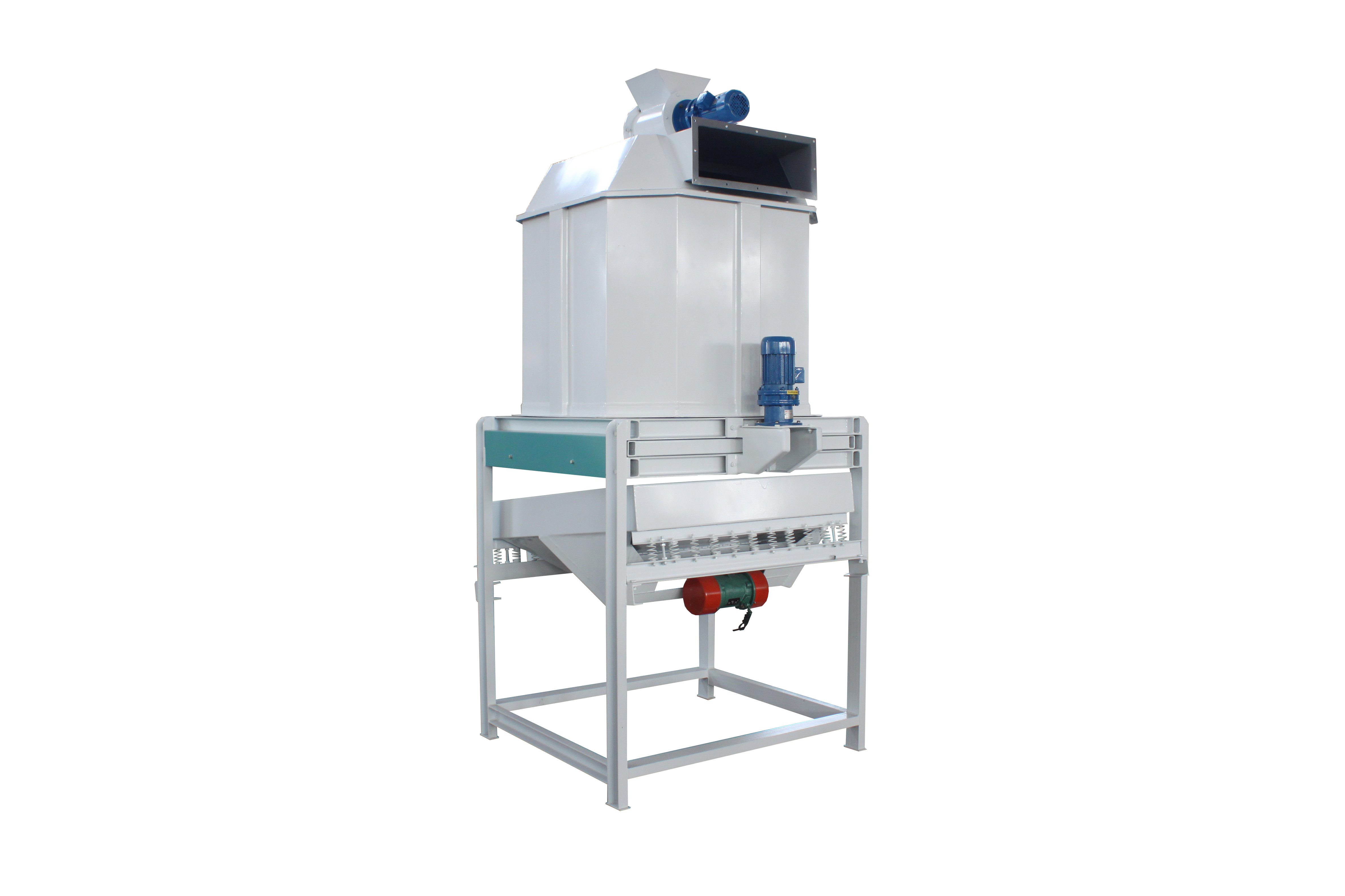
Essential Equipment for Feed Production Lines
A complete feed production line typically consists of several core machines working in sequence to transform raw materials into finished feed pellets. The primary equipment includes:
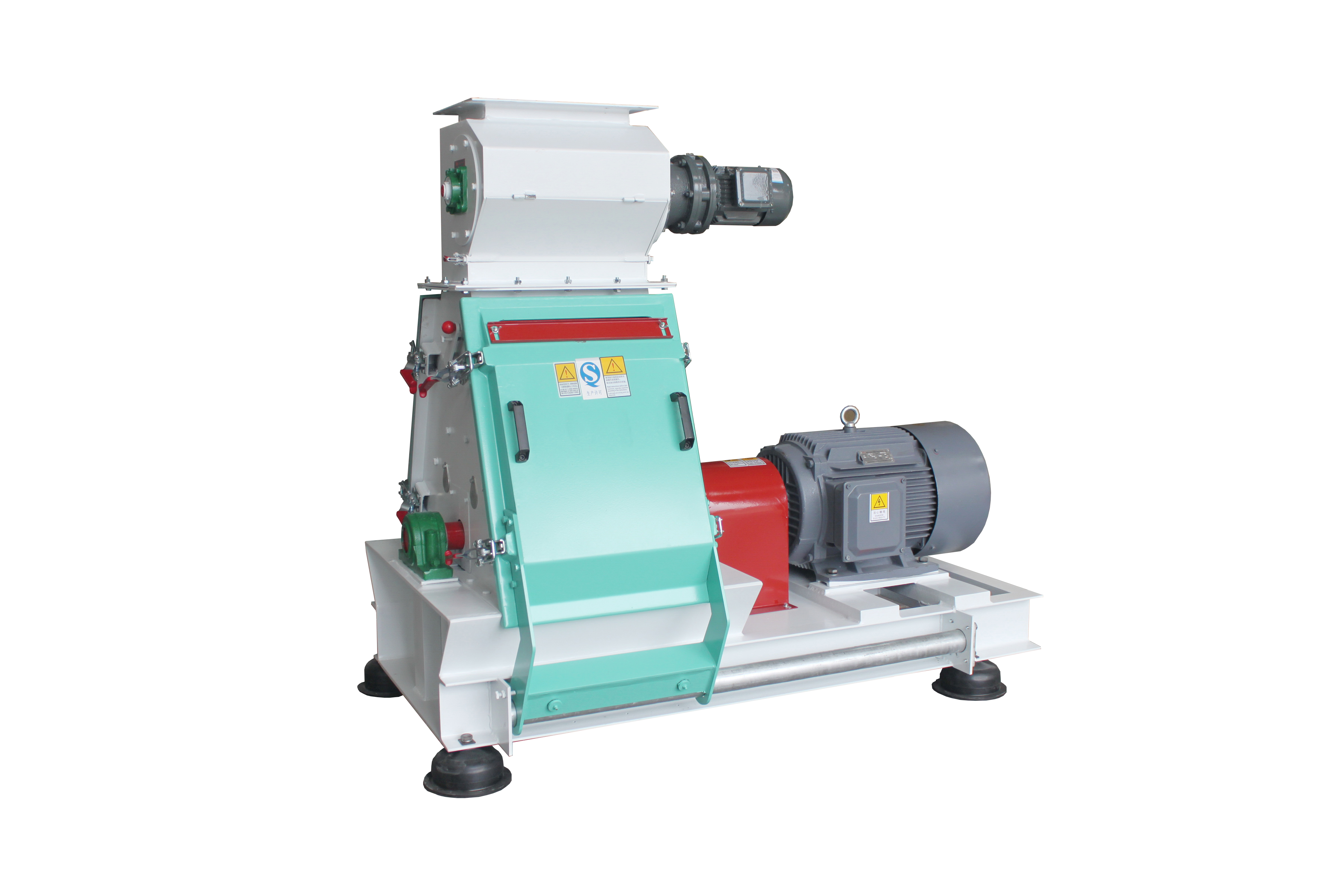
1. Feed Hammer Mill (Grinding Machine)
The hammer mill serves as the initial processing stage, breaking down raw materials into appropriate particle sizes. Our waterdrop-type hammer mill features:
- 25% higher production capacity compared to traditional models
- “Mountain-shaped” secondary impact structure for uniform grinding
- Versatile application for coarse, fine, and ultra-fine grinding
- Suitable for premium livestock feed, aquatic feed, and industrial raw materials
This machine can process corn, soybean meal, wheat bran, rice bran, and other grain materials with moisture content below 18%, producing particles sized between 20-80 mesh according to different feed formulations.
2. Feed Mixer (Blending Machine)
The double-shaft paddle mixer ensures homogeneous mixing of various ingredients:
- Short mixing cycle of 30-90 seconds per batch
- Uniformity coefficient CV≤5% with no segregation
- Optional atomizing spray system for liquid addition (molasses, oils)
- Capacity range from 500kg to 10,000kg per batch
This mixer is ideal for blending powdered and granular materials in feed, food, and chemical industries, achieving precise formulation control for different animal nutrition requirements.
3. Feed Pellet Mill (Granulating Machine)
The ring die pellet machine converts mixed powder into uniform pellets:
- Dual-motor narrow belt drive for stable operation
- High output with low noise (below 85dB)
- Pellet diameter range: 2-12mm adjustable
- Annual sales volume of 500+ units in domestic market
Our pellet mills produce high-quality feed pellets with smooth surface, uniform hardness, and good water stability, suitable for poultry, livestock, and aquatic species. The pelletizing process improves feed digestibility and reduces waste during feeding.
4. Supporting Equipment
A complete production line also requires:
- Cooler: Reduces pellet temperature and moisture content
- Crumbler: Breaks large pellets into smaller sizes
- Sifter: Removes fines and oversized particles
- Packing machine: Automated weighing and packaging
- Conveying system: Bucket elevators and screw conveyors
- Dust collection system: Cyclone separator and pulse dust collector
Factors Influencing Feed Production Line Cost
The total investment for a feed production line varies significantly based on several key factors:
1. Production Capacity Requirements
Our turnkey projects cover capacity ranges from 1-30 tons per hour. Small-scale operations (1-5 TPH) typically require simpler equipment configurations, while larger facilities (10-30 TPH) need more robust machinery with higher automation levels. The capacity directly impacts equipment size, motor power, and overall investment.
2. Equipment Configuration Level
We offer three standard configuration levels:
| Configuration | Equipment Features | Price Range |
|---|---|---|
| Basic | Manual operation, standard components | $30,000-$80,000 |
| Standard | Semi-automatic, energy-efficient motors | $80,000-$150,000 |
| Premium | Fully automatic, PLC control, premium components | $150,000-$500,000+ |
3. Customization Requirements
Special requirements such as:
- Specific pellet sizes or shapes
- Multi-formula production capability
- Integration with existing facilities
- Compliance with local regulations
- Special material handling needs
These factors may require equipment modifications or additional components, affecting the final cost.
4. After-sales Service Package
Our comprehensive service includes:
- On-site installation and commissioning
- Operator training program
- 1-year warranty with lifetime maintenance
- 24/7 technical support
- Spare parts supply
The service package selection impacts the total project cost but ensures long-term reliable operation of your feed production line.
How to Select Reliable Feed Machinery Suppliers
Choosing the right equipment supplier is crucial for project success. Consider these key factors:
1. Manufacturing Capability
Verify the supplier’s production facilities, quality control systems, and certification status. As an ISO9001 certified manufacturer with 10,000㎡ factory space, we maintain strict quality standards throughout the production process.
2. Product Range and Specialization
Look for suppliers specializing in feed machinery rather than general equipment manufacturers. Our product portfolio covers all essential feed production equipment, ensuring compatibility and optimized system design.
3. Technical Support and Service
Evaluate the supplier’s technical team strength and service network. Our engineering team with 15+ years of experience provides professional solutions for different feed types and production requirements.
4. Market Reputation and References
Check customer reviews and project cases. We’ve successfully completed 200+ feed factory projects worldwide, serving clients in 50+ countries with positive feedback on equipment performance and service quality.
5. Cost-performance Ratio
Compare not just prices but total value including equipment quality, production efficiency, energy consumption, and maintenance costs. Our equipment offers excellent durability with 10+ years of reliable service life.
FAQ
What is the typical payback period for a feed production line investment?
The payback period depends on production capacity, raw material costs, feed selling prices, and operating efficiency. For a 5 TPH line producing premium poultry feed, clients typically recover their investment within 18-24 months through cost savings and increased production capacity.
How to determine the right production capacity for my feed factory?
Consider factors including local market demand, target customer base, available capital, and future expansion plans. We recommend starting with 60-70% of your maximum capacity to allow room for growth. Our team can help analyze your specific situation to recommend optimal capacity.
What are the main differences between livestock feed and aquatic feed production?
Aquatic feed requires smaller particle sizes (0.5-2mm), higher protein content, and better water stability. This requires specialized equipment configurations including micro-grinding systems, extrusion processes for floating feed, and precise formulation control. We offer dedicated solutions for different aquatic species.
How to ensure consistent feed quality during production?
Quality control requires: 1) Accurate weighing and mixing systems, 2) Proper grinding particle size control, 3) Stable pelletizing conditions, 4) Effective cooling and drying processes, 5) Regular equipment maintenance. Our equipment features advanced control systems to maintain consistent production parameters.
Summary
Building an efficient feed production line requires careful planning and professional guidance. Jiangsu Huamu Machinery offers complete solutions from single equipment supply to full turnkey projects, helping clients worldwide establish modern feed factories with optimal cost-performance ratios. With our ISO9001 certified equipment, experienced engineering team, and comprehensive after-sales service, we ensure your feed production operation achieves maximum efficiency and profitability. Contact us today for a customized proposal tailored to your specific requirements.