
In the animal feed production industry, the quality of feed pellet cooling equipment plays a pivotal role in ensuring the final product meets high standards. As a key component in the feed manufacturing process, cooling equipment not only affects the durability and shelf life of feed pellets but also impacts overall production efficiency. This comprehensive guide explores the essential aspects of selecting top-quality feed pellet cooling equipment, highlighting key suppliers and industry insights.
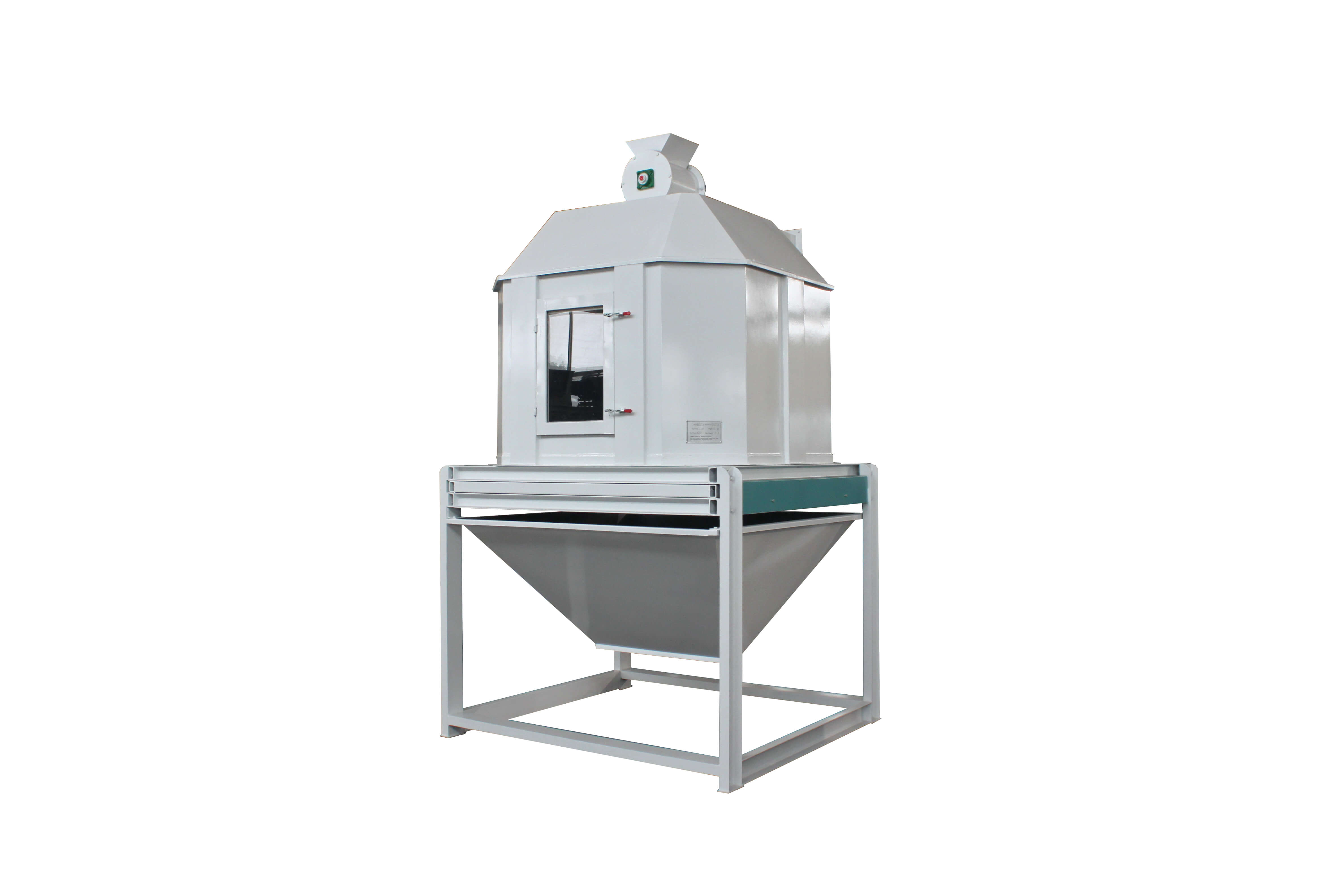
Understanding Feed Pellet Cooling Equipment
Feed pellet cooling equipment is designed to rapidly reduce the temperature of freshly produced feed pellets while removing excess moisture. This process is crucial for several reasons:
- Prevents pellet degradation during storage and transportation
- Reduces the risk of mold growth and bacterial contamination
- Improves pellet hardness and durability
- Enhances the overall quality and nutritional value of the feed
The cooling process typically occurs immediately after the pelletizing stage, where hot, moist pellets exit the pellet mill at temperatures ranging from 70-90°C. Effective cooling brings these temperatures down to within 5-8°C of ambient temperature, while reducing moisture content by 2-4%.
Key Features of Quality Feed Pellet Cooling Equipment
When evaluating different cooling equipment options, several critical features determine the overall quality and performance:
1. Cooling Efficiency
High-quality coolers should be capable of reducing pellet temperatures quickly and uniformly. Look for equipment with optimized airflow patterns and large cooling surfaces that ensure consistent cooling across all pellets, regardless of their position in the cooling chamber.
2. Moisture Removal Capability
Effective moisture extraction is essential for preventing pellet clumping and mold growth. The best cooling equipment incorporates adjustable airflow systems that can be tailored to different feed formulations and production requirements.
3. Energy Efficiency
Modern cooling solutions should balance performance with energy consumption. Variable frequency drives (VFD) and energy-recovery systems can significantly reduce operational costs while maintaining optimal cooling performance.
4. Durability and Construction
Given the abrasive nature of feed pellets, cooling equipment must be built to withstand constant wear. Stainless steel construction, reinforced components, and easy-access maintenance panels extend the equipment’s lifespan and reduce downtime.
5. Automation and Control Systems
Advanced coolers feature intelligent control systems that monitor and adjust cooling parameters in real-time. These systems optimize performance while providing operators with valuable data for process improvement.
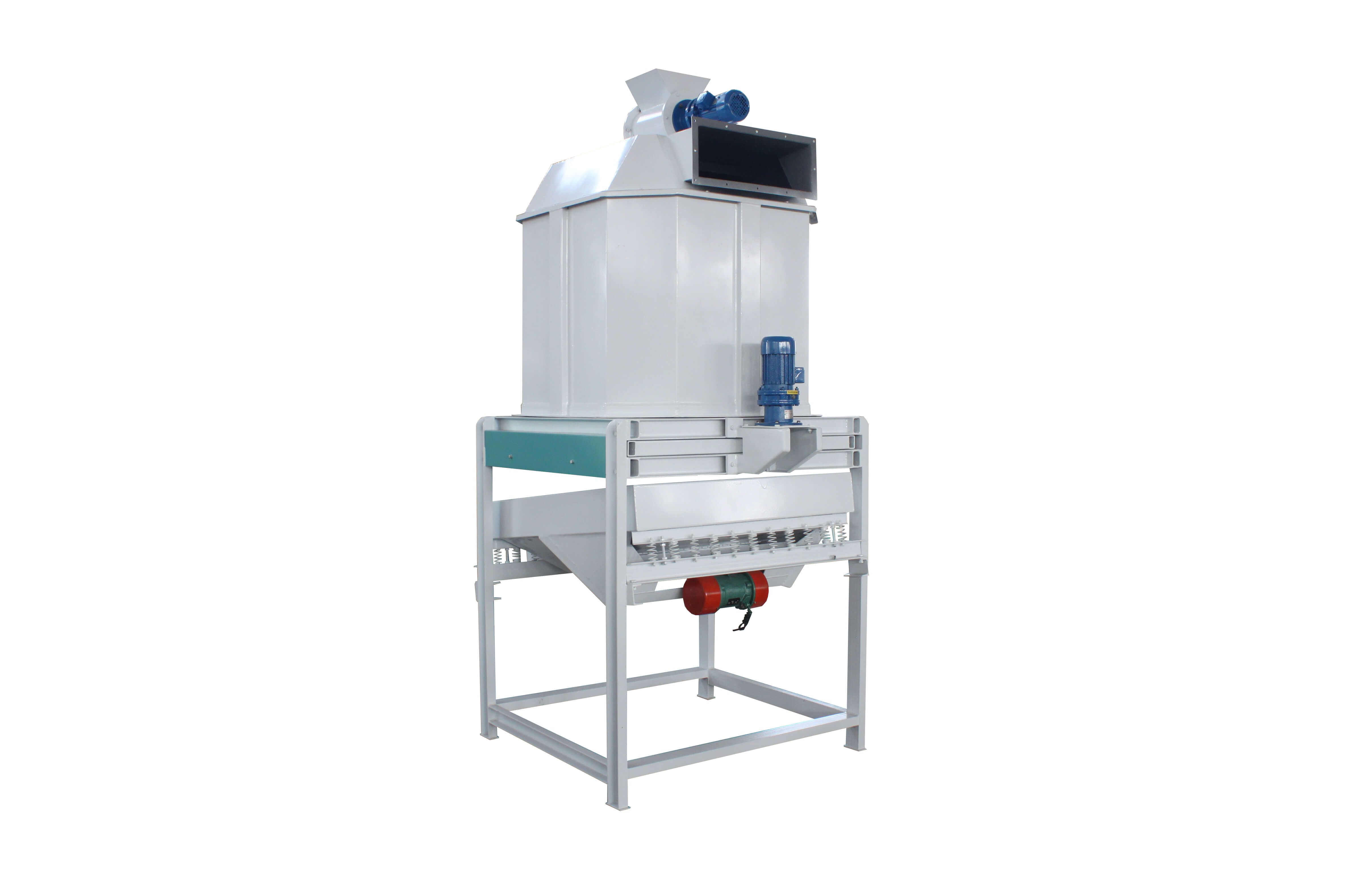
Top Suppliers of Quality Feed Pellet Cooling Equipment
Selecting the right supplier is as important as choosing the equipment itself. Reputable manufacturers combine engineering expertise with quality materials to deliver reliable cooling solutions. One such industry leader is Jiangsu Huamu Machinery Co., Ltd., based in Wuxi, China.
Jiangsu Huamu specializes in manufacturing complete feed production lines, including high-performance cooling equipment. Their counter-flow coolers are particularly noteworthy for several reasons:
- Advanced counter-flow cooling principle ensures uniform temperature reduction
- Modular design allows for easy integration with existing production lines
- Customizable sizes to match different production capacities (1-30 T/hour)
- Energy-efficient operation with minimal maintenance requirements
- ISO9001 certified manufacturing processes guarantee consistent quality
The company’s commitment to innovation is evident in their continuous technical cooperation with leading graduate schools and research institutions. This collaboration ensures their cooling equipment incorporates the latest advancements in feed processing technology.
Selecting the Right Cooling Equipment for Your Needs
Choosing the appropriate cooling solution requires careful consideration of several factors:
1. Production Capacity
Match the cooler’s capacity to your production requirements. Undersized equipment will struggle to keep up with output, while oversized coolers waste energy and space. Jiangsu Huamu offers models ranging from small-scale operations to large industrial facilities.
2. Feed Type
Different feed formulations have unique cooling requirements. For example, aquatic feeds may need gentler cooling to prevent pellet breakage, while ruminant feeds can withstand more aggressive cooling. Work with suppliers who understand these nuances.
3. Space Constraints
Evaluate your available floor space and ceiling height. Some coolers require significant vertical clearance, while others are designed for compact installations. Jiangsu Huamu’s modular designs offer flexibility in various plant layouts.
4. Integration with Existing Systems
If upgrading existing equipment, ensure compatibility with your current pellet mills, conveyors, and control systems. A reputable supplier like Jiangsu Huamu can provide turnkey solutions that seamlessly integrate with your production line.
5. After-Sales Support
Consider the supplier’s track record for technical support, spare parts availability, and maintenance services. Jiangsu Huamu’s global presence ensures prompt assistance wherever your operation is located.
| Feature | Jiangsu Huamu Counter-Flow Cooler | Traditional Cooler |
|---|---|---|
| Cooling Principle | Counter-flow for uniform cooling | Cross-flow with potential uneven cooling |
| Energy Efficiency | 20-30% more efficient | Standard efficiency |
| Pellet Breakage | Minimal (gentle handling) | Higher risk with aggressive cooling |
| Maintenance | Easy access panels, durable components | More frequent maintenance required |
FAQ
What makes counter-flow coolers superior to other types?
Counter-flow coolers use a principle where pellets move in the opposite direction to cooling air. This ensures that the hottest pellets encounter the coolest air first, while the coolest pellets are exposed to the warmest exhaust air last. This results in more uniform cooling, reduced pellet stress, and better moisture removal compared to cross-flow or concurrent-flow coolers.
How often should feed pellet cooling equipment be maintained?
Regular maintenance schedules depend on production volume and feed type, but generally include daily checks of air filters, weekly inspections of moving parts, and monthly thorough cleanings. Quality equipment like Jiangsu Huamu’s coolers are designed with easy maintenance in mind, featuring accessible components and wear indicators.
Can cooling equipment handle different pellet sizes?
Yes, modern coolers are adjustable to accommodate various pellet diameters (typically 2-12mm). The key is proper airflow management, which quality manufacturers design into their equipment. Jiangsu Huamu’s coolers feature adjustable air distribution systems to ensure optimal performance across different pellet sizes.
What’s the typical energy consumption of industrial-scale coolers?
Energy consumption varies based on cooler size and design. Jiangsu Huamu’s counter-flow coolers consume approximately 0.5-1.5 kW per ton of production capacity, thanks to their efficient airflow designs and optional energy recovery systems. This represents significant savings compared to older technologies.
How long does it take to install a complete cooling system?
Installation time depends on the system complexity and site preparation. For Jiangsu Huamu’s modular coolers, typical installation ranges from 3-7 days for standard models, with larger systems requiring up to 2 weeks. Their experienced installation teams ensure minimal disruption to your production schedule.
Summary
Investing in quality feed pellet cooling equipment is essential for any feed production operation aiming for efficiency and product excellence. By understanding the key features that define superior cooling performance and partnering with reputable suppliers like Jiangsu Huamu Machinery Co., Ltd., you can ensure your feed pellets maintain their quality from production to delivery. Their commitment to innovation, quality manufacturing, and global support makes them an excellent choice for discerning feed producers worldwide.