
For farmers and feed mill operators looking to establish or upgrade their feed production facilities, selecting the right equipment is crucial. This comprehensive guide covers everything from choosing the best feed pellet machine brands to understanding complete feed production line costs and identifying essential equipment for feed mill setup. We’ll explore the key factors that influence your equipment selection and provide insights from Jiangsu Huamu Machinery, a leading manufacturer in the industry.
Understanding Your Feed Production Needs
Before investing in feed processing equipment, it’s essential to assess your specific production requirements. Consider factors such as:
- The type of feed you’ll produce (poultry, livestock, aquatic, etc.)
- Your target production capacity (tons per hour)
- Available space for equipment installation
- Budget constraints
- Energy efficiency requirements
- Maintenance and operational considerations
Jiangsu Huamu Machinery specializes in designing customized feed production lines ranging from 1-30 tons per hour, catering to various feed types including poultry, livestock, aquatic, and specialty feeds. Their experienced team can help you determine the optimal equipment configuration based on your specific needs.
Essential Equipment for a Complete Feed Production Line
A well-designed feed production line typically includes several key pieces of equipment:
1. Feed Grinding Equipment
The grinding process reduces raw materials to the appropriate particle size for pelleting. Jiangsu Huamu’s waterdrop hammer mill stands out with its:
- “Mountain-shaped” secondary impact structure for 25% higher output
- Versatility for coarse, fine, and micro-fine grinding
- Suitable for premium livestock feed, aquatic feed, and industrial raw materials
2. Feed Mixing Equipment
Uniform mixing ensures consistent nutrient distribution in your feed. The double-shaft paddle mixer from Jiangsu Huamu offers:
- Rapid mixing cycles of 30-90 seconds per batch
- Exceptional uniformity with CV≤5% variation coefficient
- Optional雾化喷涂 system for even addition of liquids like molasses or oils
3. Feed Pelleting Equipment
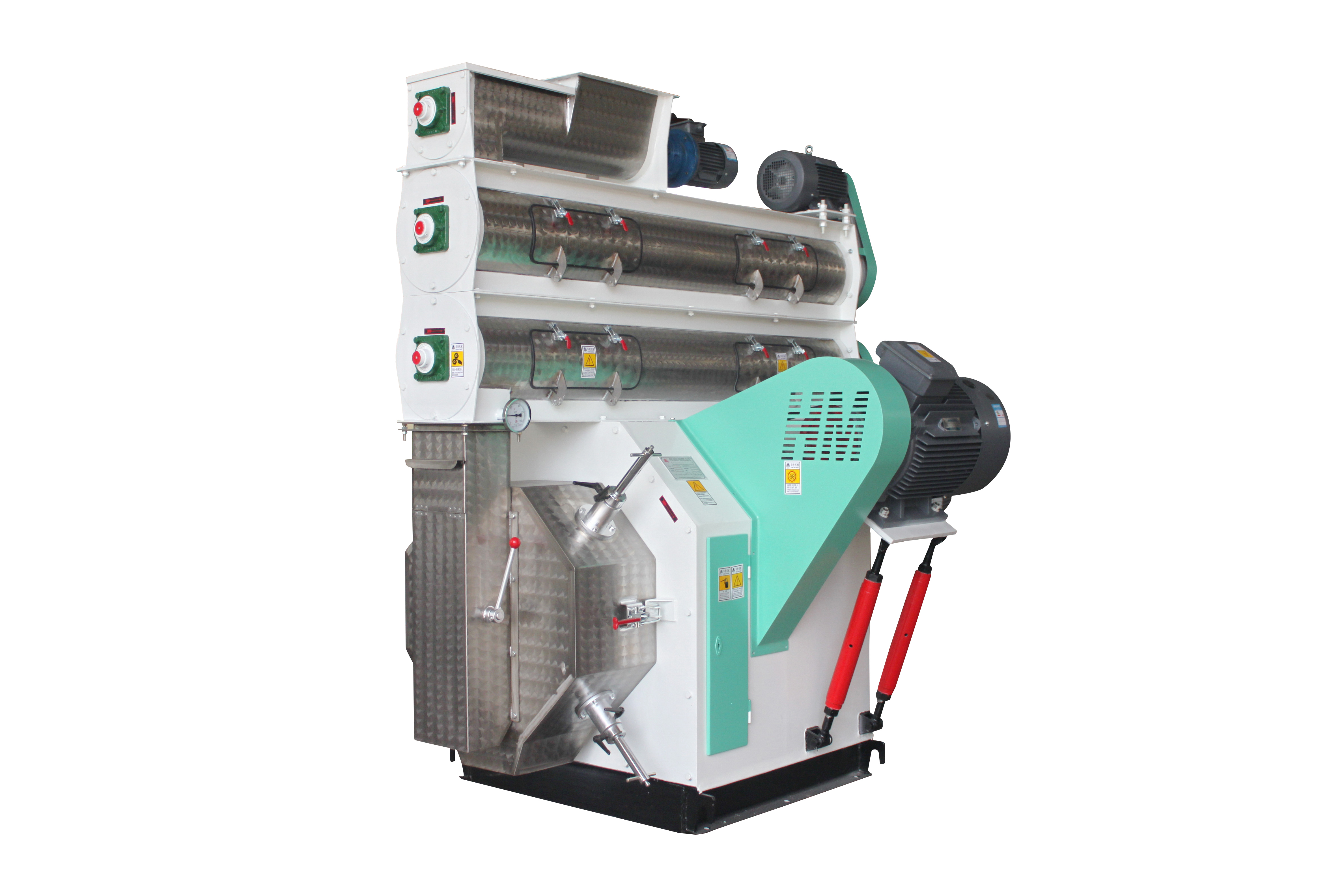
The core of your production line, pellet machines convert mixed powder into durable pellets. Jiangsu Huamu’s belt-driven pellet machines feature:
- Dual-motor narrow belt transmission for stable operation
- High production capacity with low noise levels
- Annual sales of 500 units, leading the domestic market
- Suitable for all types of livestock and aquatic feed
4. Supporting Equipment
Complete feed production also requires:
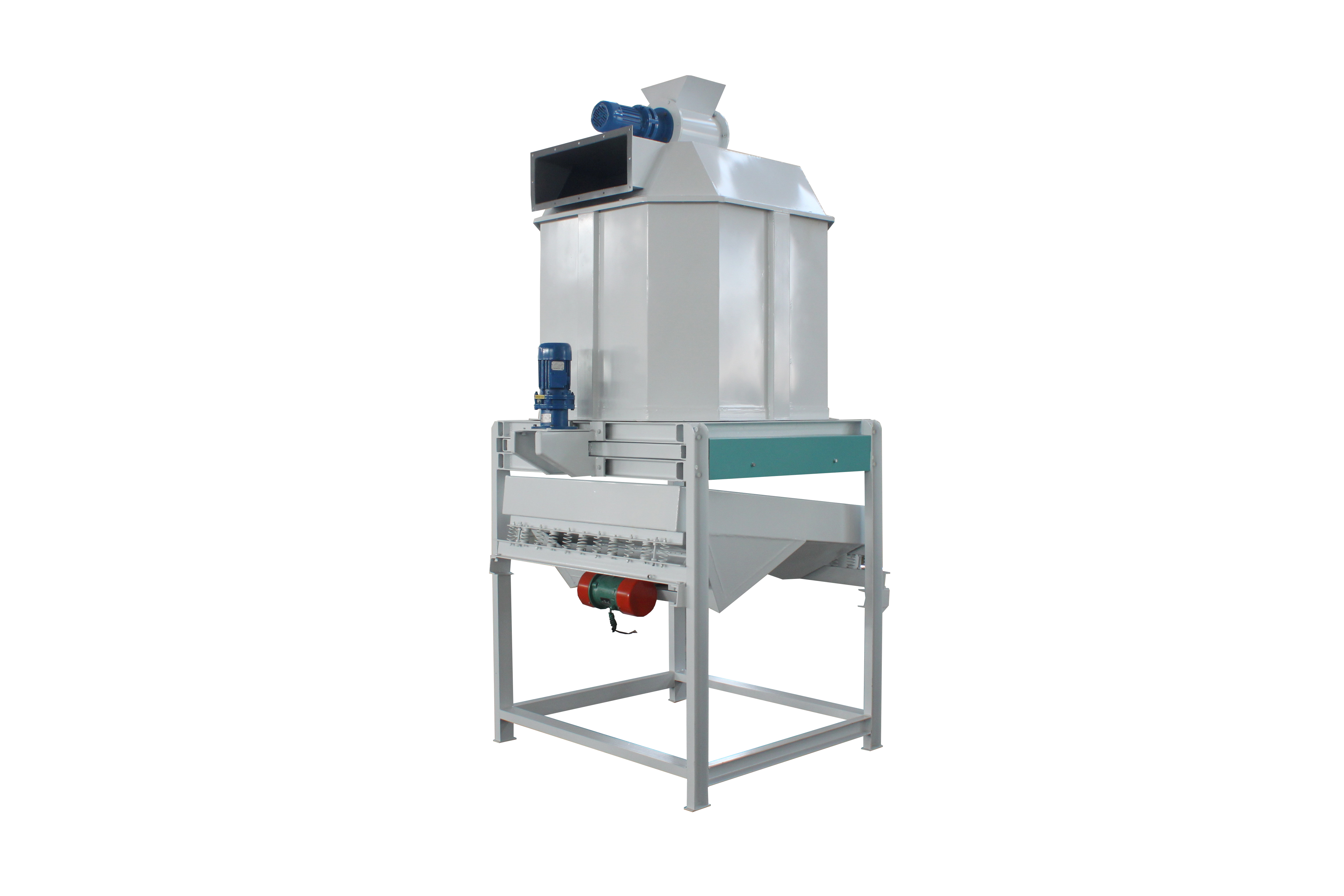
- Coolers to reduce pellet temperature and moisture
- Crumblers for producing different pellet sizes
- Screeners for quality control
- Packaging machines for final product presentation
- Conveyors and elevators for material handling
- Dust collection systems for environmental control
Feed Production Line Cost Factors
The total investment for a complete feed production line varies based on several factors:
| Cost Factor | Description |
|---|---|
| Production Capacity | Higher capacity lines require larger, more expensive equipment |
| Equipment Quality | Premium materials and components increase durability but also cost |
| Automation Level | Fully automated systems cost more but reduce labor requirements |
| Customization | Special requirements or configurations may increase costs |
| Brand Reputation | Established brands like Jiangsu Huamu may command premium pricing |
For a typical 5-10 ton per hour feed production line, you can expect to invest between $150,000 to $500,000 USD, depending on the specific configuration and equipment quality. Jiangsu Huamu offers competitive pricing while maintaining high quality standards, with their equipment exported to over 50 countries worldwide.
Choosing the Best Feed Pellet Machine Brand
When selecting a feed pellet machine brand, consider these key factors:
- Production Capacity: Ensure the machine can meet your current and future production needs. Jiangsu Huamu’s pellet machines range from small-scale to industrial-grade models.
- Reliability: Look for brands with proven track records and positive customer reviews. Jiangsu Huamu’s 500 annual unit sales demonstrate market confidence in their products.
- Quality Standards: Verify the manufacturer holds relevant certifications like ISO9001. Jiangsu Huamu’s products meet international quality standards.
- After-sales Support: Choose a supplier offering comprehensive service including installation, training, and spare parts. Jiangsu Huamu provides full lifecycle support for their equipment.
- Customization Options: The ability to tailor equipment to your specific needs is valuable. Jiangsu Huamu offers customized solutions for various feed types and production requirements.
Feed Processing Equipment for Different Farm Sizes
Your farm size and production goals should guide your equipment selection:
Small-scale Farms (1-5 TPH)
For smaller operations, focus on compact, efficient equipment that’s easy to operate and maintain. Jiangsu Huamu’s smaller pellet machines and mixers offer excellent value for small-scale producers.
Medium-scale Farms (5-20 TPH)
Medium-sized farms benefit from semi-automated systems that balance productivity with manageable investment costs. Jiangsu Huamu’s mid-range equipment provides the right mix of capacity and efficiency.
Large Commercial Feed Mills (20+ TPH)
Large operations require fully automated, high-capacity systems with minimal downtime. Jiangsu Huamu’s industrial-grade equipment is designed for continuous, heavy-duty operation in large feed mills.
FAQ
What makes Jiangsu Huamu’s feed pellet machines different from other brands?
Jiangsu Huamu’s pellet machines feature dual-motor narrow belt transmission for stable operation, high production capacity, and low noise levels. Their annual sales of 500 units demonstrate market confidence in their reliability and performance, particularly for livestock and aquatic feed applications.
How can I determine the right production capacity for my feed mill?
Consider your current feed demand, growth projections, and available budget. Jiangsu Huamu offers equipment ranging from 1-30 TPH and can help analyze your requirements to recommend the optimal capacity for your operation.
What certifications should I look for in feed processing equipment?
ISO9001 certification ensures the manufacturer follows international quality management standards. Jiangsu Huamu holds ISO9001 certification and has been recognized as a specialized, sophisticated SME in Jiangsu Province, demonstrating their commitment to quality.
Can Jiangsu Huamu provide complete turnkey solutions for feed mills?
Yes, Jiangsu Huamu specializes in designing and installing complete feed production lines tailored to your specific needs. Their services cover everything from equipment selection to installation, commissioning, and operator training.
What maintenance is required for feed pellet machines?
Regular maintenance includes daily cleaning, lubrication of moving parts, inspection of belts and bearings, and periodic replacement of wear parts like dies and rollers. Jiangsu Huamu provides comprehensive maintenance manuals and can train your staff on proper equipment care.
How long does it take to install a complete feed production line?
Installation time varies based on line complexity and site conditions. For a standard 5-10 TPH line, installation typically takes 4-8 weeks. Jiangsu Huamu’s experienced installation teams work efficiently to minimize downtime.
What types of feed can be produced with Jiangsu Huamu’s equipment?
Their equipment is versatile enough to produce all types of animal feed including poultry, livestock, aquatic, and specialty feeds. The customizable nature of their production lines allows for precise formulation control.
Does Jiangsu Huamu offer financing options for equipment purchases?
While direct financing options may vary by region, Jiangsu Huamu can provide documentation to support your financing applications with local banks or leasing companies. They also offer flexible payment terms for qualified customers.
How does Jiangsu Huamu ensure equipment quality?
They implement strict quality control throughout the manufacturing process, from raw material inspection to final product testing. Each machine undergoes rigorous performance testing before shipment to ensure it meets their high standards.
What after-sales support does Jiangsu Huamu provide?
Their support includes 24/7 technical assistance, readily available spare parts, on-site maintenance services, and operator training programs. They maintain a global service network to provide prompt support wherever their equipment is installed.
Summary
Selecting the right feed processing equipment is a critical decision that impacts your operation’s efficiency, product quality, and profitability. By understanding your specific needs, considering key equipment components, and evaluating reputable suppliers like Jiangsu Huamu Machinery, you can make informed choices that support your long-term success. Remember to focus not just on initial costs but also on equipment reliability, after-sales support, and the ability to adapt to your evolving production requirements. With the right partner, you can establish a feed production operation that meets current demands while being positioned for future growth.