
Selecting the right feed pellet cooling equipment is crucial for ensuring the quality and efficiency of your feed production process. Whether you are producing feed for livestock, poultry, or aquatic animals, the cooling stage plays a vital role in maintaining the nutritional value and physical properties of the pellets. In this comprehensive guide, we will explore the key factors to consider when choosing feed pellet cooling equipment, recommend some top suppliers, and provide valuable insights from Jiangsu Huamu Machinery Co., Ltd., a leading manufacturer in the industry.
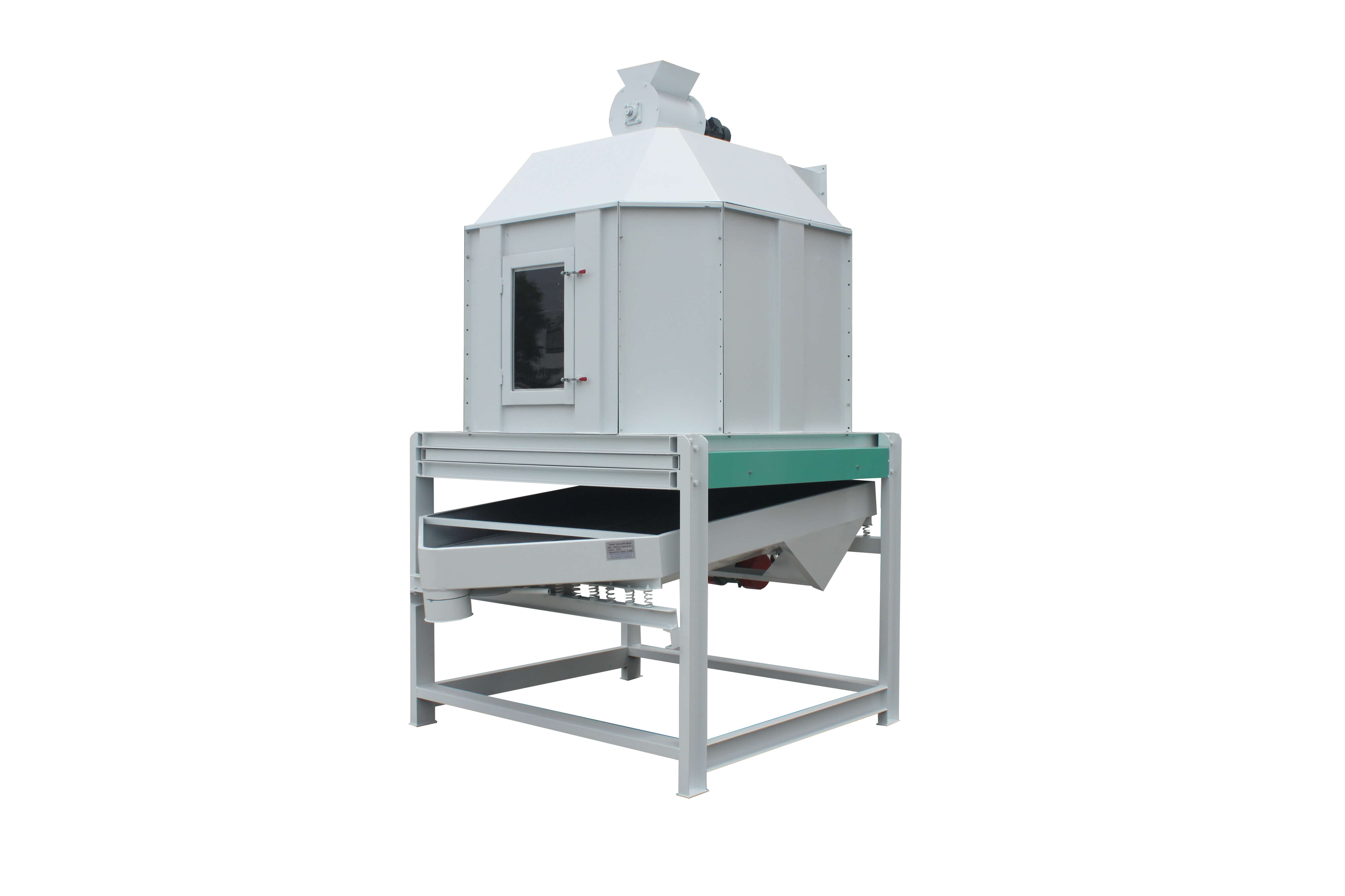
Understanding the Importance of Feed Pellet Cooling
Feed pellet cooling is an essential step in the feed production process. After the pellets are formed through extrusion or compression, they are typically hot and moist. If not properly cooled, these pellets can become moldy, lose their shape, or degrade in nutritional value. Effective cooling helps to:
- Reduce moisture content to prevent mold growth
- Lower pellet temperature to safe storage levels
- Improve pellet durability and reduce dust generation
- Maintain nutritional integrity of the feed
By investing in high-quality feed pellet cooling equipment, you can ensure that your feed products meet the highest standards of quality and safety, ultimately benefiting both your animals and your business.
Key Factors to Consider When Selecting Feed Pellet Cooling Equipment
Choosing the right cooling equipment for your feed pellets involves evaluating several important factors. Here are the key considerations to keep in mind:
1. Cooling Capacity
The cooling capacity of the equipment should match your production output. Consider factors such as the tonnage per hour of your feed mill and the specific requirements of different feed types (e.g., poultry, livestock, aquatic). Jiangsu Huamu offers a range of coolers with capacities from 1-30 tons per hour, ensuring a perfect fit for any scale of operation.
2. Cooling Efficiency
Look for equipment that provides rapid and uniform cooling. Efficient cooling reduces the risk of pellet cracking and ensures consistent quality throughout the batch. Our counter-flow coolers are designed to maximize cooling efficiency by allowing hot pellets to come into contact with cool air in a controlled manner.
3. Energy Consumption
Energy efficiency is an important consideration for reducing operational costs. Choose cooling equipment that optimizes airflow and minimizes power usage without compromising performance. Jiangsu Huamu’s coolers are engineered to deliver high performance with low energy consumption.
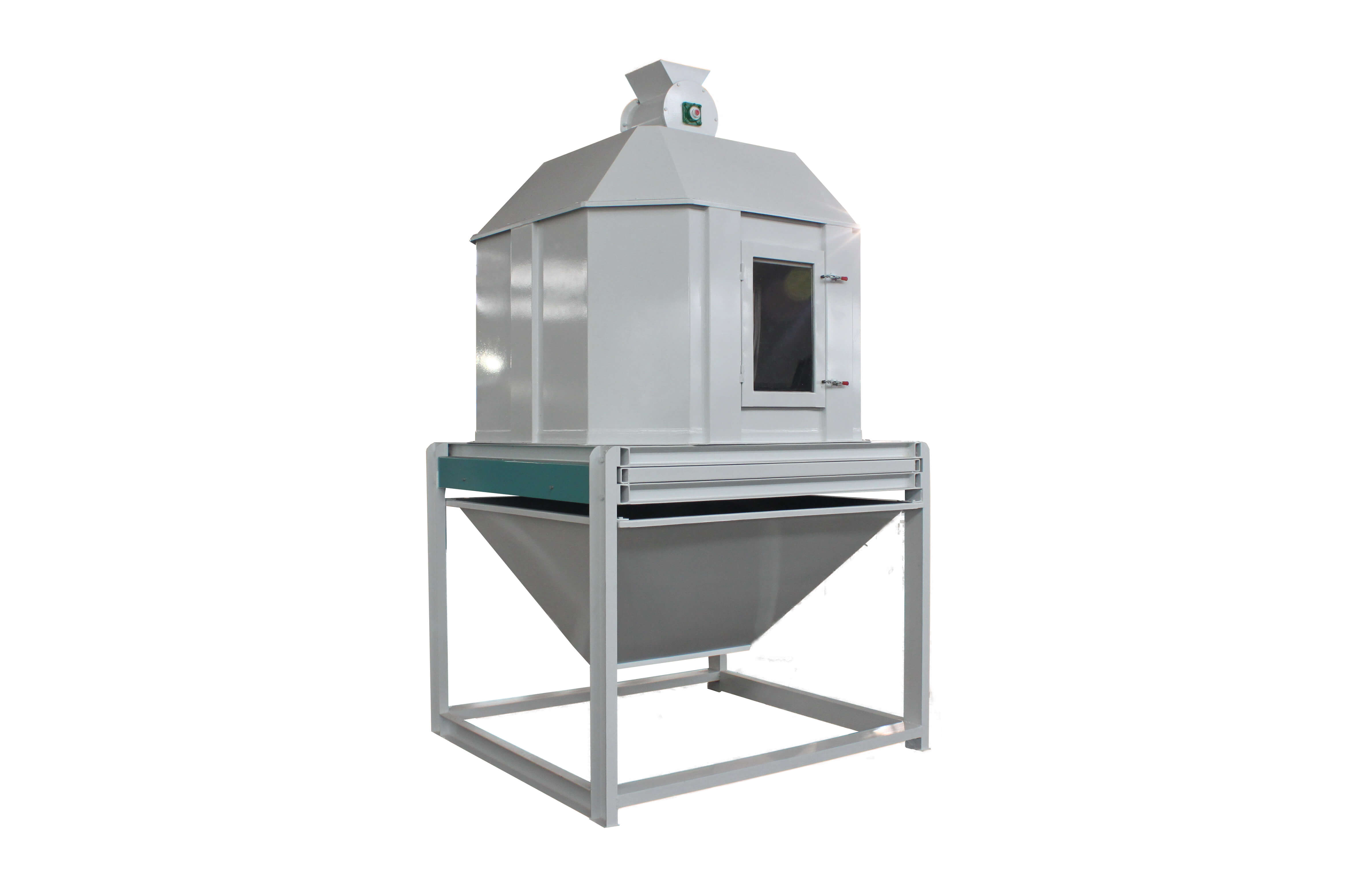
4. Durability and Maintenance
Invest in equipment built with high-quality materials that can withstand the rigors of continuous operation. Easy access for cleaning and maintenance is also crucial for minimizing downtime. Our coolers feature robust construction and user-friendly designs for long-lasting performance and simple upkeep.
5. Customization Options
Every feed production facility has unique requirements. Look for suppliers that offer customization options to tailor the cooling equipment to your specific needs. Jiangsu Huamu provides personalized solutions, including different air volume configurations and discharge mechanisms, to perfectly match your production process.
6. After-Sales Support
Reliable after-sales service is essential for ensuring the smooth operation of your equipment. Choose a supplier that offers comprehensive support, including installation, training, spare parts availability, and technical assistance. As an ISO9001 certified company, Jiangsu Huamu is committed to providing exceptional customer service throughout the lifecycle of your equipment.
Top Feed Pellet Cooling Equipment Suppliers
When it comes to selecting a supplier for your feed pellet cooling equipment, it’s important to choose a reputable company with a proven track record. Here are some top suppliers to consider:
1. Jiangsu Huamu Machinery Co., Ltd.
As a specialized manufacturer of feed machinery located in Wuxi, China, Jiangsu Huamu has been providing high-quality products and considerate service to the feed industry for years. Our cooler products are designed to meet the diverse needs of feed production, offering efficient cooling solutions for various types of feed pellets.
Our coolers feature advanced counter-flow cooling technology, which ensures uniform cooling and minimal energy consumption. With capacities ranging from 1-30 tons per hour, we can provide solutions for both small-scale and large-scale feed mills. Additionally, our experienced team offers comprehensive services, including design, installation, and after-sales support, to ensure the optimal performance of your cooling equipment.
2. Company B (Hypothetical Example)
Company B is another well-known supplier of feed pellet cooling equipment, offering a range of models suitable for different production scales. They emphasize innovation in their designs and provide good customer support.
3. Company C (Hypothetical Example)
Company C specializes in energy-efficient cooling solutions, with a focus on reducing operational costs for feed producers. They offer customizable options to fit various feed mill layouts.
Installation and Operation Tips for Feed Pellet Cooling Equipment
Proper installation and operation are crucial for maximizing the performance and lifespan of your feed pellet cooling equipment. Here are some essential tips:
1. Correct Installation
Ensure that the cooling equipment is installed on a level surface to prevent uneven cooling and potential damage to the machine. Follow the manufacturer’s installation guidelines carefully, and consider hiring professional installers if needed.
2. Optimal Airflow
Maintain proper airflow through the cooler by regularly cleaning the air filters and ensuring that the ventilation system is functioning correctly. This helps to prevent blockages and ensures efficient cooling.
3. Regular Maintenance
Implement a regular maintenance schedule to keep the cooling equipment in top condition. This includes checking for wear and tear, lubricating moving parts, and replacing any damaged components promptly.
4. Monitoring Performance
Use sensors and monitoring systems to track the performance of your cooling equipment continuously. This allows you to identify any issues early and make adjustments as needed to maintain optimal cooling efficiency.
FAQ
What is the ideal cooling time for feed pellets?
The ideal cooling time for feed pellets depends on several factors, including the initial temperature of the pellets, the desired final temperature, and the cooling capacity of your equipment. Generally, it takes between 10-20 minutes to cool pellets from around 80-90°C down to 8-10°C above ambient temperature. Our counter-flow coolers are designed to achieve this efficiently while maintaining pellet quality.
How can I determine the right size of cooler for my feed mill?
To determine the right size of cooler for your feed mill, consider your production capacity in tons per hour and the specific cooling requirements of your feed types. Our experienced engineers can help you calculate the optimal cooling capacity based on these factors and recommend the most suitable model from our range of 1-30 ton per hour coolers.
What are the benefits of counter-flow cooling technology?
Counter-flow cooling technology offers several advantages over traditional cooling methods. It allows hot pellets to come into contact with cool air in a controlled manner, resulting in more uniform cooling and reduced energy consumption. This technology also helps to prevent pellet cracking and ensures consistent quality throughout the batch, making it ideal for high-quality feed production.
How often should I perform maintenance on my feed pellet cooler?
The frequency of maintenance for your feed pellet cooler depends on factors such as the intensity of use, the type of feed being processed, and the operating environment. As a general guideline, we recommend performing a thorough inspection and maintenance every 3-6 months. This includes checking for wear and tear, cleaning air filters, lubricating moving parts, and replacing any damaged components as needed.
Can Jiangsu Huamu provide customized cooling solutions for my specific needs?
Yes, at Jiangsu Huamu, we understand that every feed production facility has unique requirements. That’s why we offer customized cooling solutions tailored to your specific needs. Our team of experts can work with you to design a cooler that fits perfectly into your production process, taking into account factors such as available space, production capacity, and feed type. We also offer various customization options, including different air volume configurations and discharge mechanisms, to ensure optimal performance.
Summary
Selecting the right feed pellet cooling equipment is essential for ensuring the quality and efficiency of your feed production process. By considering factors such as cooling capacity, efficiency, energy consumption, durability, customization options, and after-sales support, you can make an informed decision that meets your specific needs. Jiangsu Huamu Machinery Co., Ltd. stands out as a reliable supplier, offering high-quality coolers with advanced counter-flow technology and comprehensive services. Whether you are producing feed for livestock, poultry, or aquatic animals, investing in the right cooling equipment will help you maintain the nutritional value and physical properties of your pellets, ultimately benefiting both your animals and your business.