
Setting up a feed factory or upgrading your existing livestock feed processing facilities requires careful consideration of various equipment types. Whether you’re establishing a new operation or looking to enhance your current setup, understanding the essentials of feed processing equipment is crucial. This comprehensive guide covers everything from selecting the right machinery to understanding pricing factors and identifying reputable brands in the market.
Essential Equipment for Building a Feed Factory
Constructing a feed factory involves several key pieces of equipment that work together to create high-quality feed products. The core machinery typically includes:
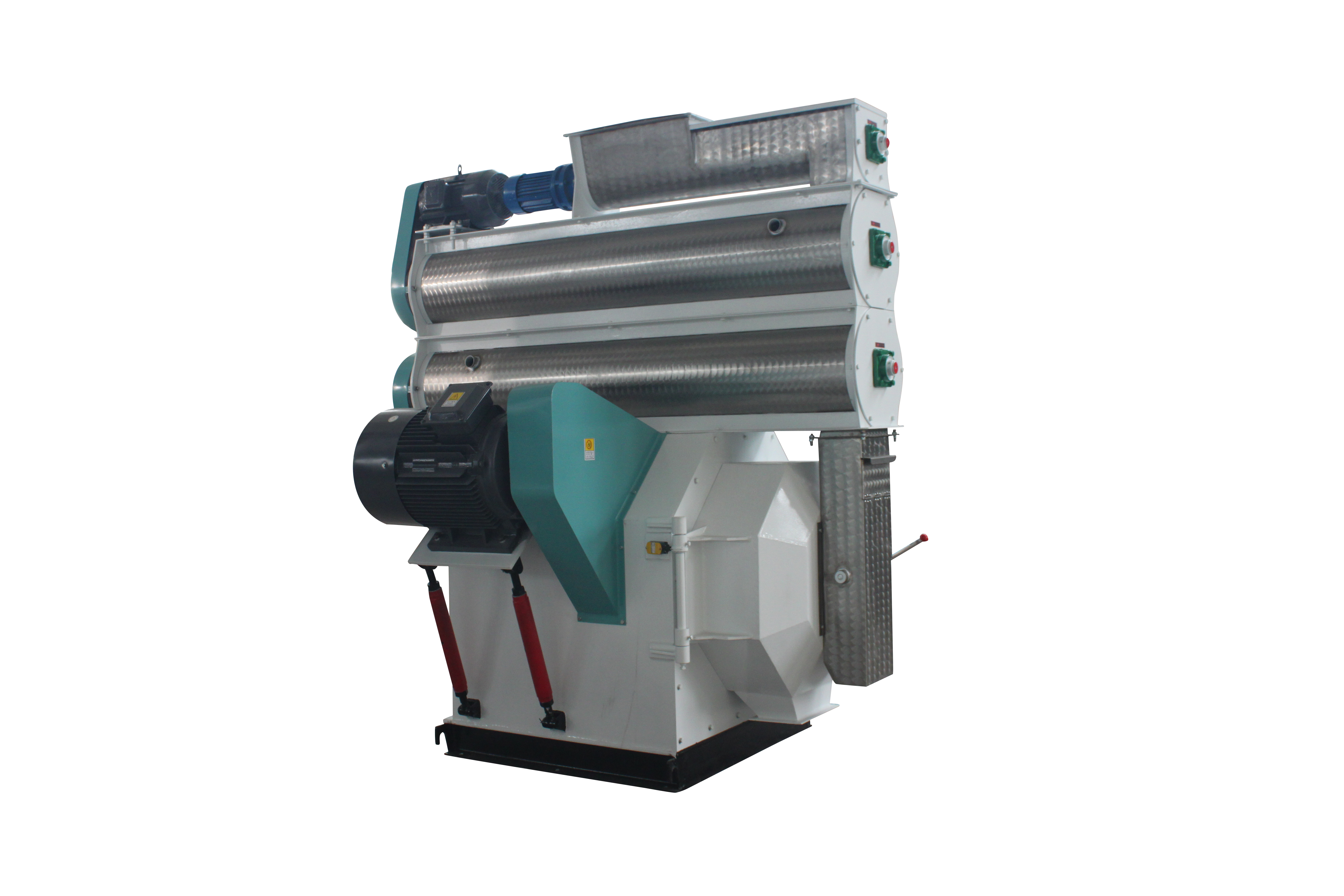
1. Feed Pellet Machine
The feed pellet machine is the heart of any feed production line. It transforms mixed powder materials into uniform pellets, which are easier to store, transport, and feed to animals. Jiangsu Huamu Machinery Co., Ltd. specializes in manufacturing high-quality ring die pellet machines that are known for their stability, high output, and low noise levels. These machines can produce 1-30 tons of pellets per hour, making them suitable for various scale operations.
2. Hammer Mill (Grinding Machine)
Before pelletizing, raw materials need to be ground to the appropriate particle size. Our waterdrop hammer mills feature a unique “mountain” shaped secondary striking structure that increases production capacity by 25% compared to traditional models. These versatile machines can handle coarse grinding, fine grinding, and even micro-grinding, making them ideal for premium livestock feed, aquatic feed, and industrial raw materials like those used in alcohol or citric acid production.
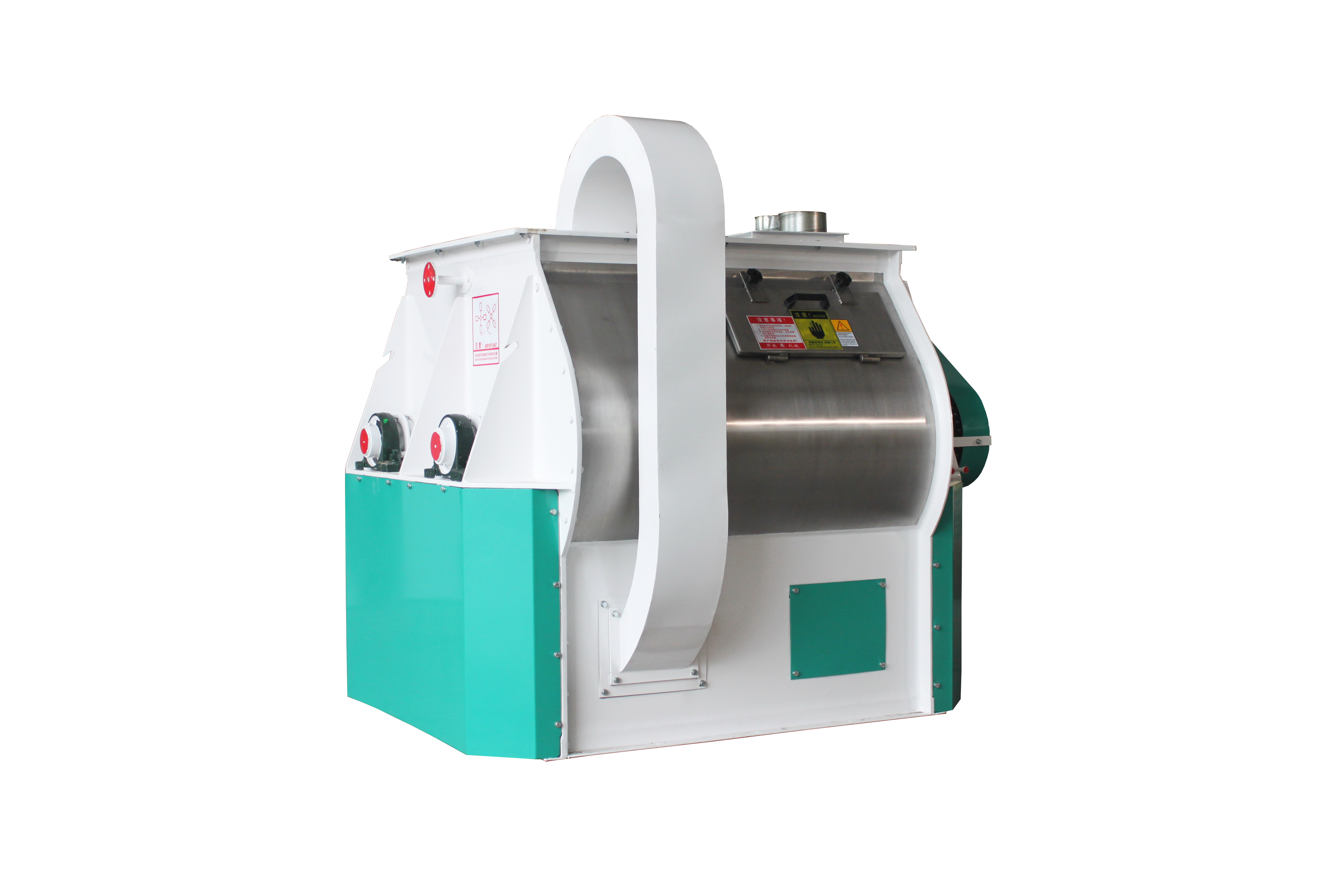
3. Mixer
Achieving uniform nutrient distribution in feed requires effective mixing. Our double-shaft paddle mixers complete a mixing cycle in just 30-90 seconds per batch with a coefficient of variation (CV) of ≤5%, ensuring no segregation occurs. These mixers can also be customized with a雾化喷涂 system (atomizing spray system) for even addition of liquids like molasses or oils, making them suitable for feed, food, and chemical industries.
4. Auxiliary Equipment
In addition to the core machinery, a complete feed factory requires several auxiliary equipment pieces:
- Cooler: Reduces pellet temperature and moisture content after pelletizing
- Crumbler: Breaks large pellets into smaller sizes for specific animal needs
- Screening Machine: Separates oversized or undersized particles for reprocessing
- Packaging Machine: Automates the weighing and packaging of finished feed
- Conveying System: Includes bucket elevators and screw conveyors for material transport between machines
- Dust Collection System: Maintains clean air quality in the production area
Factors Influencing Feed Processing Equipment Prices
When budgeting for feed processing equipment, several factors affect the overall cost:
1. Production Capacity
Larger capacity machines generally cost more but offer lower cost per ton of production. Determine your required output based on market demand and growth projections. Jiangsu Huamu provides machines ranging from 1-30 tons per hour to suit various operation scales.
2. Equipment Quality and Materials
Higher quality components and construction lead to longer machine lifespan and better performance but come at a premium price. Look for manufacturers that use wear-resistant materials for critical parts like dies and rollers in pellet machines.
3. Automation Level
Fully automated systems with PLC controls cost more than basic manual machines but improve production efficiency and consistency while reducing labor requirements.
4. Brand Reputation
Established brands with proven track records may charge more, but their equipment often comes with better warranties, service support, and spare parts availability. Jiangsu Huamu, a Jiangsu specialized, specialized and new small-medium enterprise, has built a strong reputation in the global market.
5. Customization Requirements
Special features or modifications to standard models will increase costs. However, customization can optimize equipment for your specific raw materials or end products.
| Equipment Type | Price Range (Approx.) | Key Features |
|---|---|---|
| Small Pellet Machine (1-2 t/h) | $5,000 – $15,000 | Suitable for small farms or startup operations |
| Medium Pellet Machine (5-10 t/h) | $15,000 – $40,000 | Balanced cost and production capacity |
| Large Pellet Machine (20-30 t/h) | $40,000 – $100,000+ | High output for commercial operations |
| Hammer Mill | $3,000 – $25,000 | Variable screen sizes for different grinding needs |
| Double Shaft Mixer | $5,000 – $30,000 | Fast mixing with low CV values |
Choosing the Best Feed Pellet Machine Brand
Selecting a reputable brand for your feed pellet machine ensures reliability, performance, and after-sales support. Consider these factors when evaluating different manufacturers:
1. Production Experience
Companies with decades of experience in feed machinery manufacturing, like Jiangsu Huamu, have refined their designs through continuous improvement based on customer feedback.
2. Product Range
A manufacturer offering a complete range of feed processing equipment demonstrates comprehensive industry knowledge and can provide better integration between machines in your production line.
3. Certifications
Look for ISO 9001 certification and other industry-specific approvals that indicate adherence to international quality standards. Jiangsu Huamu’s products meet these rigorous requirements.
4. Global Presence
Brands that export to multiple countries have proven their equipment can perform reliably in diverse climates and operating conditions. Jiangsu Huamu’s products are used in over 50 countries worldwide.
5. Technical Support
Choose a manufacturer that offers comprehensive after-sales service, including installation guidance, operator training, and readily available spare parts. Jiangsu Huamu provides 24/7 technical support to its global customers.
FAQ
What factors should I consider when selecting a feed pellet machine?
Key considerations include your required production capacity, the types of raw materials you’ll process, desired pellet size and quality, available budget, and space constraints in your facility. Also evaluate the machine’s power consumption, durability of wear parts, and the manufacturer’s reputation for after-sales support.
How can I determine the right size of feed processing equipment for my operation?
Calculate your required production capacity based on your target market size and growth projections. Consider starting slightly larger than your current needs to accommodate future expansion. Consult with equipment manufacturers like Jiangsu Huamu who can analyze your specific requirements and recommend optimal machine sizes.
What maintenance is required for feed pellet machines?
Regular maintenance includes daily cleaning, weekly lubrication of moving parts, monthly inspection of wear components like dies and rollers, and quarterly comprehensive checks of the entire machine. Following the manufacturer’s maintenance schedule prolongs equipment life and ensures consistent pellet quality.
Can one feed processing line produce different types of animal feed?
Yes, with proper equipment configuration and recipe management, a single production line can switch between different feed types like poultry, livestock, aquatic, or specialty feeds. This requires flexible machinery like our double-shaft mixers and easily changeable pellet machine dies.
What is the typical payback period for investing in feed processing equipment?
The payback period depends on your production volume, feed selling price, and operating costs. For medium-scale operations producing 10-20 tons per day, many customers recover their investment within 1-3 years through savings on purchased feed and potential revenue from selling excess production.
Summary
Setting up a feed factory or upgrading your existing equipment requires careful consideration of various factors. By understanding the essential machinery needed, factors influencing prices, and what to look for in a reputable brand, you can make informed decisions that optimize your production efficiency and product quality. Jiangsu Huamu Machinery Co., Ltd. offers a comprehensive range of high-quality feed processing equipment designed to meet the diverse needs of modern feed producers worldwide. With our customer-first approach, technical expertise, and global experience, we’re well-positioned to support your feed production goals.