
Establishing a feed processing plant requires careful planning and selection of appropriate equipment to ensure efficient production and high-quality output. Whether you’re starting a small-scale operation or building a large industrial facility, understanding the complete range of equipment needed is crucial for success. This comprehensive guide covers everything from individual machinery components to complete turnkey solutions, helping you make informed decisions about your feed production line investment.
Essential Equipment for Feed Processing Plants
A complete feed production line typically consists of several key pieces of equipment that work together to transform raw materials into finished feed pellets. The core components include:
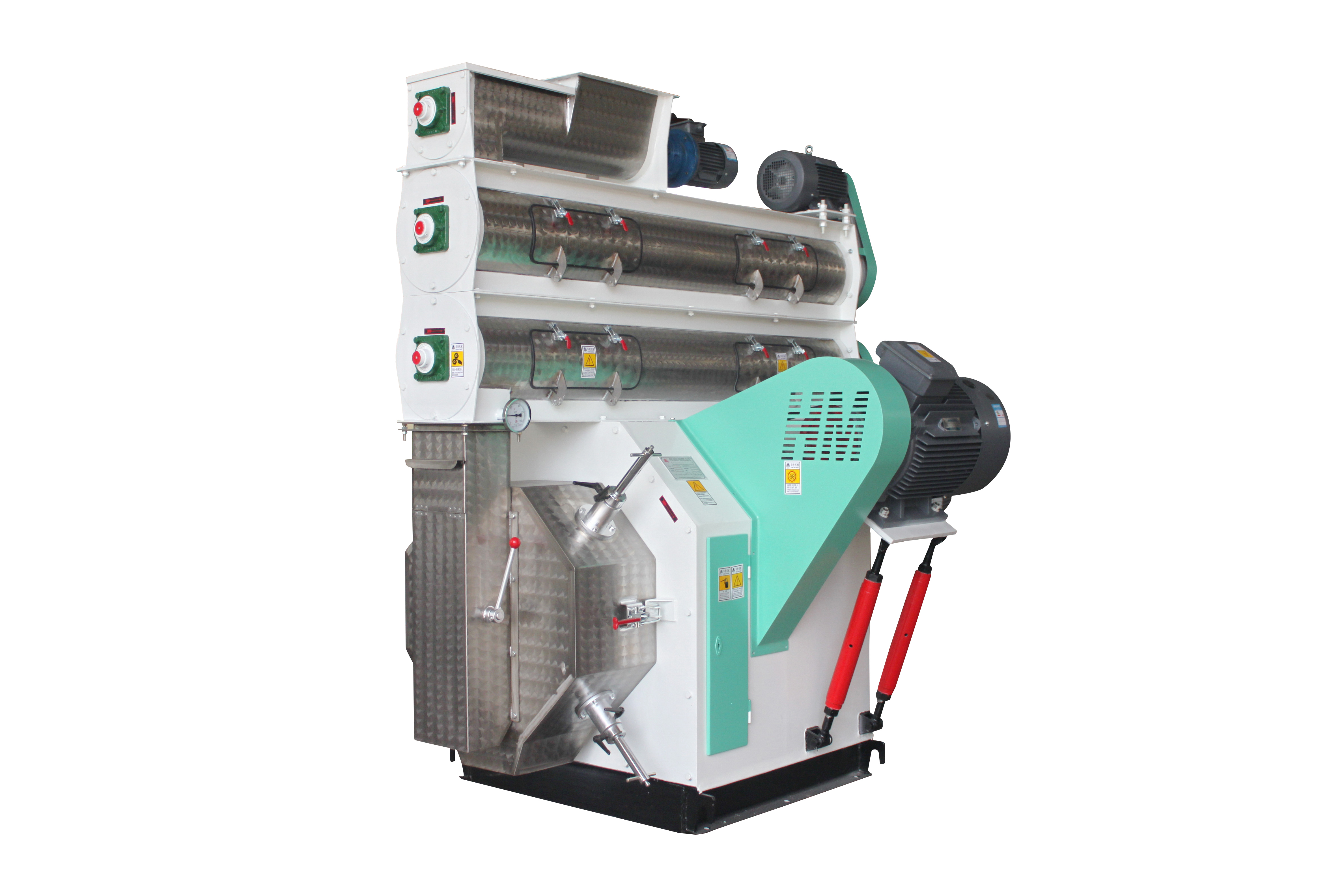
1. Feed Pellet Machine (Granulator)
The feed pellet machine is the heart of any feed production line, responsible for compressing mixed powder into dense pellets. Jiangsu Huamu Machinery specializes in medium and small-scale belt-driven pellet machines that offer stable operation, high output, and low noise. Our annual sales volume reaches 500 units, making us a leader in domestic similar products.
These pellet machines are widely used in livestock, poultry, and aquatic feed production, with capacities ranging from 1-30 tons per hour. The double-motor narrow belt transmission system ensures smooth operation and energy efficiency, while the durable construction guarantees long service life even under continuous operation.
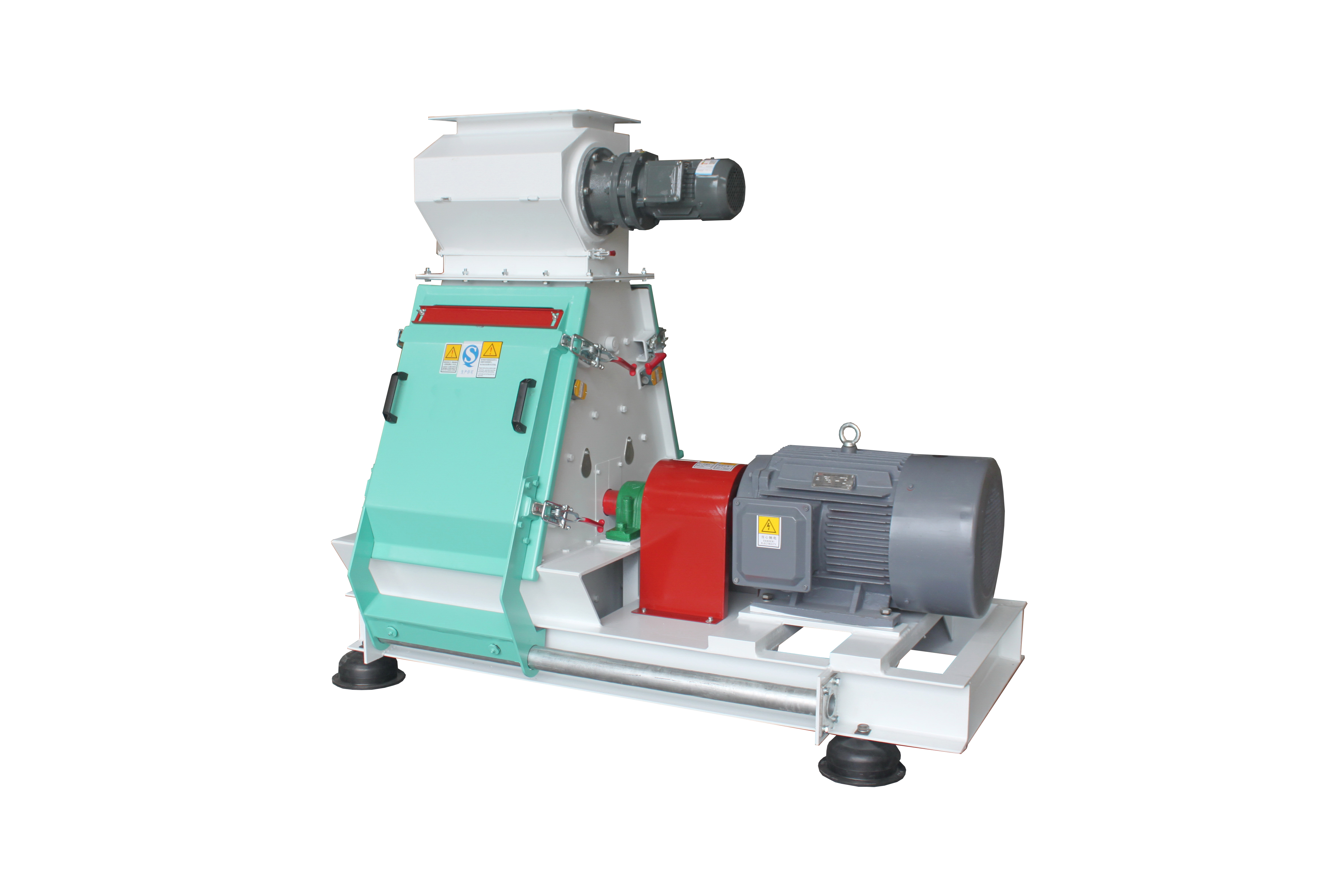
2. Hammer Mill (Grinding Machine)
Our waterdrop-type hammer mills feature a unique “mountain-shaped” secondary impact structure that increases production capacity by 25% compared to traditional models. This versatile equipment can perform coarse, fine, and ultra-fine grinding in one machine, making it suitable for various applications including:
- High-grade livestock and poultry feed
- Aquatic feed production
- Alcohol plant raw materials
- Citric acid factory ingredients
The waterdrop-shaped grinding chamber design improves material flow and reduces energy consumption, while the quick-open screen frame allows for easy maintenance and screen replacement.
3. Double Shaft Mixer
For optimal feed quality, precise mixing is essential. Our double-shaft paddle mixers achieve uniform mixing in just 30-90 seconds per batch, with a coefficient of variation (CV) ≤5% that ensures consistent nutrient distribution without segregation. Key features include:
- Customizable atomizing spray system for even addition of molasses, oils, and other liquids
- Short mixing cycle improves production efficiency
- Suitable for powder and granular materials in feed, food, and chemical industries
- Minimal residue design reduces material waste
The mixer’s robust construction and precise control system make it ideal for producing various types of animal feed with consistent quality.
4. Supporting Equipment
In addition to the core machinery, a complete feed production line requires several supporting equipment pieces to ensure smooth operation:
- Cooler: Reduces pellet temperature and moisture content for better storage stability
- Crumbler: Breaks large pellets into smaller sizes for specific feed requirements
- Screening Machine: Separates oversized or undersized particles for reprocessing
- Packing Machine: Automates the weighing and packaging of finished feed
- Conveying System: Includes bucket elevators, screw conveyors, and belt conveyors for material handling
- Dust Collection System: Improves working environment and meets environmental standards
Factors Affecting Feed Production Line Cost
The total investment for a feed processing plant varies widely depending on several key factors. Understanding these elements helps in accurate budgeting and cost optimization:
1. Production Capacity
The scale of your operation significantly impacts equipment costs. Small-scale plants (1-5 tons/hour) require less investment but have higher per-unit production costs. Medium to large-scale facilities (10-30 tons/hour) benefit from economies of scale but require higher initial capital outlay.
2. Equipment Configuration
The choice between basic and premium equipment affects both upfront costs and long-term operating expenses. Factors to consider include:
- Material of construction (carbon steel vs stainless steel)
- Motor power and energy efficiency
- Automation level (manual vs semi-automatic vs fully automatic)
- Brand reputation and after-sales service
3. Feed Type
Different animal feeds have specific processing requirements that influence equipment selection:
| Feed Type | Special Requirements |
|---|---|
| Poultry Feed | Fine grinding, precise mixing, small pellet size |
| Ruminant Feed | Coarse grinding, high fiber content, large pellet size |
| Aquatic Feed | Extra fine grinding, floating or sinking pellets, high protein |
| Premix Feed | High precision mixing, dust control, micro-ingredient handling |
4. Turnkey vs Custom Solutions
Opting for a complete turnkey solution from a single supplier like Jiangsu Huamu Machinery often provides cost advantages compared to purchasing individual components from multiple vendors. Turnkey projects include:
- Plant layout design
- Equipment selection and sizing
- Installation and commissioning
- Operator training
- After-sales service and spare parts support
Feed Processing Plant Equipment Selection Guide
Choosing the right equipment for your feed production line requires careful evaluation of several critical factors. This guide helps you make informed decisions that match your specific requirements:
1. Quality and Reliability
Invest in equipment from reputable manufacturers with proven track records. Jiangsu Huamu Machinery holds ISO9001 certification and has been recognized as a specialized, sophisticated SME in Jiangsu Province, ensuring our products meet international quality standards. Look for:
- Durable materials that withstand continuous operation
- Precision engineering for consistent performance
- Energy-efficient designs to reduce operating costs
- Easy maintenance features to minimize downtime
2. Production Efficiency
Evaluate equipment based on its ability to meet your production targets while maintaining quality. Key performance indicators include:
- Capacity (tons per hour)
- Power consumption (kW/ton)
- Mixing uniformity (CV value)
- Pellet durability index
- Operating noise levels
3. Flexibility and Adaptability
Choose equipment that can handle multiple feed types and formulations. This is particularly important if you plan to produce various animal feeds or need to adapt to changing market demands. Features to look for include:
- Adjustable pellet size
- Variable grinding fineness
- Quick formula changeover capabilities
- Modular design for easy upgrades
4. After-Sales Support
Reliable after-sales service is crucial for minimizing downtime and maintaining production efficiency. Consider suppliers that offer:
- Comprehensive warranty coverage
- Readily available spare parts
- On-site technical support
- Operator training programs
- Remote monitoring and diagnostics
FAQ
What factors determine the price of a complete feed production line?
The cost depends on production capacity, equipment configuration, feed type, and whether you choose a turnkey solution or custom components. Small-scale plants (1-5 tons/hour) typically cost $50,000-$200,000, while medium to large-scale facilities (10-30 tons/hour) range from $200,000-$1,000,000+. Jiangsu Huamu offers customized solutions to match your specific budget and production requirements.
How do I select the right feed pellet machine for my plant?
Consider your production capacity, target animal type, and budget. For small operations, our belt-driven pellet machines offer excellent value with capacities from 1-5 tons/hour. For larger plants, we provide robust ring die pellet machines with capacities up to 30 tons/hour. Our experts can help you select the optimal model based on your specific needs.
What makes Jiangsu Huamu’s hammer mills more efficient?
Our waterdrop-type hammer mills feature a unique “mountain-shaped” secondary impact structure that increases production by 25% compared to traditional models. The waterdrop grinding chamber improves material flow, while the quick-open screen frame allows for easy maintenance. These design innovations result in lower energy consumption and higher output per hour.
How long does it take to install a complete feed production line?
Installation time varies based on plant size and complexity. A small-scale plant (1-5 tons/hour) typically takes 4-6 weeks to install and commission, while larger facilities (10-30 tons/hour) may require 8-12 weeks. Our experienced installation teams work efficiently to minimize downtime and ensure your plant is operational as quickly as possible.
What kind of after-sales support does Jiangsu Huamu provide?
We offer comprehensive after-sales service including 1-year warranty on all equipment, readily available spare parts, on-site technical support, and operator training programs. Our global service network ensures prompt assistance wherever your plant is located. We also provide remote monitoring and diagnostics to help prevent issues before they cause production delays.
Can your equipment handle both livestock and aquatic feed production?
Yes, our equipment is versatile enough to produce various types of animal feed including poultry, livestock, and aquatic feeds. The pellet machines can produce different pellet sizes, while our hammer mills offer adjustable grinding fineness. For aquatic feed, we can provide specialized extruders for floating or sinking pellets as needed.
What is the lifespan of your feed processing equipment?
With proper maintenance, our equipment typically lasts 10-15 years or more. We use high-quality materials and precision engineering to ensure durability. Regular maintenance according to our guidelines can significantly extend the service life of your machinery. We also offer refurbishment services to restore older equipment to optimal condition.
How do you ensure the quality of your feed production equipment?
Quality control is integral to our manufacturing process. We hold ISO9001 certification and implement strict quality checks at every stage from raw material inspection to final product testing. Our equipment undergoes rigorous performance testing before shipment to ensure it meets our high standards and your specific requirements.
What payment terms do you offer for feed production line projects?
We provide flexible payment terms to accommodate different project requirements. Standard terms include 30% deposit with order, 60% before shipment, and 10% after installation and commissioning. For large projects, we can discuss customized payment schedules that align with your financial planning and project milestones.
How can I get a quotation for my feed processing plant project?
Contact our sales team with your specific requirements including production capacity, feed types, and any special requirements. We’ll provide a detailed quotation within 3-5 working days. For complex projects, our engineers may request additional information to ensure the proposal meets all your needs accurately.
Summary
Establishing a feed processing plant requires careful consideration of equipment selection, production capacity, and budget constraints. Jiangsu Huamu Machinery offers complete solutions ranging from individual high-quality machines to full turnkey projects, with capacities from 1-30 tons per hour. Our ISO9001-certified equipment includes pellet machines, hammer mills, mixers, and all necessary supporting systems designed for efficient, reliable operation.
With over [X] years of experience in the feed machinery industry, we understand the specific needs of feed producers worldwide. Our commitment to customer-first service, continuous innovation, and technical cooperation with leading institutions ensures we deliver cutting-edge solutions that help our clients succeed in competitive markets.
Whether you’re building a new plant or upgrading existing facilities, Jiangsu Huamu provides the expertise, equipment, and support needed to create an efficient, profitable feed production operation. Contact us today to discuss your project requirements and discover how we can help you achieve your business goals.