
Establishing a small feed processing plant requires careful consideration of equipment quality, production capacity, and long-term operational efficiency. For entrepreneurs and agricultural businesses looking to invest in feed production, selecting the right manufacturer for your production line is crucial. This comprehensive guide explores the essential factors to consider when choosing a supplier for small feed processing plant equipment, with insights from Jiangsu Huamu Machinery Co., Ltd., a leading manufacturer in the industry.
Understanding Your Production Requirements
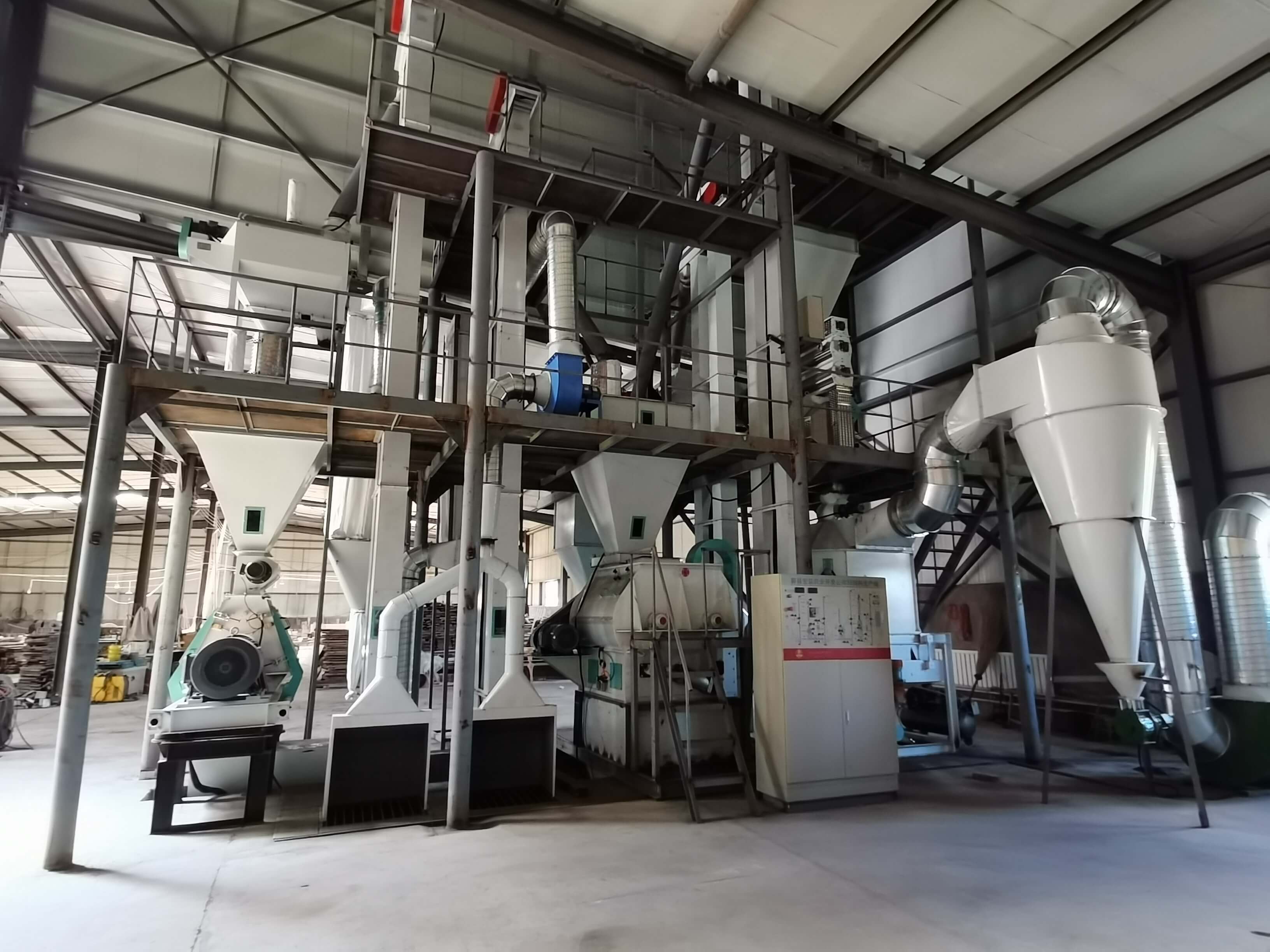
Before evaluating manufacturers, it’s essential to clearly define your production needs. Consider factors such as your target output capacity (ranging from 1-30 tons per hour for small to medium plants), the types of feed you’ll produce (poultry, livestock, aquatic, or specialty feeds), and your available space and budget. Jiangsu Huamu specializes in designing customized production lines that meet these specific requirements, offering solutions for both new plants and factory upgrades.
The company’s engineering team works closely with clients to understand their unique production goals. For example, a poultry feed producer might need different equipment specifications compared to an aquatic feed manufacturer due to variations in particle size requirements and raw material processing needs. Huamu’s modular design approach allows for flexible configuration of equipment to match these diverse requirements.
Core Equipment Quality and Performance
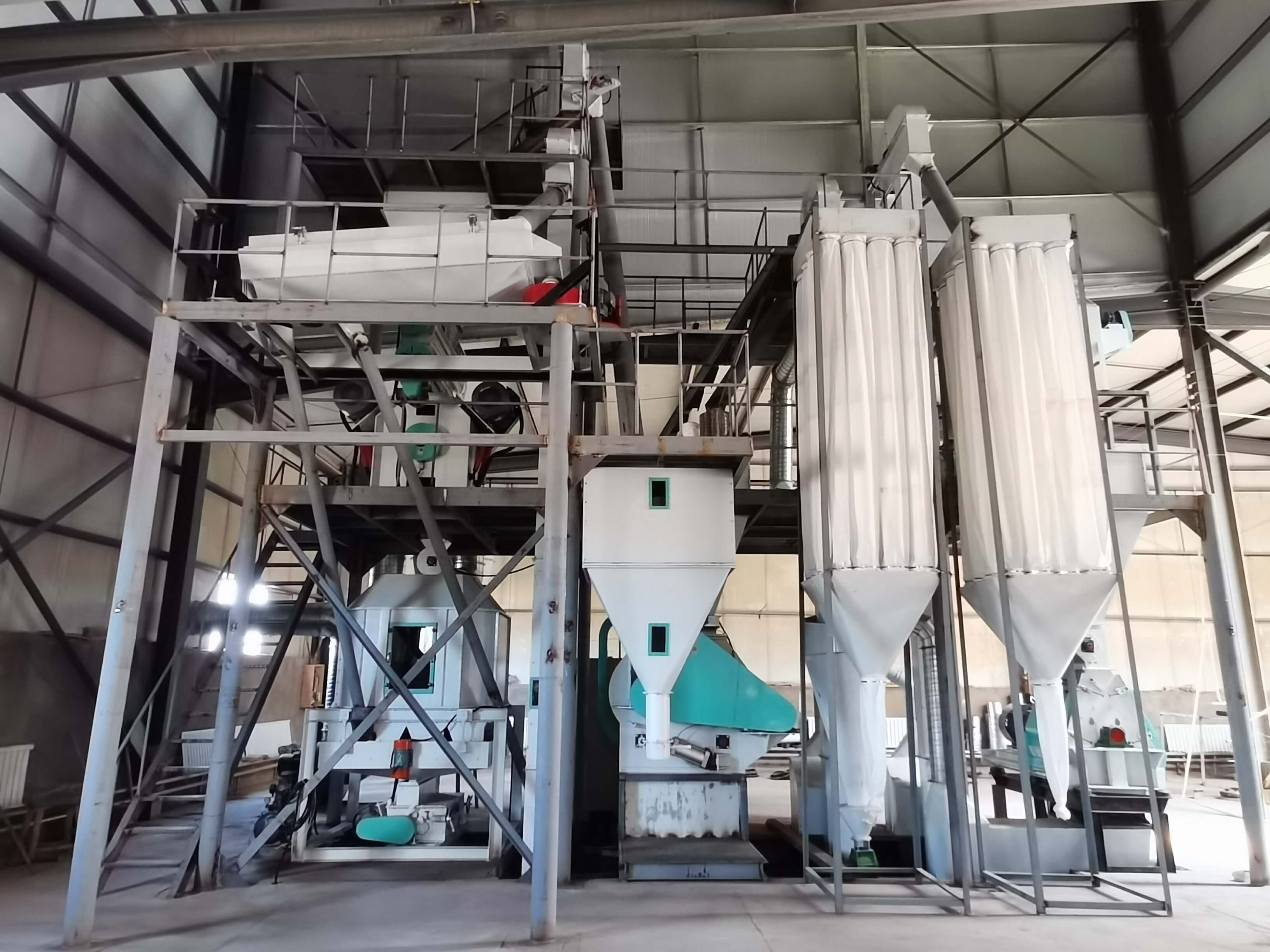
The heart of any feed processing plant consists of several key machines: the pellet mill, hammer mill, and mixer. When evaluating manufacturers, examine the technical specifications and performance characteristics of these essential components. Jiangsu Huamu’s belt-driven pellet machines, for instance, feature dual-motor narrow belt transmission for stable operation, high output (up to 500 sets annually), and low noise levels – critical factors for small-scale operations where space and noise control matter.
Their waterdrop hammer mills incorporate innovative “mountain-shaped” secondary impact structures that increase production capacity by 25% compared to traditional designs. This efficiency gain translates to lower energy consumption per ton of output, reducing operational costs over the equipment’s lifetime. For mixing applications, Huamu’s double-shaft paddle mixers achieve uniform mixing in just 30-90 seconds per batch with CV≤5% variation, ensuring consistent feed quality.
Technical Specifications Comparison
When comparing different manufacturers, detailed technical specifications provide valuable insights into equipment performance. The following table illustrates key parameters for Jiangsu Huamu’s core equipment:
| Equipment Type | Key Features | Capacity Range |
|---|---|---|
| Pellet Mill | Dual-motor belt drive, stable operation, low noise | 1-10 TPH |
| Hammer Mill | Waterdrop chamber, 25% higher output, multi-stage grinding | 1-15 TPH |
| Double-shaft Mixer | 30-90s mixing time, CV≤5%, optional liquid addition | 500-5000 kg/batch |
Manufacturing Standards and Certifications
Quality assurance should be a top priority when selecting a feed machinery manufacturer. Look for companies that adhere to international standards like ISO 9001 for quality management systems. Jiangsu Huamu not only maintains ISO 9001 certification but has also been recognized as a specialized, sophisticated, and unique SME (Small and Medium-sized Enterprise) in Jiangsu Province – a testament to their commitment to quality and innovation.
The company’s 10,000 square meter manufacturing facility in Wuxi, China, houses advanced production equipment and testing facilities. This vertical integration allows for strict quality control throughout the manufacturing process, from raw material inspection to final product testing. For small feed plant operators, this translates to reliable equipment that requires minimal maintenance and delivers consistent performance over years of operation.
Installation and After-sales Support
Equipment quality represents only part of the value proposition. Professional installation and comprehensive after-sales support are equally critical for small feed processing plants. Jiangsu Huamu provides complete turnkey solutions that include site planning, equipment installation, commissioning, and operator training.
Their experienced installation teams have completed projects in over 50 countries worldwide, adapting to diverse environmental conditions and operational requirements. This global experience ensures your production line will be set up for optimal performance from day one. Post-installation support includes readily available spare parts, remote technical assistance, and on-site maintenance services when needed.
Customization Capabilities for Small Plants
While standard equipment configurations work for many applications, small feed processing plants often benefit from customized solutions. Jiangsu Huamu’s engineering team specializes in designing production lines that maximize efficiency within limited space and budget constraints. This might involve optimizing equipment layout for compact footprints, selecting appropriately sized machines for targeted output levels, or integrating automation features that reduce labor requirements.
For example, a small poultry feed producer might require a simplified production line focusing on core equipment with manual batching, while an aquatic feed specialist might need additional pre-conditioning and micro-grinding stages. Huamu’s modular design approach allows for such customization without compromising on quality or performance.
FAQ
What makes Jiangsu Huamu’s pellet machines suitable for small feed plants?
Our belt-driven pellet machines feature compact designs with capacities ranging from 1-10 TPH, making them ideal for small-scale operations. The dual-motor narrow belt transmission ensures stable operation with minimal vibration, while the energy-efficient design reduces operating costs – crucial factors for smaller producers.
How does the waterdrop hammer mill improve grinding efficiency?
The waterdrop-shaped grinding chamber creates a natural material circulation path that increases contact time between particles and hammer blades. Combined with our unique “mountain-shaped” secondary impact structure, this design boosts production capacity by 25% compared to traditional hammer mills while maintaining consistent particle size distribution.
What maintenance is required for small feed plant equipment?
Regular maintenance includes daily lubrication of moving parts, monthly inspection of belt tension (for pellet mills), and quarterly replacement of wear parts like hammer mill screens and mixer paddles. We provide detailed maintenance manuals and training to help small plant operators keep their equipment in optimal condition with minimal downtime.
Can Jiangsu Huamu supply complete production lines or only individual machines?
We specialize in providing complete turnkey solutions for small feed processing plants, including all core equipment (pellet mill, hammer mill, mixer) plus auxiliary machines like coolers, crushers, and conveyors. Our engineering team designs customized layouts based on your available space and production requirements.
How long does it take to install a small feed production line?
Installation time depends on project complexity and equipment configuration. A standard small plant (5-10 TPH capacity) typically requires 2-4 weeks for installation and commissioning. Our experienced installation teams work efficiently to minimize disruption to your operations while ensuring proper equipment setup.
Summary
Choosing the right manufacturer for your small feed processing plant production line requires evaluating multiple factors beyond just equipment pricing. Consider the technical specifications and performance of core machines, the manufacturer’s quality certifications, their ability to provide customized solutions, and the comprehensiveness of their after-sales support. Jiangsu Huamu Machinery Co., Ltd. stands out as a reliable partner for small feed producers by offering high-quality, customized equipment backed by professional installation services and global support. Their focus on energy efficiency, stable operation, and flexible configurations makes them an excellent choice for entrepreneurs looking to establish or upgrade small-scale feed production facilities.