
Selecting the right feed pellet cooler is crucial for maintaining the quality and nutritional value of your animal feed. As a key component in feed production lines, the cooler ensures that pellets reach optimal moisture content and temperature before packaging and storage. This comprehensive guide will help you understand the important factors to consider when choosing a feed pellet cooler, and why Jiangsu Huamu Machinery stands out as a leading manufacturer in this field.
Understanding Feed Pellet Coolers
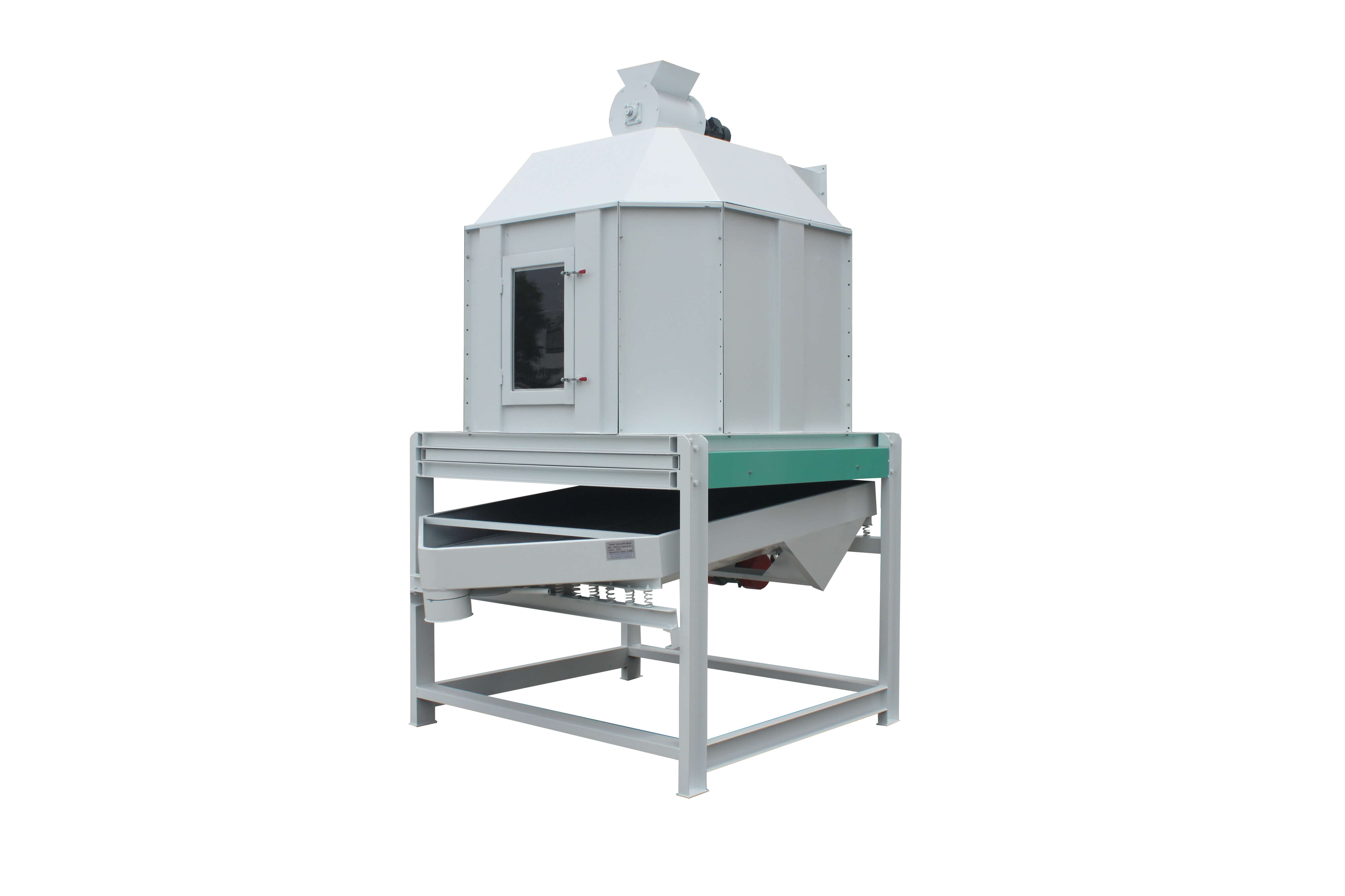
Feed pellet coolers are specialized equipment designed to remove excess heat and moisture from freshly produced feed pellets. The cooling process is essential for several reasons:
- Prevents mold growth by reducing moisture content
- Improves pellet durability and reduces breakage
- Maintains nutritional value by preserving heat-sensitive ingredients
- Ensures consistent pellet quality for better animal performance
- Facilitates proper storage and extends shelf life
There are several types of feed pellet coolers available, including counter-flow coolers, horizontal coolers, and vertical coolers. Each type has its advantages depending on your specific production requirements and feed formulation.
Key Factors to Consider When Selecting a Feed Pellet Cooler
Choosing the right feed pellet cooler involves evaluating several critical factors that impact performance, efficiency, and overall return on investment. Here are the most important considerations:
1. Cooling Capacity
The cooling capacity should match your production output. Consider both your current needs and potential future expansion. Manufacturers typically rate coolers based on tons per hour (TPH) of feed they can process. For example, Jiangsu Huamu offers coolers ranging from 1-30 TPH to accommodate various scale operations.
2. Cooling Efficiency
Look for coolers that provide uniform cooling across all pellets. Counter-flow coolers are particularly effective as they move pellets in the opposite direction to the cooling air, ensuring consistent temperature reduction. This technology helps maintain pellet quality and prevents condensation.
3. Energy Consumption
Energy efficiency directly impacts operating costs. Modern coolers incorporate features like variable frequency drives (VFD) for fans and airflow optimization to reduce power consumption while maintaining performance. Jiangsu Huamu’s designs focus on minimizing energy use without compromising cooling effectiveness.
4. Build Quality and Durability
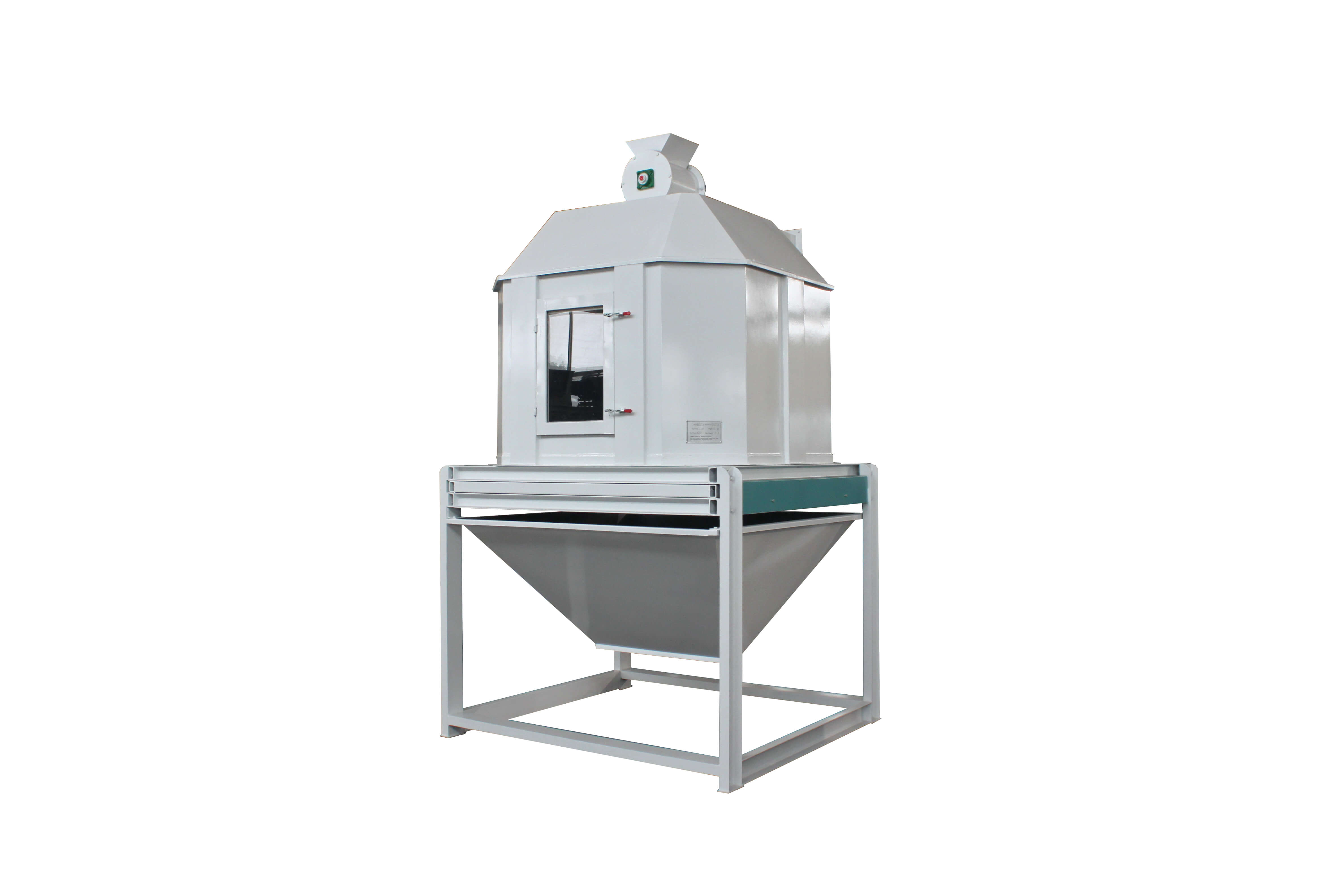
The cooler will be a long-term investment, so choose a manufacturer known for robust construction. Stainless steel components, heavy-duty bearings, and corrosion-resistant materials extend equipment lifespan. Jiangsu Huamu’s coolers feature premium materials and precision engineering for reliable operation in demanding feed mill environments.
5. Ease of Maintenance
Regular maintenance is essential for optimal performance. Look for designs with easy access to critical components like air filters, distribution plates, and discharge mechanisms. Quick-clean features and tool-less maintenance points reduce downtime and operational costs.
6. Integration with Existing Systems
If replacing an existing cooler or expanding your production line, ensure compatibility with your current equipment. Consider factors like footprint, height requirements, and connection points for pellet conveyors. Jiangsu Huamu offers custom engineering solutions to seamlessly integrate with various feed mill layouts.
7. Manufacturer Reputation and Support
Choose a manufacturer with proven expertise in feed machinery. Look for certifications like ISO 9001, positive customer reviews, and a track record of reliable after-sales service. Jiangsu Huamu, recognized as a specialized, sophisticated, and unique SME in Jiangsu Province, provides comprehensive support including installation, commissioning, and operator training.
Why Jiangsu Huamu Machinery Stands Out
As a leading manufacturer of feed machinery in China, Jiangsu Huamu offers several advantages when it comes to feed pellet coolers:
- Specialized Expertise: With over a decade of experience in feed machinery manufacturing, we understand the specific requirements of different feed formulations and production scales.
- Complete Product Range: In addition to coolers, we offer a full line of feed production equipment including pellet mills, hammer mills, mixers, and complete turnkey solutions.
- Customization Capabilities: Our engineering team can design coolers to match your exact production needs, space constraints, and feed characteristics.
- Global Reach: Our products are exported to over 50 countries, demonstrating our ability to meet international quality standards and diverse market requirements.
- Technical Collaboration: We maintain partnerships with top feed machinery companies and academic institutions to continuously improve our product designs.
Application Scenarios for Feed Pellet Coolers
Feed pellet coolers are essential in various animal feed production scenarios:
| Application | Cooler Requirements | Recommended Solution |
|---|---|---|
| Poultry Feed Production | High throughput, uniform cooling for small pellets | Counter-flow cooler with adjustable airflow |
| Aquatic Feed Production | Gentle handling of floating/sinking pellets, precise moisture control | Specialized aquatic feed cooler with low-pressure air system |
| Ruminant Feed Production | Cooling of large, dense pellets, durability for abrasive ingredients | Heavy-duty counter-flow cooler with reinforced components |
| Premix Production | Gentle cooling to prevent ingredient separation, precise temperature control | Vertical cooler with variable speed fans |
FAQ
What is the ideal moisture content after cooling feed pellets?
The target moisture content typically ranges between 10-13%, depending on the feed formulation and storage conditions. Proper cooling helps achieve this range consistently across all pellets, preventing mold growth during storage.
How often should I clean my feed pellet cooler?
Daily cleaning of the air filters and distribution plates is recommended. A thorough inspection and cleaning of the entire cooler should be performed monthly or as needed based on your production volume and feed composition.
Can I use the same cooler for different types of animal feed?
Yes, most modern coolers are versatile enough to handle various feed types. However, for specialized applications like aquatic feed or premixes, you may need specific cooler designs or adjustments to airflow and cooling parameters.
What maintenance is required for optimal cooler performance?
Key maintenance tasks include regular lubrication of bearings, inspection of air seals, cleaning of air ducts, and verification of pellet distribution uniformity. Following the manufacturer’s maintenance schedule extends equipment lifespan and ensures consistent performance.
Summary
Selecting the right feed pellet cooler requires careful consideration of your production requirements, feed characteristics, and long-term goals. By focusing on cooling capacity, efficiency, build quality, and manufacturer support, you can make an informed decision that enhances your feed quality and production efficiency. Jiangsu Huamu Machinery offers proven expertise, customizable solutions, and comprehensive support to help you implement the ideal cooling system for your feed mill. Contact our technical team today to discuss your specific needs and explore our range of high-quality feed pellet coolers.