
Selecting the right corn feed grinder is crucial for any animal feed production operation. With numerous manufacturers offering various models, it’s essential to understand what makes a grinder efficient, reliable, and suitable for your specific needs. This comprehensive guide will walk you through the key factors to consider when choosing a corn feed grinder manufacturer, highlight the features of professional-grade equipment, and provide practical purchasing advice.
Understanding Corn Feed Grinder Basics
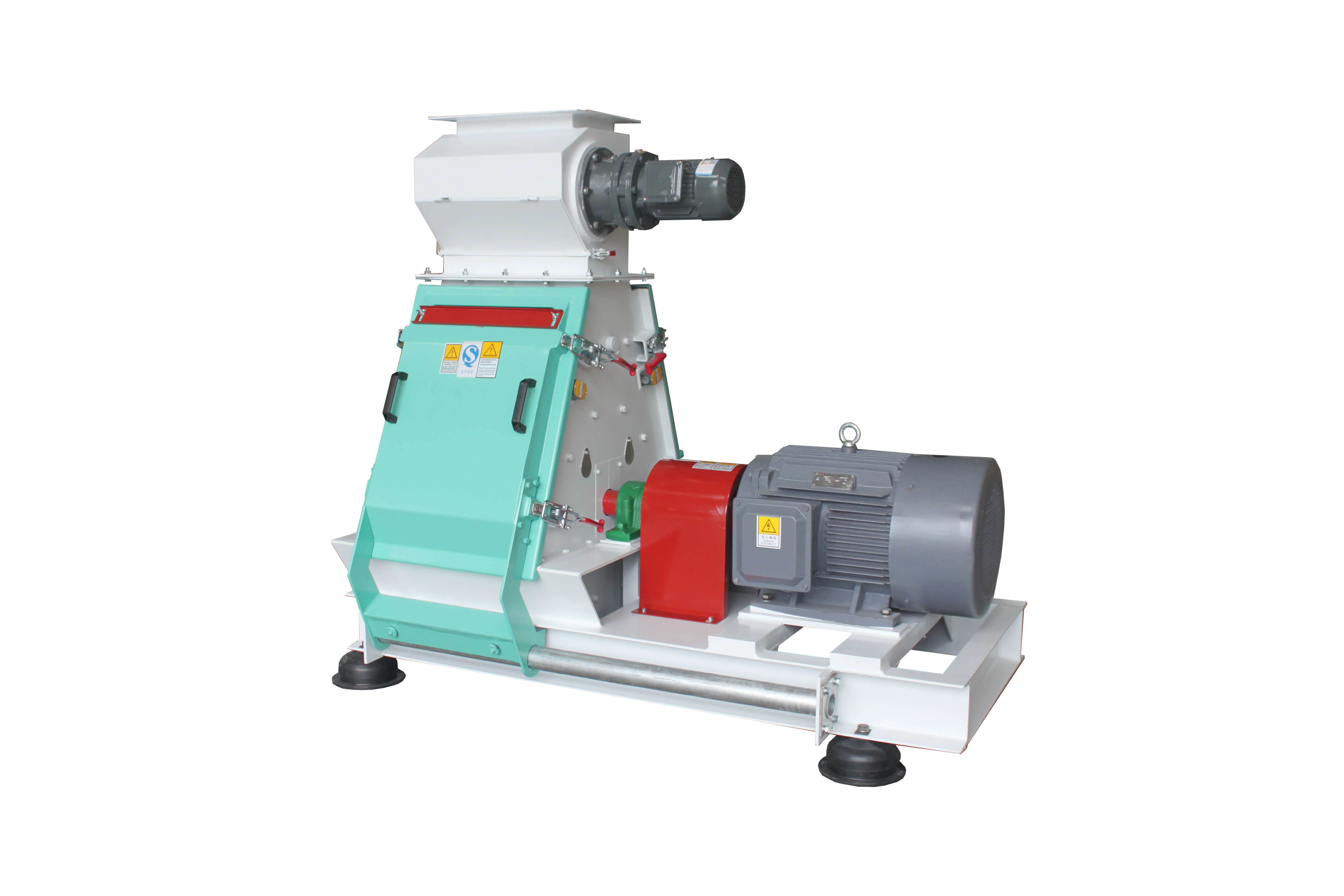
A corn feed grinder, also known as a hammer mill or pulverizer, is designed to break down corn kernels and other grains into smaller particles suitable for animal feed. The grinding process improves digestibility and nutrient absorption while creating uniform particle sizes that ensure consistent feed quality. Modern corn feed grinders come in various configurations, but the most efficient models for industrial use typically feature waterdrop-shaped grinding chambers and specialized hammer designs.
The core function of these machines is to transform raw corn into fine or coarse powder through high-speed impact and shearing forces. This process requires robust construction, precise engineering, and durable components to handle the demanding workload of continuous feed production. When evaluating manufacturers, it’s essential to look for those who specialize in feed processing equipment rather than general-purpose machinery.
Key Features of Professional Corn Feed Grinders
Professional-grade corn feed grinders incorporate several advanced features that distinguish them from basic models. One of the most significant innovations is the waterdrop-shaped grinding chamber, which improves airflow and reduces material buildup compared to traditional circular designs. This shape allows for more efficient grinding while minimizing energy consumption and heat generation.
Another critical feature is the “mountain-shaped” secondary impact structure found in premium models like those from Jiangsu Huamu Machinery. This design increases the grinding area by 30% and enhances particle uniformity by ensuring each kernel passes through multiple impact zones. The result is a 25% higher output capacity compared to standard hammer mills, making these machines ideal for medium to large-scale feed production facilities.
Comparing Different Grinder Types
When selecting a corn feed grinder, you’ll encounter several types, each with specific advantages:
- Waterdrop Hammer Mills: The most efficient for corn grinding, featuring improved airflow and reduced material buildup
- Full Circle Screen Mills: Offer larger screening area but may generate more heat
- Partial Circle Screen Mills: More energy-efficient but with slightly lower throughput
- Vertical Hammer Mills: Compact design suitable for small operations but with limited capacity
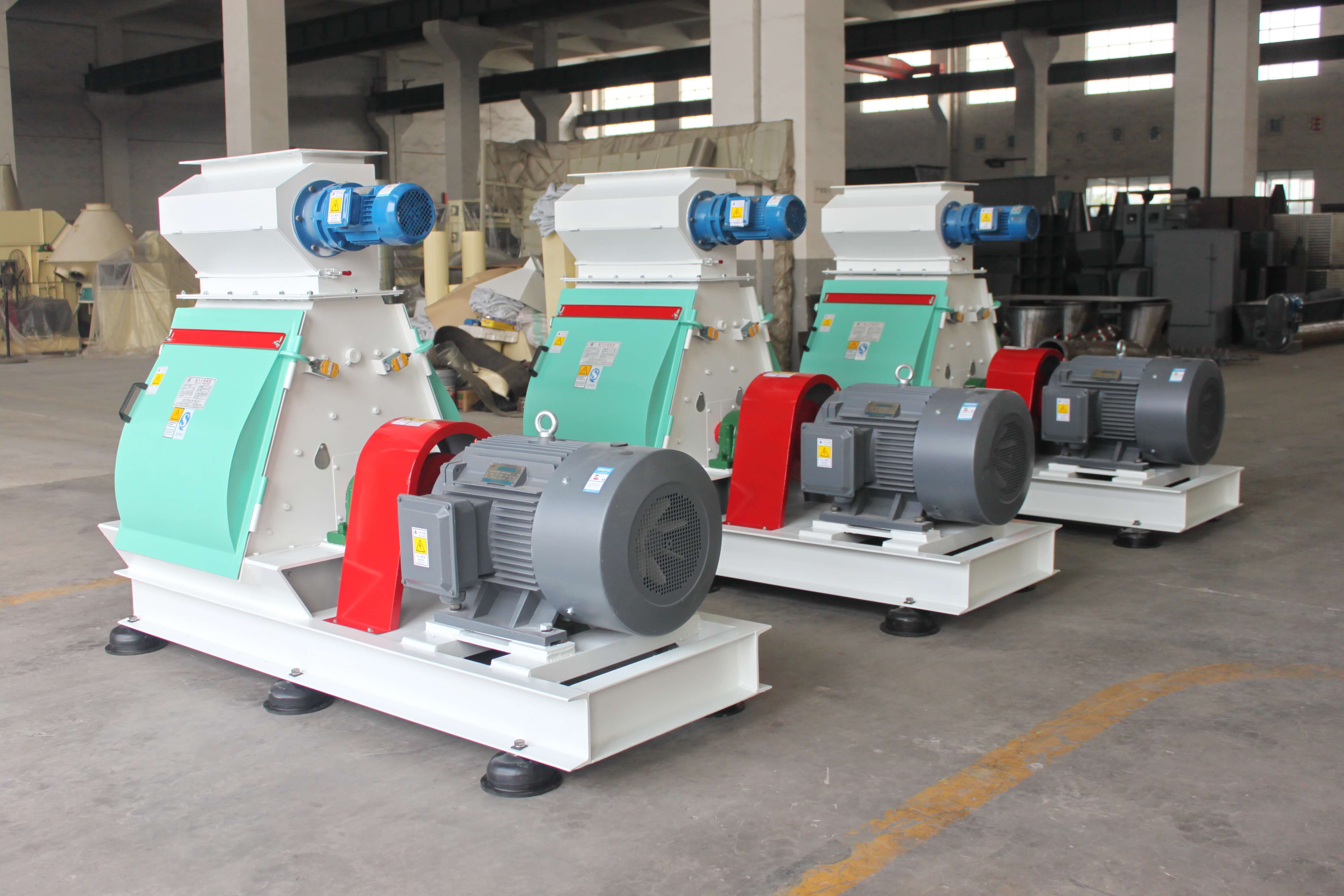
For industrial corn feed production, waterdrop hammer mills consistently outperform other designs due to their optimized airflow patterns and specialized impact structures. These machines maintain consistent particle sizes while operating at lower temperatures, preserving the nutritional value of the feed.
| Feature | Standard Hammer Mill | Waterdrop Hammer Mill |
|---|---|---|
| Grinding Efficiency | Good | Excellent (25% higher output) |
| Particle Uniformity | Moderate | High (CV≤5%) |
| Energy Consumption | Higher | 15-20% lower |
| Heat Generation | Higher | Reduced by 30% |
| Maintenance Frequency | More frequent | Less frequent |
Evaluating Manufacturer Credentials
Choosing a reputable manufacturer is as important as selecting the right equipment model. Look for companies with:
1. Industry Certifications: ISO 9001 certification ensures consistent quality management systems, while specialized feed machinery certifications demonstrate technical competence. Jiangsu Huamu Machinery, for example, holds both ISO 9001 and provincial specialized certification, reflecting their commitment to quality.
2. Production Capacity: Reliable manufacturers should have the capacity to meet your production volume requirements. A company producing 500+ units annually demonstrates both scale and experience in handling large orders efficiently.
3. Technical Collaboration: Manufacturers that partner with research institutions and universities often incorporate the latest technological advancements into their products. This collaboration ensures their equipment remains at the forefront of industry innovation.
4. Global Reach: Export capabilities to 50+ countries indicate a manufacturer’s ability to meet international standards and provide reliable after-sales support worldwide. This is particularly important if you plan to expand your operations or require spare parts in different regions.
Application Scenarios for Corn Feed Grinders
Corn feed grinders serve multiple purposes across different animal feed production scenarios:
1. Poultry Feed Production: Fine grinding (0.5-1.5mm) improves nutrient absorption in broilers and layers, supporting optimal growth and egg production. The uniform particle size ensures consistent feed quality throughout the flock.
2. Swine Feed Manufacturing: Medium grinding (1.5-3.0mm) balances digestibility with feed structure, preventing ulcers in growing pigs while maintaining feed efficiency. Some premium grinders allow quick screen changes to adapt to different growth stages.
3. Ruminant Feed Processing: Coarse grinding (3.0-6.0mm) stimulates rumination in cattle and sheep, promoting healthy digestion and milk production. The ability to produce multiple particle sizes from one machine adds operational flexibility.
4. Aquatic Feed Production: Specialized configurations produce micro-fine particles (0.1-0.5mm) suitable for fish and shrimp feed, ensuring proper nutrient absorption in aquatic environments. Some manufacturers offer dedicated aquatic feed grinder models.
FAQ
What makes waterdrop hammer mills better for corn grinding?
Waterdrop hammer mills feature a specially designed grinding chamber that improves airflow and reduces material buildup. This shape, combined with a mountain-shaped secondary impact structure, increases grinding efficiency by 25% while maintaining uniform particle sizes. The optimized design also reduces energy consumption by 15-20% compared to traditional hammer mills.
How do I choose the right screen size for my corn feed grinder?
Screen selection depends on your target animal species and feed formulation. For poultry, 0.5-1.5mm screens work best; swine typically require 1.5-3.0mm; ruminants need 3.0-6.0mm; and aquatic feed may need 0.1-0.5mm. Reputable manufacturers like Jiangsu Huamu offer quick-change screen systems that allow easy adaptation to different production needs.
What maintenance is required for industrial corn feed grinders?
Regular maintenance includes daily inspection of hammers and screens, weekly lubrication of bearings, and monthly checks of the motor and drive system. Professional models with wear-resistant components require less frequent replacement. Look for manufacturers that provide comprehensive maintenance manuals and spare parts support.
Can one grinder handle multiple types of grains?
Yes, high-quality corn feed grinders can process various grains including wheat, barley, sorghum, and soybeans. The key is selecting a model with adjustable grinding parameters and appropriate screen sizes. Some advanced machines offer automatic adjustment features for different material types.
Summary
Selecting the best corn feed grinder manufacturer requires careful evaluation of equipment features, production capabilities, and technical support. Waterdrop hammer mills with specialized impact structures offer superior efficiency and particle uniformity for industrial corn grinding applications. When choosing a supplier, prioritize companies with ISO certifications, strong production volumes, and international export experience. Consider your specific application needs—whether for poultry, swine, ruminants, or aquatic feed—and select a grinder model that offers the appropriate particle size range and throughput capacity. By investing in professional-grade equipment from reputable manufacturers, you can ensure consistent feed quality, optimize production efficiency, and support the long-term success of your animal feed operation.