
For modern animal farming operations, establishing an efficient feed processing plant is crucial for ensuring consistent feed quality and reducing production costs. As a leading feed machinery manufacturer with ISO9001 certification and 15+ years of industry experience, Jiangsu Huamu Machinery specializes in providing complete solutions for feed production lines ranging from 1-30 tons per hour capacity. This comprehensive guide covers everything you need to know about selecting the right feed processing equipment, from core machinery to complete plant design.
Core Feed Processing Equipment Selection Guide
The foundation of any efficient feed processing plant lies in selecting the right combination of core machinery. Based on our experience serving 50+ countries worldwide, here are the essential equipment categories and key selection criteria:
1. Pellet Making Machines (Feed Granulators)
Our best-selling SKJ series belt-driven pellet machines represent the perfect balance between performance and cost efficiency. These machines feature:
- Dual-motor narrow belt transmission for stable operation
- Capacity range from 1-8 tons/hour (customizable)
- Particle size adjustable from 2-12mm
- Energy consumption 10-15% lower than comparable models
- Special die design for different feed types (livestock, poultry, aquatic)
For aquatic feed production, we recommend our specialized floating fish feed pellet machines with unique extrusion technology that ensures proper water stability and nutrient retention. The pellet density can be precisely controlled between 1.0-1.3g/cm³ to meet different fish species’ feeding habits.
2. Hammer Mills (Grinding Equipment)
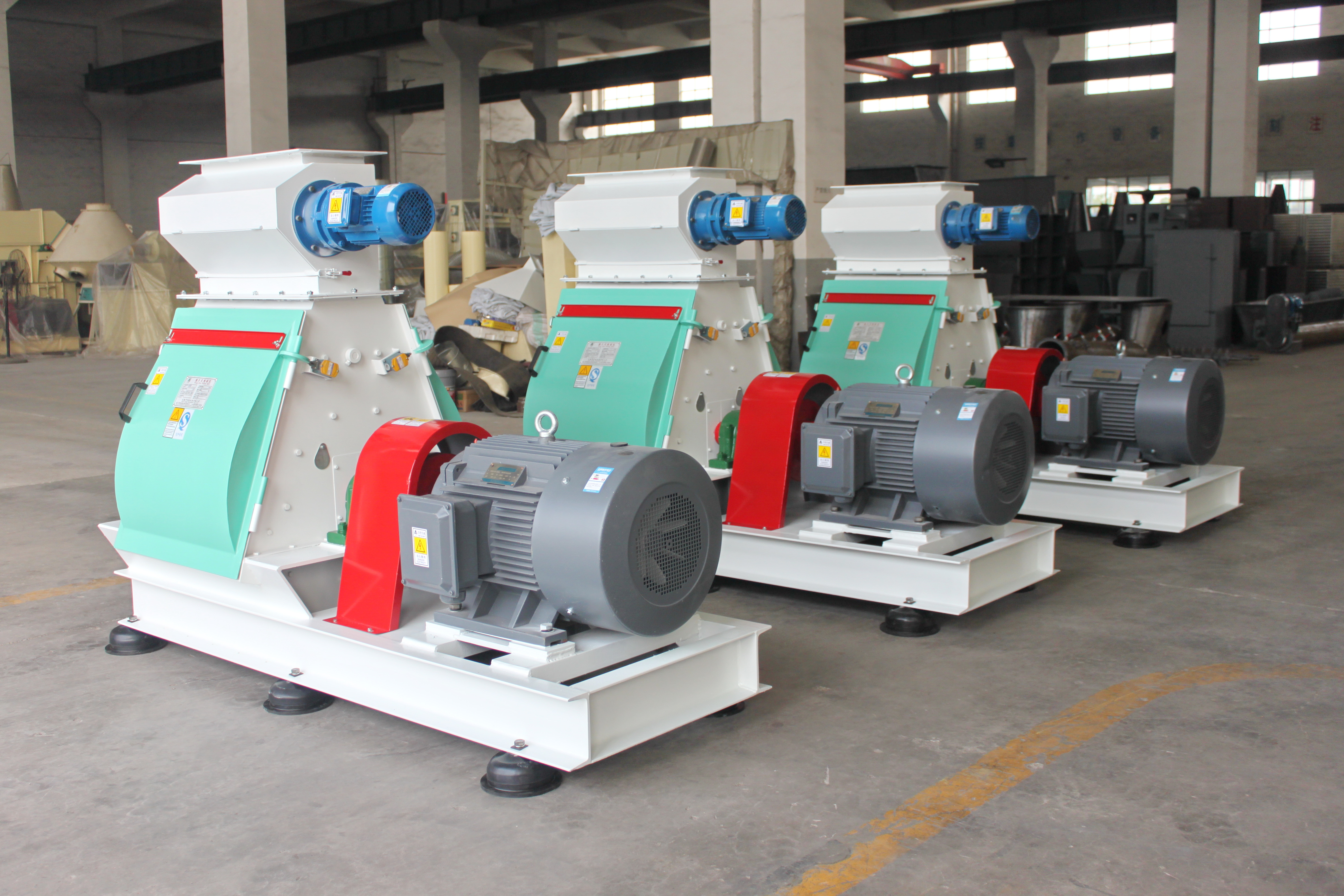
The water-drop type hammer mill (SFSP series) is our flagship grinding solution featuring:
- Unique “mountain” shaped secondary crushing structure
- 25% higher output than traditional designs
- Particle size range: 20-80 mesh (adjustable)
- Multi-function capability for coarse, fine, and ultra-fine grinding
- Specialized models for corn, soybean, wheat bran, and other raw materials
For high-capacity requirements, our double-rotor hammer mills can process up to 15 tons of raw materials per hour while maintaining consistent particle size distribution. This is particularly valuable for large-scale feed mills processing multiple feed formulations simultaneously.
3. Feed Mixers (Blending Equipment)
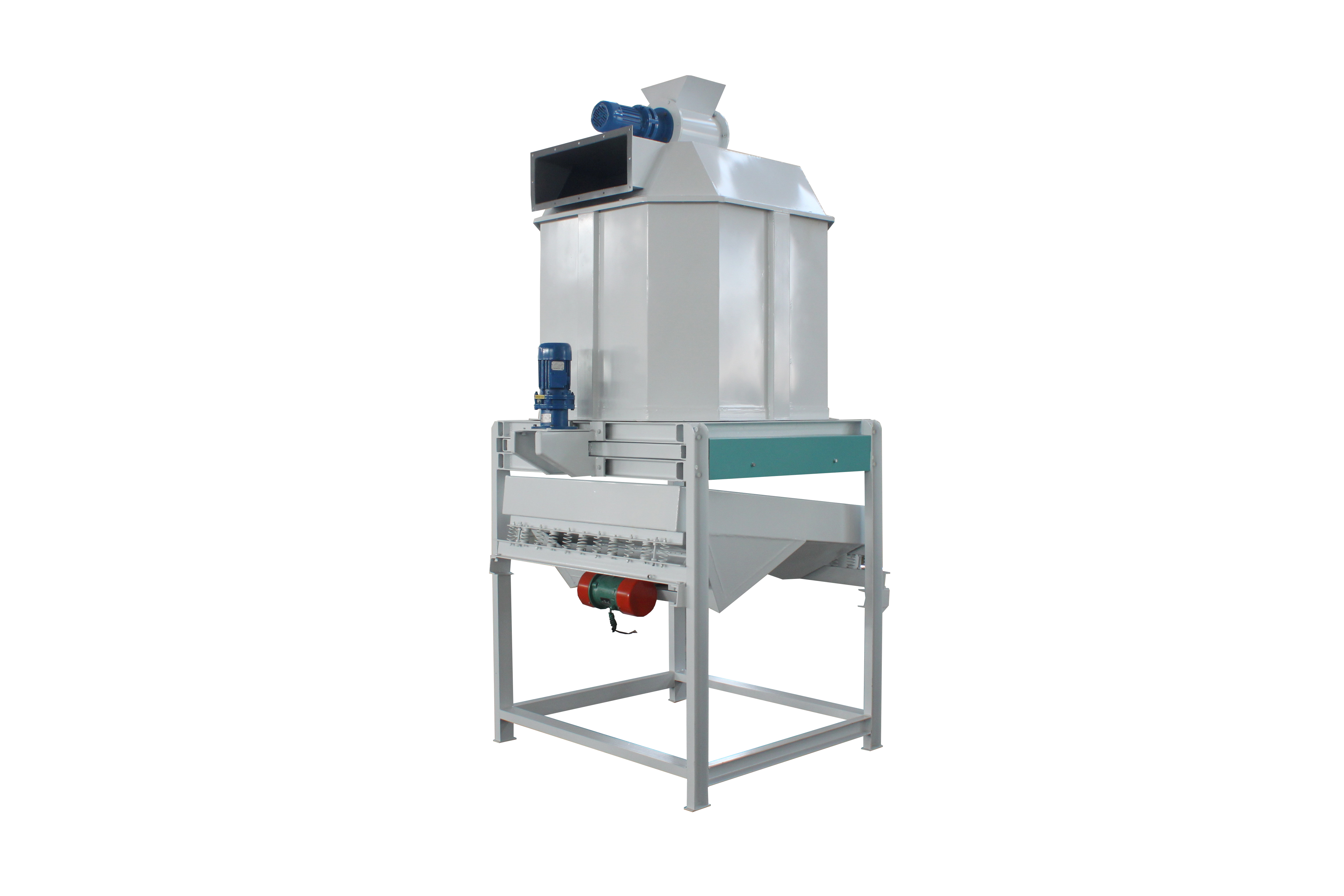
Our double-shaft paddle mixers (SSHJ series) set industry standards for mixing efficiency and uniformity:
- Mixing cycle time: 30-90 seconds per batch
- CV (Coefficient of Variation) ≤5% for optimal nutrient distribution
- No material segregation during mixing
- Optional liquid addition system for molasses, oils, and enzymes
- Capacity range: 500kg-10,000kg per batch
For premix production requiring extremely precise mixing, we offer specialized ribbon mixers with 0.5-5% dosage accuracy. These are ideal for vitamin and mineral premixes where uniformity directly impacts animal health and growth performance.
Complete Feed Production Line Design Considerations
Building a feed processing plant involves much more than simply purchasing equipment. As a turnkey solution provider, Jiangsu Huamu considers these critical factors in every project:
1. Process Flow Optimization
Our standard feed production line follows this optimized workflow:
- Raw material receiving & cleaning
- Grinding (hammer milling)
- Batching & weighing
- Mixing
- Pelleting (or extrusion for aquatic feed)
- Cooling & drying
- Crumbing (for crumble feed)
- Screening & grading
- Packaging & storage
For specialized applications like pet food production, we can integrate additional processes like coating, vacuum coating, and sterilization to meet specific market requirements.
2. Space Utilization & Layout
Effective plant layout reduces material handling costs and improves production efficiency. Our design principles include:
- Short material flow paths with minimal elevation changes
- Proper spacing between equipment for maintenance access
- Dust control systems integrated into the layout
- Separate zones for raw material handling and finished product storage
- Compliance with local safety and sanitation regulations
| Production Line Type | Capacity Range | Space Requirement | Typical Investment |
|---|---|---|---|
| Small-scale (1-3 TPH) | 1-3 tons/hour | 150-300 m² | $30,000-$80,000 |
| Medium-scale (5-10 TPH) | 5-10 tons/hour | 400-800 m² | $100,000-$250,000 |
| Large-scale (15-30 TPH) | 15-30 tons/hour | 1000-2000 m² | $300,000-$800,000 |
3. Automation & Control Systems
Modern feed plants benefit significantly from automation. Our standard solutions include:
- PLC control systems for entire production lines
- Automatic batching and weighing systems with ±0.1% accuracy
- Remote monitoring and operation capabilities
- Production data recording and analysis for process optimization
- Alarm systems for equipment malfunctions or process deviations
For customers requiring Industry 4.0 integration, we offer smart factory solutions with IoT connectivity, predictive maintenance, and AI-based production optimization algorithms.
FAQ
What factors determine the cost of a complete feed production line?
The total investment depends on several key factors: production capacity requirements, equipment configuration (basic vs. premium models), automation level, raw material types, and final product specifications. A small-scale 1-3 TPH line typically costs $30,000-$80,000, while large-scale 15-30 TPH plants range from $300,000-$800,000. We provide detailed quotations based on specific project requirements.
How to choose the right pellet machine for my feed plant?
Consider these factors: 1) Target animal species (different die specifications needed), 2) Required production capacity, 3) Raw material characteristics, 4) Power supply availability, 5) Budget constraints. Our SKJ series belt-driven pellet machines offer excellent value for most livestock and poultry applications, while our extrusion pellet machines are ideal for aquatic feed production.
What maintenance is required for feed processing equipment?
Regular maintenance includes: 1) Daily cleaning of grinding screens and pellet dies, 2) Weekly lubrication of moving parts, 3) Monthly inspection of belt tension and motor performance, 4) Quarterly replacement of wear parts like hammers and paddles, 5) Annual overhaul of key components. We provide comprehensive operation manuals and training programs to ensure proper equipment maintenance.
How long does it take to install a complete feed production line?
Installation time varies based on plant size and complexity. A small-scale 1-3 TPH line typically takes 15-30 days for installation and commissioning, while large-scale projects may require 60-90 days. Our installation teams work efficiently to minimize downtime and ensure all equipment meets performance specifications before handover.
Summary
Selecting the right feed processing equipment requires careful consideration of production requirements, budget constraints, and long-term operational goals. As a specialized manufacturer with 15+ years of experience, Jiangsu Huamu Machinery offers complete solutions from single machines to turnkey feed plant construction. Our equipment features advanced technology, energy efficiency, and reliable performance, backed by comprehensive after-sales service including installation, training, and spare parts support. Whether you’re establishing a new feed mill or upgrading existing facilities, our team can design customized solutions to meet your specific needs and help maximize your return on investment.