
Grinding is one of the most important steps in feed production. The particle size of raw materials directly affects mixing uniformity, pellet quality, digestion, and the overall efficiency of a feed mill. For feed producers who need consistent output, choosing the right grain feed hammer mill manufacturer is not simply a purchasing decision—it is a production strategy. A well-matched hammer mill can improve grinding capacity, reduce unnecessary downtime, and support a smoother workflow across the entire feed production line.
Jiangsu Huamu Machinery Co., Ltd. is a feed machinery manufacturer based in Xibei Town, Wuxi City, Jiangsu Province, China. The company specializes in manufacturing feed machinery, designing feed production lines, and providing installation and debugging services. Its product range includes ring die pellet machines, waterdrop hammer mills, double-shaft mixers, coolers, and premix additive complete units, as well as complete units for pellet animal and poultry feed and aquatic product feed. For buyers comparing grain feed grinder suppliers, understanding the technical and commercial factors behind hammer mill selection can make the difference between a workable installation and a highly efficient feed processing operation.
Why a Reliable Grain Feed Hammer Mill Manufacturer Matters in Feed Production
Feed mills operate under constant pressure to control cost, maintain formula accuracy, and meet the particle size requirements of different animal species. The hammer mill is usually the first major machine in the grinding section, and its performance influences every downstream process. If the grinding particle size is uneven, mixing and pelleting may require more energy or produce lower-quality pellets. If the hammer mill is undersized, the entire line may be forced to run below its rated capacity.
Working with an experienced grain feed hammer mill manufacturer helps feed producers avoid these common problems. A professional supplier should understand not only hammer mill construction but also how grinding fits into the complete feed production process. This includes material characteristics, target particle size, moisture content, fat and molasses addition, aspiration and dust control, and the interface with mixing and pelleting equipment.
Jiangsu Huamu Machinery approaches hammer mill manufacturing as part of a broader feed production line design capability. The company can design and manufacture 1–30 T/H powder material, premix material, pellet material, and special aquatic product material projects. This system-level perspective is valuable for new feed plants as well as existing facilities that need to upgrade or rebalance their grinding capacity. Instead of selecting a machine in isolation, buyers can evaluate the hammer mill as one component of a coordinated feed production solution.
What Makes a Waterdrop Hammer Mill Suitable for Modern Feed Grinding?
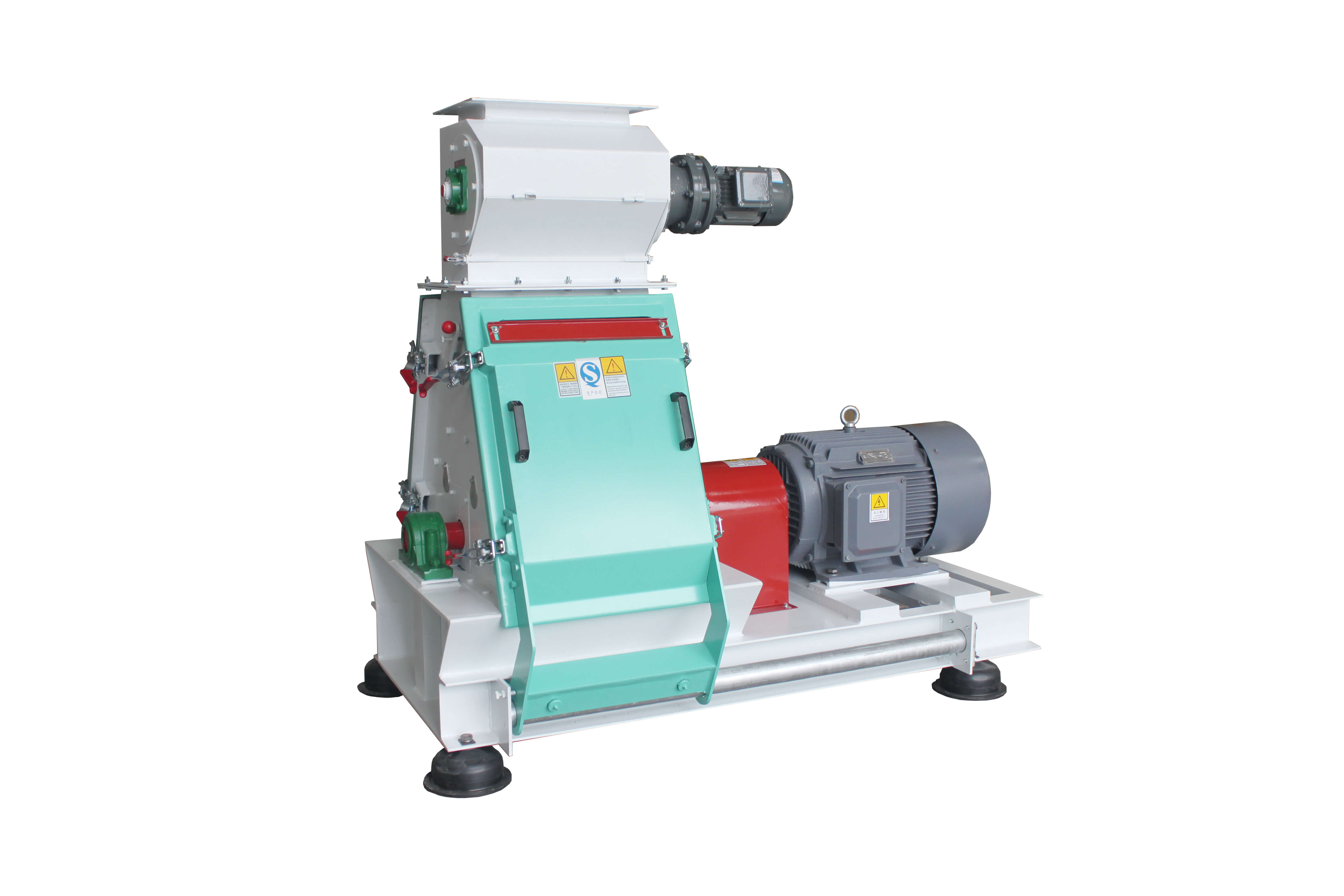
The waterdrop hammer mill is widely used in feed processing because its chamber shape supports efficient material flow and stable grinding. Jiangsu Huamu’s hammer mill adopts a waterdrop-shaped grinding chamber and a “mountain-shaped” secondary impact structure. According to the company’s product information, this design helps increase output by approximately 25% compared with conventional designs. The same machine can be used for coarse grinding, fine grinding, and micro-fine grinding, making it a versatile choice for different feed formulas and raw materials.
This flexibility is important because feed producers rarely grind only one ingredient. Corn, wheat, soybean meal, and other grain-based materials may require different particle sizes depending on the animal species and feed type. Poultry feed, aquatic feed, and high-grade pig feed often have different grinding targets. A hammer mill that can be adjusted for multiple grinding duties reduces the need for separate machines and simplifies production planning.
The waterdrop chamber also contributes to smooth operation and reduced material accumulation. Combined with a well-designed rotor, hammer arrangement, and screen configuration, it supports consistent output and easier maintenance. For feed mills that process a wide range of formulas, this kind of hammer mill can be a practical core asset in the grinding section.
Key Selection Criteria for Grain Feed Hammer Mills
Choosing a hammer mill requires more than comparing motor power. Buyers should evaluate the machine against the actual production profile: raw materials, target particle size, required capacity, operating hours, and the degree of automation in the feed mill. The table below summarizes the main selection points that a serious grain feed hammer mill manufacturer should be able to discuss with the buyer.
| Selection Factor | What to Check | Why It Matters |
|---|---|---|
| Grinding chamber design | Waterdrop-shaped chamber, secondary impact structure, screen area | Affects material flow, grinding efficiency, and particle size consistency |
| Capacity match | Required tons per hour, continuous or batch operation, future expansion | Prevents bottlenecks and avoids excessive energy consumption |
| Grinding flexibility | Coarse, fine, and micro-fine grinding capability | Supports multiple feed formulas and animal species |
| Material and moisture tolerance | Grain types, moisture level, oil or molasses content | Reduces blockage risk and maintains stable output |
| Maintenance access | Hammer replacement, screen change, inspection doors, safety interlocks | Shortens downtime and improves operator safety |
| Line integration | Feeding method, aspiration, conveying, automation, dust control | Ensures smooth operation with mixers, pellet mills, and coolers |
For buyers who plan to produce several feed types, it is also useful to discuss screen selection and hammer configuration with the manufacturer. Different screen openings produce different particle size distributions. A feed producer making poultry feed may need a different grind than a producer making aquatic feed or premix material. The right grain feed hammer mill manufacturer should be able to recommend a practical configuration based on the actual formula and target animal performance, not simply supply a standard model.
Applications of Grain Feed Hammer Mills Across Feed and Industrial Sectors
Grain feed hammer mills are used in a wide range of feed production environments. In poultry feed production, they prepare corn and other grains for mixing with protein meals, minerals, and additives. In swine feed production, grinding fineness can be adjusted to support digestion and pellet quality. In ruminant feed production, hammer mills can process grain and other ingredients for compound feed and supplemental feed formulations.
Aquatic feed production places particular demands on grinding. Fish and shrimp feed often requires fine or micro-fine grinding to support water stability, digestibility, and pellet quality. A hammer mill with flexible screen and hammer configurations can help aquatic feed producers achieve the required particle size while maintaining practical output. Jiangsu Huamu’s product range includes complete units for aquatic product material, which allows the company to consider grinding as part of an integrated aquatic feed production line.
Beyond feed mills, hammer mills are also used in industrial material processing. The company’s product information mentions applications in alcohol plants and citric acid plants for raw material grinding. In these environments, the requirements may differ from animal feed production, but the basic principles remain the same: stable feeding, effective impact grinding, reliable screening, and safe operation. A supplier with experience in both feed and industrial grinding applications can often provide more practical advice on machine configuration and wear protection.
Customization and Complete Feed Production Line Integration
Every feed project has its own layout, capacity target, raw material profile, and automation level. For this reason, customization is an important part of working with a grain feed hammer mill manufacturer. Jiangsu Huamu provides customized feed machinery and complete feed production line solutions. The company can design and manufacture projects from 1 to 30 T/H, covering powder material, premix material, pellet material, and special aquatic product material.
For a new feed mill, the hammer mill should be selected together with the mixer, pellet mill, cooler, and conveying system. The grinding capacity should match the mixing cycle and the pelleting capacity so that the line does not create unnecessary buffer inventory or waiting time. For an existing plant, a custom grain feed hammer mill can be used to relieve a grinding bottleneck, replace an aging machine, or support a new product line. In some cases, the most effective solution is not simply a larger hammer mill but a rebalanced grinding section with improved feeding, aspiration, and screen management.
Jiangsu Huamu’s product range also includes double-shaft mixers, ring die pellet machines, coolers, crushers, extruders, dryers, finished product packaging machines, elevators, conveyors, and dust collectors. This broad equipment capability supports turnkey project delivery and helps ensure that the hammer mill is properly integrated with the rest of the feed production system. The company is ISO9001 certified, was recognized as a specialized and sophisticated small and medium-sized enterprise in Jiangsu Province in 2024, and its products are exported to more than 50 countries and regions. These factors are relevant for international buyers who need a supplier with both manufacturing capability and project experience.
Operation and Maintenance Tips for Feed Hammer Mills
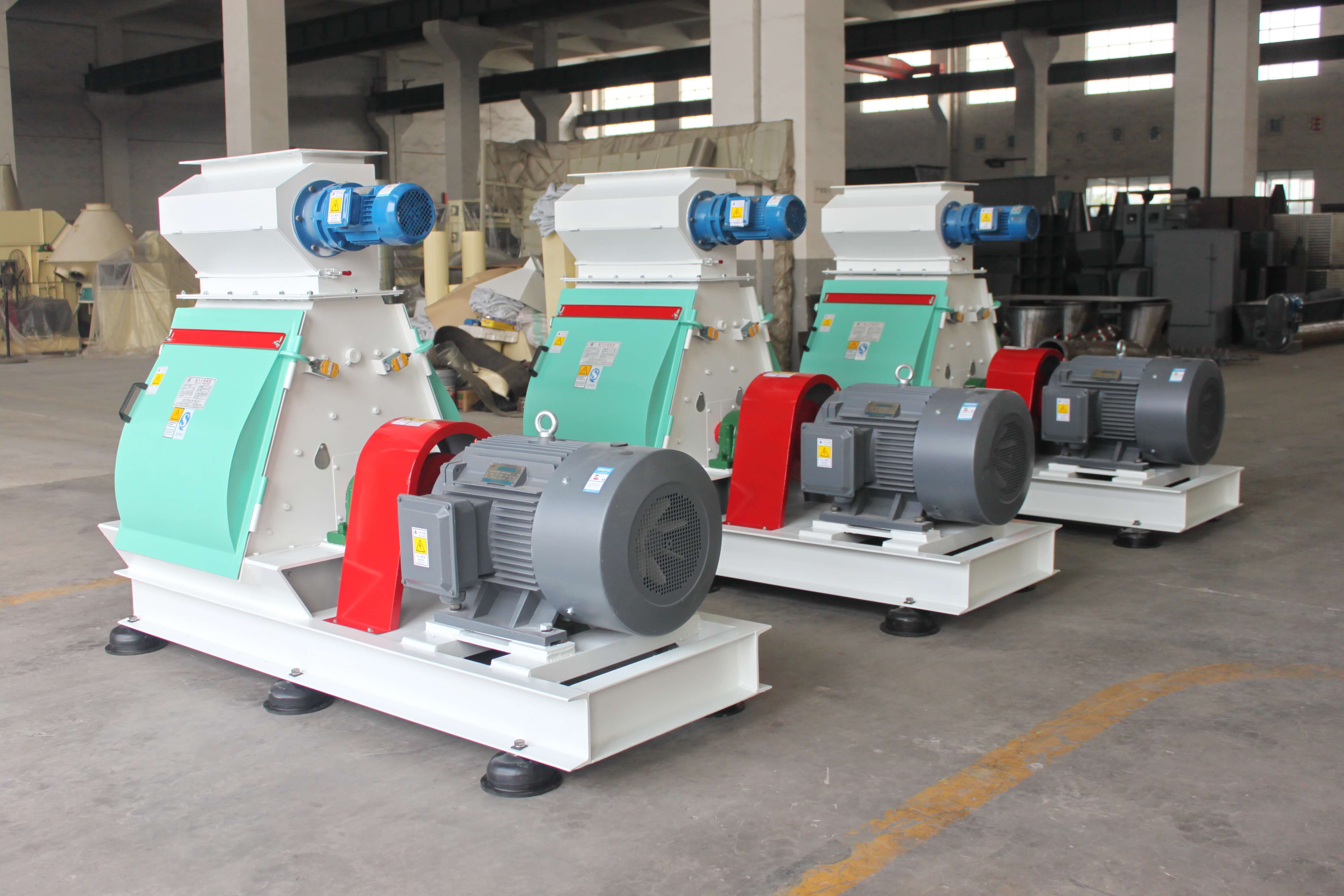
Even a well-selected hammer mill needs proper operation and maintenance to deliver consistent performance. Feed producers should establish a simple daily and periodic inspection routine. Before startup, check that the grinding chamber is clean, the hammers are correctly installed, the screen is undamaged, and the feeding system is set to the correct rate. After shutdown, allow the machine to run empty for a short period to clear residual material, then follow the manufacturer’s cleaning and inspection instructions.
Hammer wear is a normal part of operation. When the hammer edges become rounded or the grinding capacity drops noticeably, the hammers should be inspected and replaced or reversed according to the manufacturer’s guidance. Screen condition should also be checked regularly. A worn or damaged screen can cause uneven particle size, reduced output, or contamination of the ground material. Maintaining a small inventory of commonly used wear parts can reduce downtime and help keep the feed mill on schedule.
Feeding consistency is another critical factor. Overfeeding can overload the hammer mill and cause blockage, while underfeeding reduces efficiency and increases specific energy consumption. The feeding system should be adjusted to match the motor load and the material characteristics. For materials with higher moisture or oil content, producers should discuss operating parameters with the supplier to avoid repeated blockages and excessive heat buildup.
How to Evaluate a Grain Feed Hammer Mill Supplier
When comparing grain feed grinder suppliers, buyers should look beyond the initial quotation. A reliable supplier should be able to explain the machine configuration, recommend suitable screens and hammers, provide a clear scope of supply, and support installation and commissioning. For international projects, documentation, spare parts availability, and communication during installation are also important.
Jiangsu Huamu’s business includes feed machinery manufacturing, feed production line design, installation, and debugging. This combination is useful because hammer mill performance is closely related to the surrounding system. A supplier that understands the complete line can help avoid interface problems between the hammer mill, mixer, pellet mill, and conveying equipment. Buyers can also ask for a practical layout discussion, a spare parts list, and a maintenance plan as part of the technical evaluation.
For wholesale feed grinding machine buyers, consistency of manufacturing quality and after-sales support are especially important. The supplier should have a clear quality management system and a track record of serving different markets. Jiangsu Huamu’s ISO9001 certification and export experience to more than 50 countries and regions provide useful background for buyers who are assessing supplier reliability. At the same time, buyers should always confirm the final technical proposal against their own raw materials and production targets.
FAQ
What should I look for in a grain feed hammer mill manufacturer?
Look for a manufacturer that understands both hammer mill design and complete feed production line integration. The supplier should be able to discuss grinding chamber design, capacity matching, screen and hammer configuration, maintenance access, and how the hammer mill will work with your mixer and pellet mill. Experience in feed machinery manufacturing, installation, and debugging is also important. Jiangsu Huamu Machinery provides feed machinery manufacturing and complete feed production line design, installation, and debugging services, which supports a system-level selection approach.
Can a grain feed hammer mill handle both coarse and fine grinding?
Yes, many modern hammer mills can be configured for different grinding duties. Jiangsu Huamu’s waterdrop hammer mill is designed for coarse grinding, fine grinding, and micro-fine grinding. By selecting different screens and adjusting operating parameters, feed producers can use one machine for multiple feed formulas and raw materials, including poultry feed, aquatic feed, and other compound feed products.
What capacity range can Jiangsu Huamu Machinery provide for feed production lines?
Jiangsu Huamu can design and manufacture 1–30 T/H feed production projects. These projects can cover powder material, premix material, pellet material, and special aquatic product material. The appropriate hammer mill capacity depends on the required output, raw material characteristics, target particle size, and the overall line configuration. Buyers should share their production plan with the manufacturer so that the grinding section can be matched to the rest of the line.
How often should a feed hammer mill be maintained?
Maintenance frequency depends on operating hours, raw material abrasiveness, and production intensity. A practical approach is to inspect the grinding chamber, hammers, screen, and feeding system daily, and to check wear parts more thoroughly at regular intervals. Hammers should be replaced or reversed when grinding efficiency drops or wear becomes significant. Screens should be replaced when damaged or worn. Following the manufacturer’s maintenance recommendations helps maintain stable output and reduce unplanned downtime.
Can a hammer mill be customized for aquatic feed or high-fat ingredients?
Customization is possible when the manufacturer understands the application. Aquatic feed often requires finer grinding and consistent particle size, while high-fat or high-moisture ingredients may require special attention to feeding, aspiration, and blockage prevention. Jiangsu Huamu provides customized feed machinery and complete production line solutions, and its product range includes special aquatic product material projects. Buyers should provide detailed raw material and formula information so that the hammer mill, screen, and feeding system can be configured appropriately.
What is the difference between a waterdrop hammer mill and a standard hammer mill?
A waterdrop hammer mill uses a waterdrop-shaped grinding chamber and, in Jiangsu Huamu’s design, a “mountain-shaped” secondary impact structure. This design is intended to improve material flow and grinding efficiency. According to the company’s product information, the waterdrop hammer mill can increase output by approximately 25% compared with conventional designs. It also supports coarse, fine, and micro-fine grinding, making it suitable for a wide range of feed and industrial grinding applications.
Summary
Selecting a grain feed hammer mill manufacturer is a technical decision that affects grinding efficiency, feed quality, and the overall productivity of a feed mill. Buyers should evaluate the hammer mill as part of the complete feed production line, considering capacity, raw materials, target particle size, maintenance, and integration with mixing and pelleting equipment. A waterdrop hammer mill with flexible grinding capability can support poultry feed, aquatic feed, and other feed formulations, while a customized solution can help existing plants remove bottlenecks and improve workflow.
Jiangsu Huamu Machinery Co., Ltd. is a feed machinery manufacturer based in Wuxi, Jiangsu Province, China. The company specializes in feed machinery manufacturing, feed production line design, installation, and debugging, and can provide 1–30 T/H complete projects for powder, premix, pellet, and special aquatic product materials. For international buyers seeking a grain feed grinder supplier, custom grain feed hammer mill, or wholesale feed grinding machine, Jiangsu Huamu offers a combination of equipment manufacturing, project integration, and export experience. A detailed technical discussion based on actual production requirements remains the best way to choose the right hammer mill and build an efficient feed production line.